

Indian festivals
India is known for its rich cultural heritage and diverse religious traditions, which are reflected in the many festivals celebrated throughout the year. Some of the most important festivals in India include:
Diwali, also known as the "festival of lights," is a Hindu festival. Diwali is a Hindu, Jains, and Sikh festival that commemorates the triumph of light over darkness and good over evil. It is observed in October or November and is marked by the lighting of diyas (clay lamps), the exchange of sweets and gifts, and the lighting of fireworks.

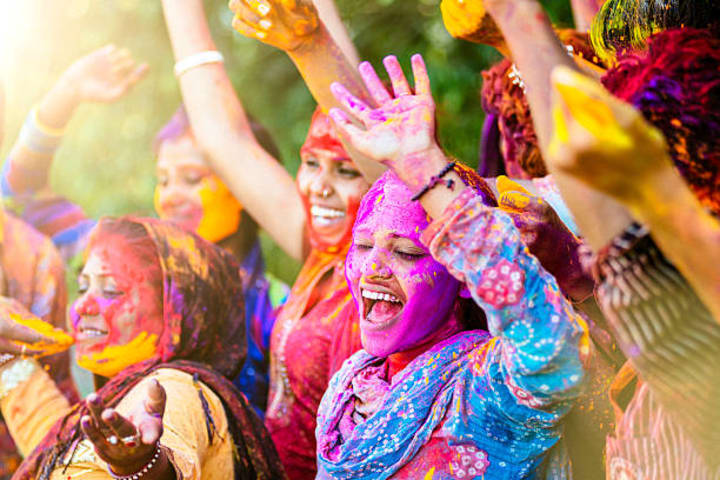
Holi: Also known as the "colour festival," Hindus celebrate Holi to celebrate the arrival of spring and the triumph of good over evil. It is celebrated in March with the throwing of coloured powder and water, as well as bonfires, singing, and dancing.
Dussehra: Also known as Vijayadashami, Dussehra is a Hindu festival that commemorates Lord Rama's victory over the demon king Ravana. It is observed in October and is marked by the burning of Ravana effigies, religious rituals, and the recitation of the Ramayana.
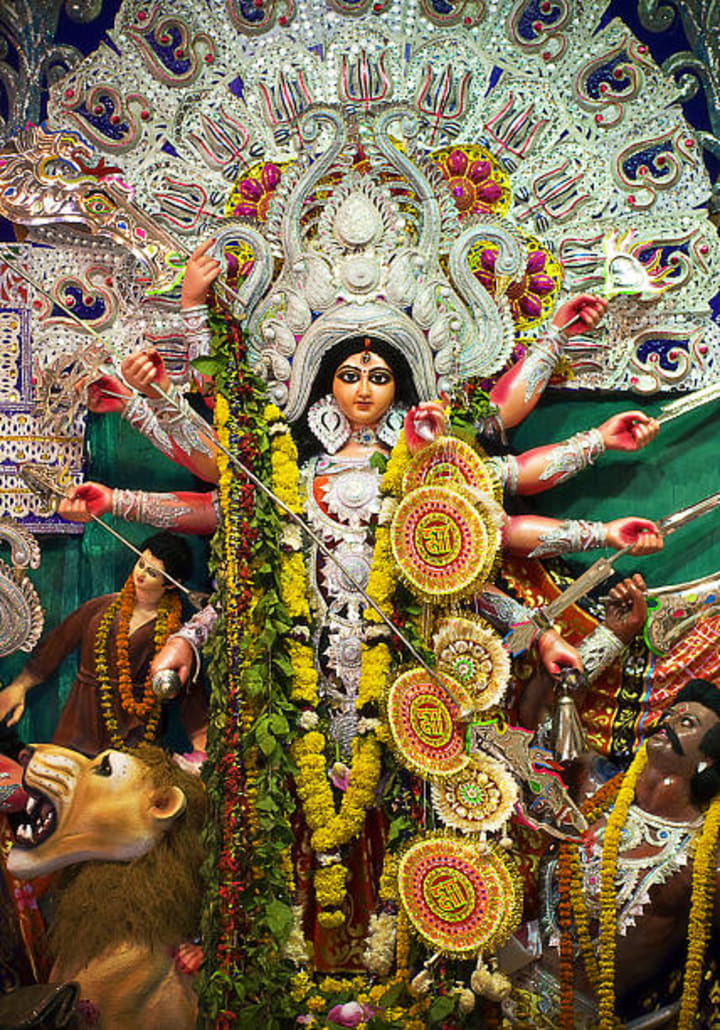
Navaratri is a Hindu festival that lasts nine nights and ten days and is devoted to the worship of the goddess Durga. Fasting, prayer, and the performance of traditional dances such as Garba and Dandiya are all part of the celebration, which takes place in September or October.
Ganesha Chaturthi is a Hindu festival commemorating Lord Ganesha's birth as the elephant-headed god of wisdom and prosperity. The festival usually takes place in August or September and lasts ten days. Large statues of Lord Ganesha are paraded through the streets on the last day before being immersed in bodies of water. The festival is especially popular in the Indian state of Maharashtra, but it is also celebrated by the Indian diaspora worldwide.
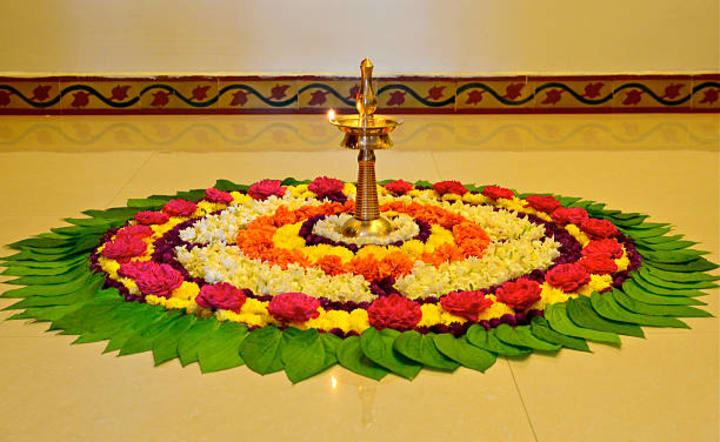
Onam is a major harvest festival celebrated by the people of Kerala, India, every year. It is a ten-day festival held during the months of August and September to commemorate the legendary King Mahabali's return. Traditional customs, colourful floral decorations, boat races, cultural performances, and a grand feast called Onasadya are all part of the festival. People dress in traditional attire and take part in cultural activities such as the snake boat race, Kathakali, Onathallu, and Onavillu. The festival is celebrated by people of all religions and is known as Kerala's state festival.
Maha Shivratri, also known as "The Great Night of Lord Shiva," is an annual Hindu festival held in honour of Lord Shiva, one of Hinduism's most important deities. The festival is held on the new moon day of the Hindu month of Phalguna, which falls in February or March each year. Devotees keep vigil, fast, and pray to Lord Shiva on this night. People also go to temples to offer the lord Bael leaves, milk, honey, fruits, and flowers. Rudra Abhishek is another ritual in which Lord Shiva is bathed with milk, honey, curd, and other offerings. On this day, Lord Shiva is also said to have performed the Tandava dance, the dance of cosmic destruction.
Krishna Janmashtami, also known as Janmashtami or Gokulashtami, is a Hindu festival commemorating Lord Krishna's birth. It is celebrated on the eighth day (Ashtami) of the Krishna Paksha (dark fortnight) of the Hindu month of Bhadrapada, which is usually in August or September. The festival is widely celebrated in India, particularly in Mathura and Vrindavan, where Lord Krishna is said to have spent his childhood.
Devotees fast, sing devotional songs, dance, and reenact scenes from Lord Krishna's life on this day. Temples are decorated and illuminated, and Lord Krishna receives special prayers and puja. Some people also prepare and offer Lord Krishna special foods such as butter, curd, and sweets. The day concludes with the Dahi Handi ceremony, in which participants form human pyramids to reach and break an earthen pot filled with butter and other sweets, symbolising Lord Krishna's fondness for butter.

Rama Navami is a Hindu festival commemorating the birth of Lord Rama, one of Lord Vishnu's most revered incarnations. It is celebrated on the ninth day (Navami) of the Shukla Paksha (bright fortnight) of the Hindu month of Chaitra, which is usually in March or April.
Devotees fast on this day and offer special puja and prayers to Lord Rama. Flowers are placed in temples, and devotional songs are sung in honour of Lord Rama. Many devotees take part in processions and parades, carrying Lord Rama's idols and praying. People also read the Ramayana, a Hindu epic that recounts Lord Rama's life and defeat of the demon king, Ravana. It is also believed that Lord Rama married Sita on this day, and the festival is also celebrated as Rama and Sita's wedding anniversary.
About the Creator
Keep reading
More stories from Kalaiselvi Geetha. M and writers in Families and other communities.
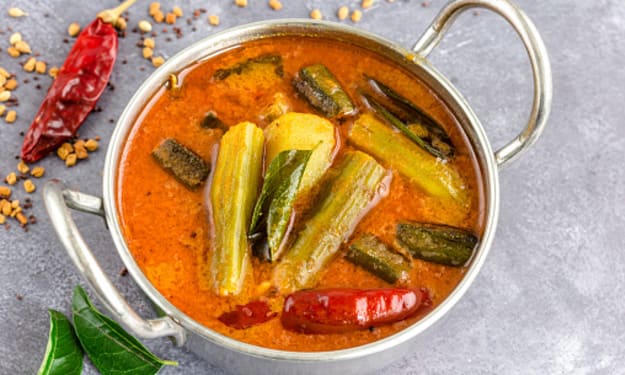
Delicious South Indian Sambar Recipe
Sambar is a classic dish that is incredibly simple to prepare. This traditional dish is bursting with flavour, thanks to the abundance of vegetables, spices, and herbs. Not to mention that it is nutritious, high in protein and keeps us full for longer.
By Kalaiselvi Geetha. M3 years ago in Feast
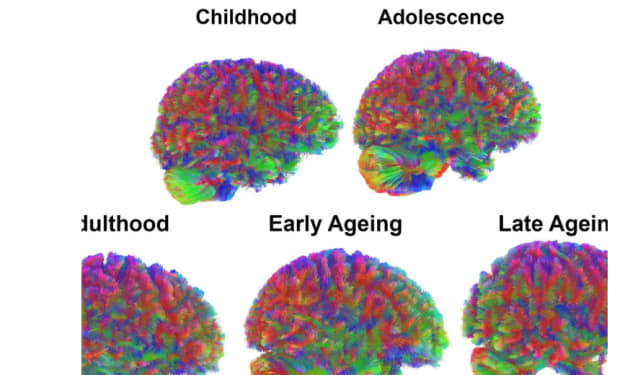
The "most crucial" ages for human brain growth, maturity, intelligence, and general ability are four.
From the time of our birth until the very end of our lives, our brains undergo gradual changes. These shifts influence how we learn, think, remember, and react to the world. They might be gradual at times or abrupt at others.
By Francis Dami2 days ago in Families
Dan
Dan was six years old and had three sisters (one older) when Mum became pregnant with her fifth child. She and Dad didn't know if they were having a boy or a girl each time, so they gave each baby a nickname, such as Bartholomew or another unlikely name. When they got to number five, they decided they were done, so they went with "Quits."
By Mack D. Ames3 days ago in Families


Comments
There are no comments for this story
Be the first to respond and start the conversation.