
Exploring the Health Benefits of Juicing
How Beneficial Is It for Your Well-being?
Introduction
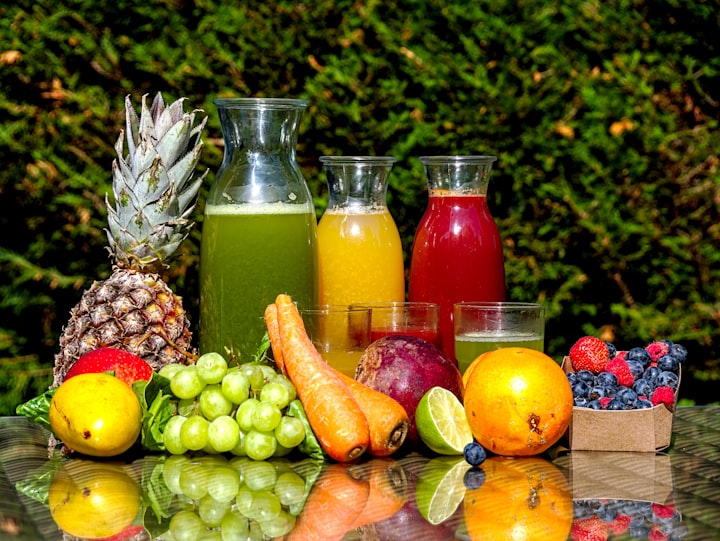
Juicing has gained popularity in recent years as a way to enhance nutrient intake and promote overall health. Advocates of juicing claim that it provides a convenient and efficient means to consume an abundance of fruits and vegetables. However, it is important to critically examine the potential benefits and drawbacks of juicing before embracing it as a regular dietary practice. In this article, we delve into the world of juicing and explore its impact on health, addressing both the positive aspects and potential considerations.
Understanding Juicing
Juicing involves extracting the liquid portion from fruits and vegetables, leaving behind the fibrous pulp. This process concentrates the vitamins, minerals, and antioxidants present in the produce, creating a nutrient-dense beverage. Proponents argue that juicing enables easy absorption of these vital nutrients, while others contend that the removal of fiber may have implications for overall health.
Nutrient Boost and Hydration
One of the key advantages of juicing is the potential to increase your intake of essential nutrients. Fruits and vegetables are rich sources of vitamins, minerals, and antioxidants that contribute to various aspects of health. Juicing allows you to consume a greater variety of produce in a single serving, providing a concentrated dose of these nutrients.
Additionally, juicing can aid in hydration. Many fruits and vegetables have high water content, making freshly extracted juices a refreshing and hydrating option. Staying adequately hydrated is crucial for overall well-being and supports various bodily functions.
Antioxidant and Phytonutrient Intake
Fruits and vegetables are renowned for their antioxidant and phytonutrient content, which play a vital role in promoting health and protecting against chronic diseases. Juicing allows for the extraction of these compounds, providing a concentrated source of antioxidants and phytonutrients. These compounds help combat oxidative stress, reduce inflammation, and support immune function.
Digestive Rest and Nutrient Absorption
Juicing proponents argue that by removing the fiber during the juicing process, the digestive system gets a break, enabling nutrients to be absorbed more easily. Some suggest that this may be beneficial for individuals with compromised digestion or those seeking to optimize nutrient absorption. However, it is worth noting that fiber is an important component of a healthy diet and plays a role in maintaining digestive health, regulating blood sugar levels, and promoting satiety.
Considerations and Drawbacks
While juicing offers potential benefits, it is important to consider certain drawbacks and limitations. Here are some key considerations:
Loss of fiber: Juicing removes the fibrous component of fruits and vegetables, which is a valuable part of a balanced diet. Fiber aids digestion, promotes satiety, and helps regulate blood sugar levels. Consuming whole fruits and vegetables ensures adequate fiber intake, while juicing should be seen as a supplement rather than a replacement.
High sugar content: Some fruits, when juiced, can result in a concentrated source of natural sugars. While they are accompanied by vitamins and minerals, excessive sugar intake can be a concern, particularly for individuals with diabetes or those watching their carbohydrate intake. It is important to balance the fruit-to-vegetable ratio in juices and be mindful of overall sugar consumption.
Nutrient loss: Exposure to air, heat, and light during the juicing process can result in nutrient degradation. To minimize nutrient loss, it is best to consume freshly prepared juices immediately or store them in airtight containers in the refrigerator for short periods.
Caloric intake: Juices can be calorically dense, especially if they contain a large amount of fruit or additional additives like honey or syrups. It is essential to consider portion sizes and overall caloric balance to avoid excessive calorie intake.
Conclusion
Juicing can be a convenient and effective way to enhance nutrient intake and promote hydration. It offers a concentrated source of vitamins, minerals, and antioxidants. However, it is important to be aware of the potential drawbacks, such as the loss of fiber and the risk of consuming excessive sugar or calories. Juicing should be seen as a supplement to a well-rounded diet that includes a variety of whole fruits and vegetables. Consulting with a healthcare professional or registered dietitian can provide personalized guidance and ensure juicing is integrated appropriately into a balanced lifestyle. As with any dietary approach, moderation, variety, and individual considerations are key to achieving optimal health and well-being.
About the Creator
Keep reading
More stories from jonathan manuel and writers in Families and other communities.
Protein and Exercise
Introduction As we age, maintaining optimal health becomes increasingly important. Both nutrition and exercise play crucial roles in promoting healthy aging. In recent years, the relationship between protein intake and exercise has garnered significant attention. Researchers have been exploring how protein consumption, coupled with regular exercise, can potentially unlock the secrets of healthy aging. In this article, we delve into the importance of protein and exercise for aging individuals, examining the mechanisms behind their effects and the scientific evidence supporting their role in promoting overall health.
By jonathan manuel3 years ago in Families
Wise~Guys
— Look Behind what's in Front of You ~ Make Good Choices — Hey, So how you Doin'..! Made~Men — Mobster Movies romanticise a distinctive, elegant appearance, impeccable attire style, along with the 'Families' expressive lingo. Making their 'Bones' gave them Panache — with vintage fedoras, tailored pin-striped suits, mirror-polished wing-tip shoes adorned with tassels; with their 'Gun Moll' gorgeous dates on their arms.
By Jay Kantor22 days ago in Families
Men who eat nuts tend to have better quality sperm
Peak Potency: How a Daily Nut Habit Elevates Male Sperm Quality Male fertility rates have dropped in recent years. Many couples struggle to conceive, and men often overlook their role in this challenge. Your diet can make a big difference here. Nuts stand out as a simple fix. They pack antioxidants and healthy fats that support better sperm quality. Think of them as fuel for your reproductive system. Studies show men who eat nuts regularly see real gains in sperm health. If you're planning a family or just want peak vitality, adding nuts could be your smart move.
By Story silver book 6 days ago in Families
Autonomy Is The Real Privilege
Good morning, freedom-seekers! Today we’re gonna be looking at autonomy. A strange word, I know; one many would probably look at blankly and run away from on sight. We’re gonna figure out what it actually means, consider how it’s achieved, and decipher just how deeply most of us are tangled up in dependence without realising it.
By That ‘Freedom’ Guy3 days ago in Humans



Comments
There are no comments for this story
Be the first to respond and start the conversation.