
Protein and Exercise
Unlocking the Secrets of Healthy Aging

Introduction
As we age, maintaining optimal health becomes increasingly important. Both nutrition and exercise play crucial roles in promoting healthy aging. In recent years, the relationship between protein intake and exercise has garnered significant attention. Researchers have been exploring how protein consumption, coupled with regular exercise, can potentially unlock the secrets of healthy aging. In this article, we delve into the importance of protein and exercise for aging individuals, examining the mechanisms behind their effects and the scientific evidence supporting their role in promoting overall health.
Understanding Protein and Exercise
Protein is an essential macronutrient that plays a fundamental role in maintaining and repairing tissues, supporting immune function, and producing enzymes and hormones. Adequate protein intake is particularly important for aging individuals to prevent muscle loss, a common issue known as sarcopenia. Exercise, on the other hand, offers a multitude of benefits, including improved cardiovascular health, enhanced cognitive function, and increased muscle strength. Combining the power of protein and exercise holds tremendous potential for healthy aging.
Muscle Health and Protein
Muscles are the metabolic powerhouses of our bodies, and maintaining muscle mass is critical for healthy aging. Age-related muscle loss, or sarcopenia, can lead to reduced strength, mobility, and independence. Protein plays a vital role in mitigating sarcopenia by stimulating muscle protein synthesis and optimizing muscle repair and growth. Adequate protein intake, spread evenly throughout the day, is essential to support these processes.
Recommended Protein Intake and Sources
The Recommended Daily Allowance (RDA) for protein intake is generally set at 0.8 grams of protein per kilogram of body weight. However, recent research suggests that aging individuals may benefit from higher protein intake to support muscle health. The International Society of Sports Nutrition (ISSN) recommends a range of 1.6 to 2.2 grams of protein per kilogram of body weight for older adults engaged in regular exercise.
Quality protein sources include lean meats, poultry, fish, dairy products, eggs, legumes, and plant-based protein options like tofu, tempeh, and quinoa. Combining different protein sources can ensure a well-rounded amino acid profile, which is important for muscle protein synthesis.
Exercise for Healthy Aging
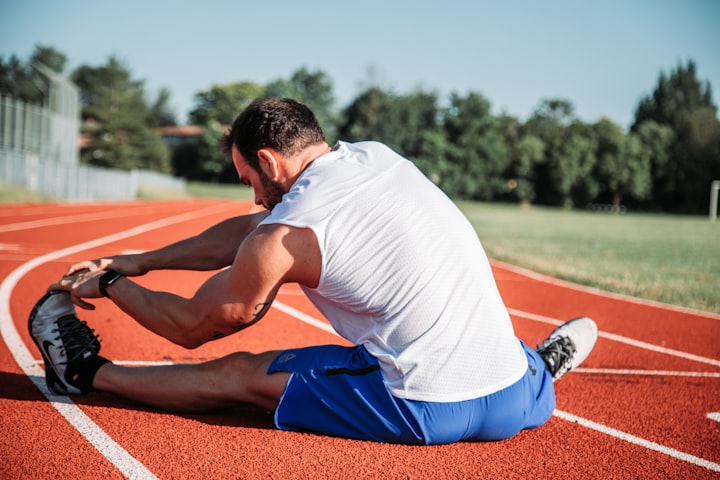
Exercise is a powerful tool for promoting healthy aging. Resistance training, in particular, helps to build and maintain muscle mass, improve bone density, and enhance overall physical function. It also stimulates muscle protein synthesis, making it an ideal complement to a protein-rich diet. Strength training exercises, such as lifting weights or using resistance bands, should be performed two to three times per week, targeting major muscle groups.
Aerobic exercises, such as brisk walking, cycling, or swimming, contribute to cardiovascular health, weight management, and overall well-being. Aim for at least 150 minutes of moderate-intensity aerobic activity per week.
Scientific Evidence and Studies
Numerous studies have examined the combined effects of protein intake and exercise on healthy aging. For example, a study published in the American Journal of Clinical Nutrition found that older adults who consumed higher protein diets, combined with resistance exercise, experienced greater muscle strength and functionality compared to those with lower protein intake.
Another study published in the Journal of Nutrition, Health & Aging revealed that a combination of protein supplementation and resistance exercise improved muscle mass, strength, and physical performance in older adults.
Conclusion
Protein and exercise are essential components for healthy aging. Adequate protein intake, tailored to individual needs, supports muscle health and helps prevent age-related muscle loss. Combined with regular exercise,
About the Creator
Keep reading
More stories from jonathan manuel and writers in Families and other communities.
5 Life-Changing Tips to Stay Healthy and Fit
Introduction Maintaining good health and fitness is essential for leading a fulfilling and productive life. Incorporating healthy habits into our daily routine can have a transformative impact on our overall well-being. In this article, we will explore five life-changing tips that can help you stay healthy and fit. By following these tips, you can improve your physical and mental health, boost your energy levels, and enhance your quality of life.
By jonathan manuel3 years ago in Families
Wise~Guys
— Look Behind what's in Front of You ~ Make Good Choices — Hey, So how you Doin'..! Made~Men — Mobster Movies romanticise a distinctive, elegant appearance, impeccable attire style, along with the 'Families' expressive lingo. Making their 'Bones' gave them Panache — with vintage fedoras, tailored pin-striped suits, mirror-polished wing-tip shoes adorned with tassels; with their 'Gun Moll' gorgeous dates on their arms.
By Jay Kantor22 days ago in Families
Men who eat nuts tend to have better quality sperm
Peak Potency: How a Daily Nut Habit Elevates Male Sperm Quality Male fertility rates have dropped in recent years. Many couples struggle to conceive, and men often overlook their role in this challenge. Your diet can make a big difference here. Nuts stand out as a simple fix. They pack antioxidants and healthy fats that support better sperm quality. Think of them as fuel for your reproductive system. Studies show men who eat nuts regularly see real gains in sperm health. If you're planning a family or just want peak vitality, adding nuts could be your smart move.
By Story silver book 5 days ago in Families
Autonomy Is The Real Privilege
Good morning, freedom-seekers! Today we’re gonna be looking at autonomy. A strange word, I know; one many would probably look at blankly and run away from on sight. We’re gonna figure out what it actually means, consider how it’s achieved, and decipher just how deeply most of us are tangled up in dependence without realising it.
By That ‘Freedom’ Guy2 days ago in Humans


Comments
There are no comments for this story
Be the first to respond and start the conversation.