
Effects of a Parental Death on Younger Children
Effects of a Parental Death on Younger Children

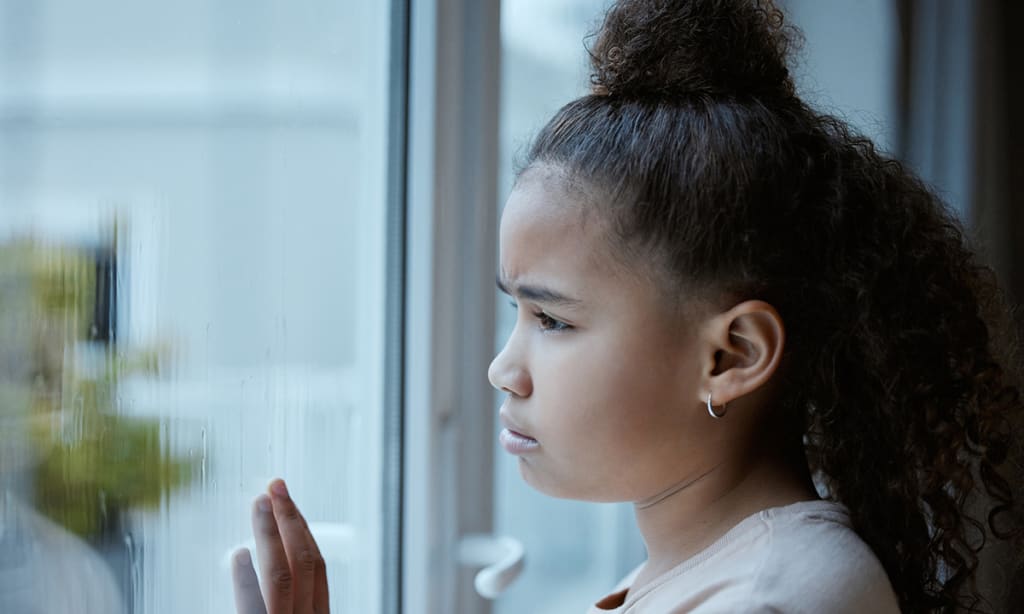
Losing a parent is an emotionally devastating experience for anyone, but its impact on younger children can be particularly profound. The effects of parental death on children encompass various aspects of their lives, from emotional well-being to academic performance and social development. This article explores the profound effects that the death of a parent can have on younger children and offers insights into supporting them through this challenging time.
- Understanding the Emotional Impact
When a child loses a parent, they often experience a wide range of intense emotions. They may feel overwhelming sadness, confusion, anger, and even guilt. The emotional impact can vary depending on the child's age, personality, and the circumstances surrounding the parent's death. It is essential to acknowledge and validate these emotions, providing a safe space for children to express themselves.
- Behavioral Changes
The death of a parent can lead to significant behavioral changes in younger children. They may exhibit symptoms of distress, such as increased irritability, aggression, or withdrawal from social activities. Sleep disturbances, changes in appetite, and regression in previously acquired skills are also common. These behavioral changes are the child's way of expressing their grief and should be approached with patience, understanding, and support.
- Academic Performance and Social Development
The loss of a parent can have a substantial impact on a child's academic performance and social development. Younger children may struggle to concentrate in school, experience a decline in their grades, or display a lack of interest in activities they once enjoyed. Additionally, they may find it challenging to form and maintain relationships with peers, impacting their social interactions and overall development.
- Coping Mechanisms
Children employ various coping mechanisms to deal with the loss of a parent. They might engage in imaginative play, create drawings or stories that express their emotions, or seek comfort from trusted adults. Encouraging healthy coping mechanisms and providing outlets for expression can help children process their grief in a constructive manner.
- Grief and Loss
Children experience grief differently from adults, and their understanding of death evolves as they grow. It is crucial to provide age-appropriate explanations about death and offer reassurance that their feelings are valid. Allowing children to participate in rituals, such as funerals or memorial services, can also aid in the grieving process and foster a sense of closure.
- Psychological Support for Children
Professional psychological support can be instrumental in helping children navigate the complex emotions associated with parental loss. Child therapists and counselors trained in grief counseling can provide a safe space for children to explore their feelings, develop coping strategies, and work through their grief. Regular sessions can provide ongoing support during the healing process.
- Creating a Supportive Environment
Creating a supportive environment is essential for children dealing with parental loss. This includes maintaining regular routines, ensuring a stable and nurturing home environment, and fostering open communication. Consistency, predictability, and reassurance help children feel safe and secure during this challenging time.
- Building Resilience
Supporting children in building resilience is crucial for their long-term well-being. Resilience allows them to adapt to adversity, navigate challenges, and thrive despite their loss. Encouraging healthy habits, promoting positive self-esteem, and providing opportunities for emotional expression and growth are essential elements in helping children develop resilience.
- Communicating about Death
Communication plays a pivotal role in helping children understand and process the concept of death. It is important to use age-appropriate language and provide clear, honest explanations. Answering their questions truthfully while considering their developmental level can help alleviate confusion and anxiety.
- The Role of Family and Community
Family and community support are vital for children who have lost a parent. Relatives, friends, and neighbors can provide a network of emotional support, stability, and guidance. Involving trusted individuals in the child's life can help alleviate the burden and create a nurturing environment where the child feels loved and understood.
- Professional Intervention and Counseling
In some cases, professional intervention and counseling may be necessary to address complex grief and emotional challenges. Trained professionals can assess the child's needs and develop personalized strategies to support their healing. Individual therapy, group therapy, and support groups for bereaved children can offer additional resources and guidance.
- Long-Term Effects
The effects of parental death on younger children can have long-term implications. Some children may experience ongoing emotional difficulties, such as depression, anxiety, or unresolved grief. These effects can impact their relationships, educational pursuits, and overall well-being well into adulthood. Recognizing and addressing these long-term effects is crucial for promoting healthy development.
- Helping Children Heal
Healing from the loss of a parent is a complex and individual process. Providing consistent love, support, and understanding is paramount. Encouraging healthy coping mechanisms, maintaining open lines of communication, and seeking professional help when needed can all contribute to a child's healing journey.
Conclusion
The effects of a parental death on younger children are profound and multifaceted. It is crucial for parents, caregivers, and communities to offer understanding, empathy, and support during this challenging time. By creating a nurturing environment, promoting healthy coping mechanisms, and seeking professional intervention when necessary, we can help children navigate their grief and foster their resilience.
About the Creator
Wise~Guys
— Look Behind what's in Front of You ~ Make Good Choices — Hey, So how you Doin'..! Made~Men — Mobster Movies romanticise a distinctive, elegant appearance, impeccable attire style, along with the 'Families' expressive lingo. Making their 'Bones' gave them Panache — with vintage fedoras, tailored pin-striped suits, mirror-polished wing-tip shoes adorned with tassels; with their 'Gun Moll' gorgeous dates on their arms.
By Jay Kantor18 days ago in Families
Silver Screen Magic with Mae West
American actress and singer Mae West became a popular film actress during the Great Depression. She started entertaining in vaudeville, then performed on Broadway, and finally went to Hollywood. She signed up with Paramount Pictures and made her debut in the 1932 film “Night After Night.” She also starred in musicals, comedies, and crime dramas. The American Film Institute named her one of the best classic Hollywood actresses.
By Rasma Raisters5 days ago in Geeks




Comments
There are no comments for this story
Be the first to respond and start the conversation.