
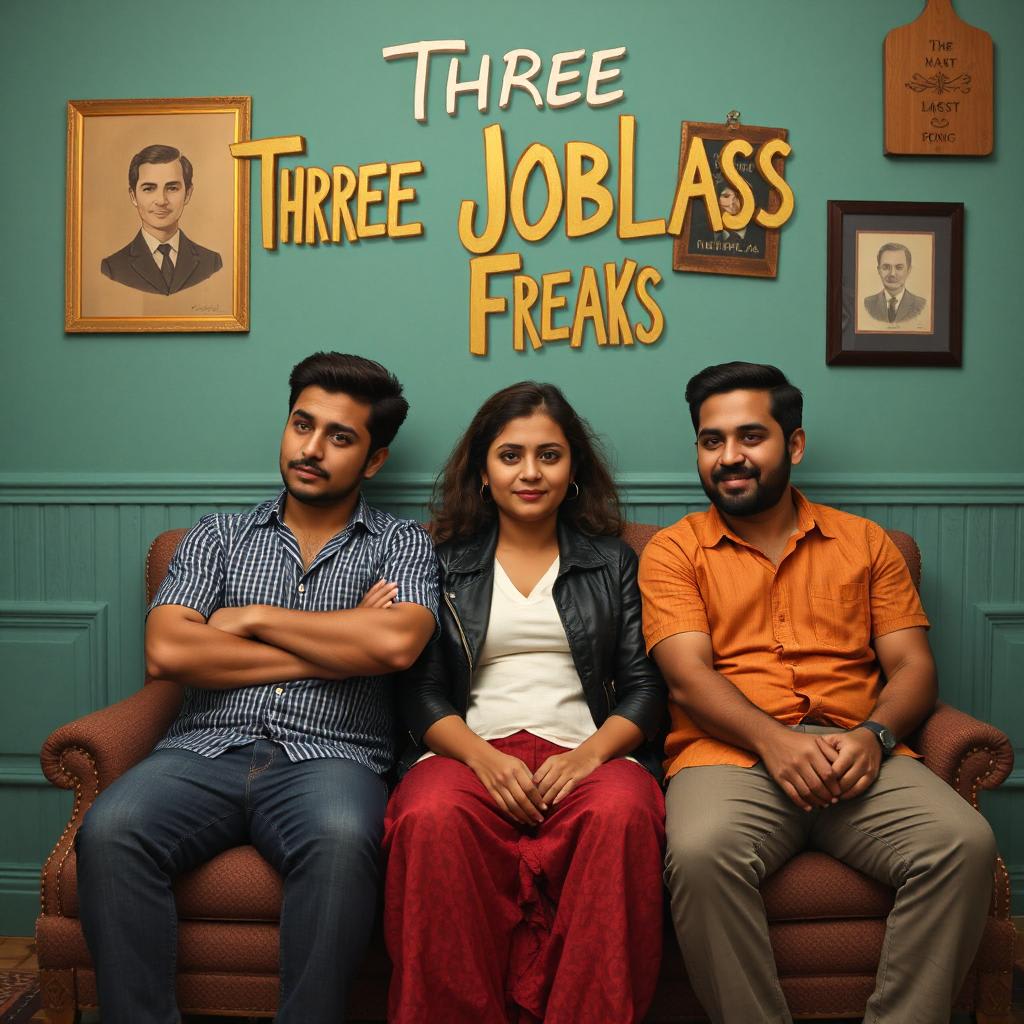
The alarm buzzed at 9:00 AM, but none of the three stirred immediately. It was always the same—Armaan would eventually drag himself off the mattress on the floor, Ayaan would mutter something unintelligible from the couch, and Zeeshan, curled up on a bean bag, would pretend he was still asleep.
They weren’t lazy. Not really. Just... stuck.
A year ago, they had graduated together—three boys from small towns who had big-city dreams. They had promised each other they'd take on the world. Armaan, a theater actor with passion in every pore. Ayaan, a coder who used to build apps like puzzles. And Zeeshan, a writer who had a gift for weaving magic into words.
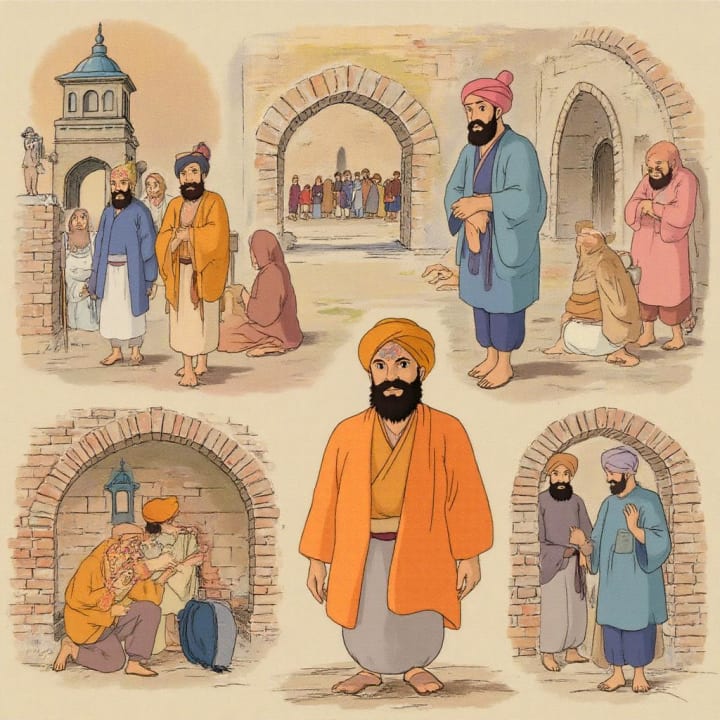
But life outside university walls was not what they had expected.
Armaan had auditioned for nearly fifty roles and was either told he was “too intense” or “not the right look.” Ayaan had been promised a job through campus placement, but the company folded before it ever paid him. Zeeshan sent out stories and screenplays to dozens of publications and film studios—most didn’t even reply.
Now, twelve months later, they shared a one-bedroom apartment in the city’s cheapest lane, juggling part-time delivery jobs and call center shifts just to keep the lights on. Every day, they woke up hoping for something to change. Every night, they went to sleep with nothing but the weight of disappointment.
On one particularly grim morning, the three sat silently over bread and tea. The electricity had been cut again due to an unpaid bill.
“We can't live like this forever,” Ayaan said, breaking the silence.
“No one's asking us to,” Armaan replied, staring out the window. “We just need one break.”
“But what if it never comes?” Zeeshan asked. “What if we’re those people who spend their lives waiting for something that never happens?”
There was a long pause. Even Armaan, usually the most hopeful of them all, didn’t offer a poetic reply.
That night, unable to sleep, Zeeshan opened his journal and wrote a story. It wasn’t about success. It was about three friends who had dreams too big for their world to hold. The story ended not with them achieving fame or fortune, but with them choosing to create something of their own—raw, imperfect, but true.
The next morning, Zeeshan read the story aloud. Ayaan, who hadn’t touched his laptop in weeks, surprised them both by saying, “What if we turned this into something real?”
“Like what?” Armaan asked.
“A short film. Or maybe a podcast. We have mics. We have phones. We have talent. Why are we waiting for someone else to give us a shot?”
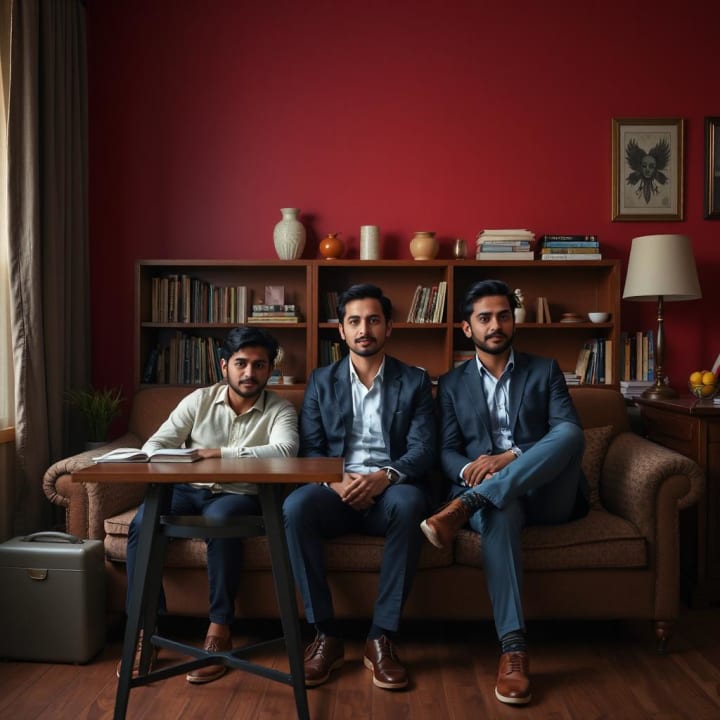
Armaan’s eyes lit up. “I could perform it. Add scenes, dialogues. Make it come alive.”
Zeeshan looked uncertain. “But we don’t have equipment, or a crew.”
Ayaan shrugged. “We have a tripod made of books and tape. And a few friends with DSLRs. Let’s just do it. What’s the worst that happens? We stay broke?”
They laughed, and for the first time in months, it wasn’t bitter laughter.
Over the next two weeks, they transformed their tiny apartment into a film set. Blankets became soundproofing. Zeeshan turned his story into a script. Armaan rehearsed scenes with the intensity of a stage veteran. Ayaan learned video editing from YouTube tutorials and borrowed software from a friend.
They called the project “Dreams on Hold”—a title that felt like a confession and a challenge.
When they uploaded it online, they expected maybe a few friends and family to watch. But something unexpected happened. People related. The rawness of the performances, the honesty of the story—it resonated.
A local indie platform reached out, asking if they could feature the short film. A radio channel asked Zeeshan for an interview. A low-budget filmmaker contacted Armaan for an audition. And Ayaan was invited to speak on a panel about self-taught creators.
It wasn’t viral fame. It wasn’t money pouring in. But it was a crack in the wall they’d been pounding on for a year. A sliver of light.
Weeks passed. They began working on a second project. Not because they had to—but because they wanted to. They were still broke. The rent was still due. But now, they had momentum. They weren’t waiting anymore.
One evening, the three sat on their building’s terrace, sipping cheap soda and eating instant noodles, watching the city lights flicker like stars.
Zeeshan smiled. “Funny, isn’t it? How we kept saying our dreams were on hold?”
“Turns out,” Ayaan said, “they were just buffering.”
Armaan leaned back against the railing. “Maybe the dream was never about ‘making it.’ Maybe it’s just about not giving up on ourselves.”
They clinked their plastic cups together. Three friends, still struggling, still searching, but finally moving forward—not because the world gave them a chance, but because they stopped waiting for one.
About the Creator
Keep reading
More stories from writers in Families and other communities.
Wise~Guys
— Look Behind what's in Front of You ~ Make Good Choices — Hey, So how you Doin'..! Made~Men — Mobster Movies romanticise a distinctive, elegant appearance, impeccable attire style, along with the 'Families' expressive lingo. Making their 'Bones' gave them Panache — with vintage fedoras, tailored pin-striped suits, mirror-polished wing-tip shoes adorned with tassels; with their 'Gun Moll' gorgeous dates on their arms.
By Jay Kantor17 days ago in Families




Comments
There are no comments for this story
Be the first to respond and start the conversation.