
Diagnosis and Treatment of Hair Loss Disorders
Current Guidelines and Emerging Therapies

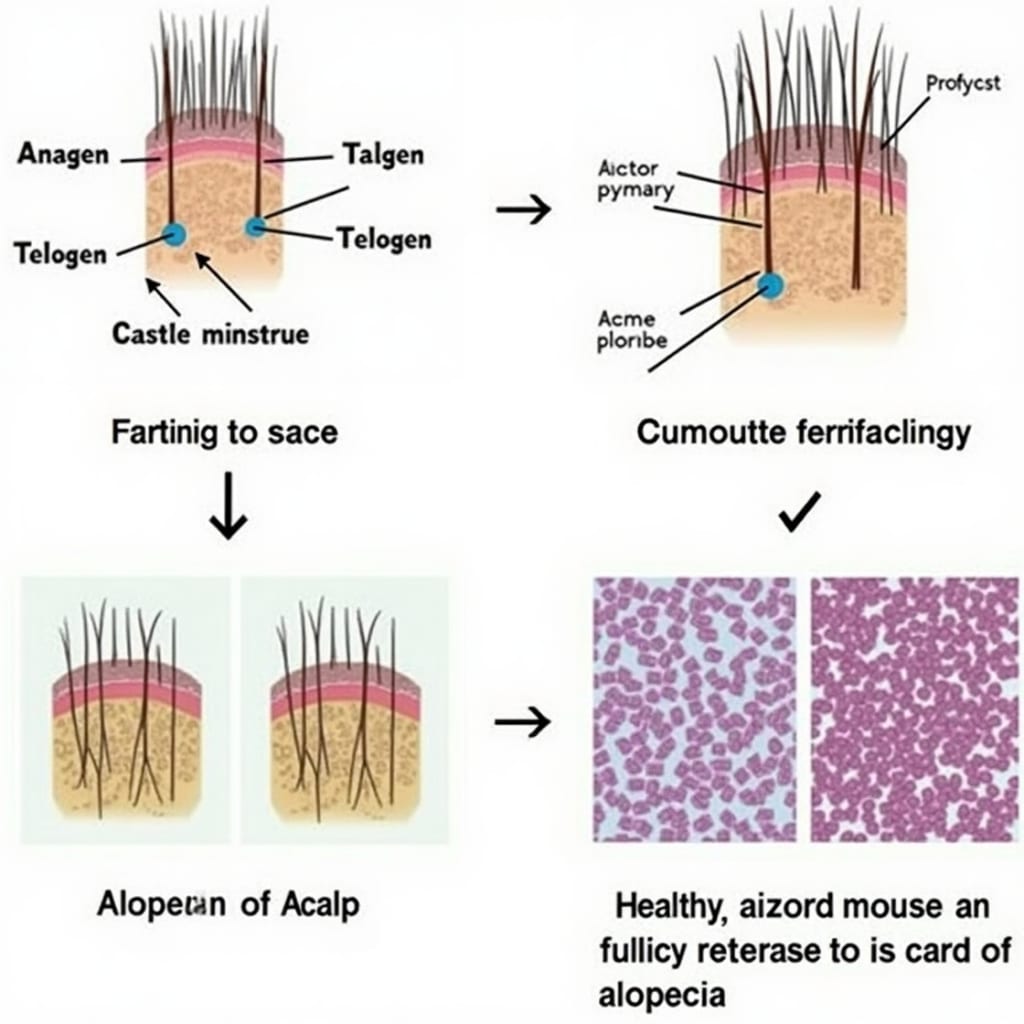
Hair loss is a common concern affecting millions of men and women worldwide. It can occur due to various reasons including genetics, hormonal changes, nutritional deficiencies, stress, autoimmune diseases, or environmental factors. Understanding the root cause is crucial to choosing the most effective treatment plan. This guide explores the causes of hair loss, advanced treatment options, and preventive lifestyle strategies to help manage and possibly reverse the condition.
Understanding Hair Loss and Its Causes
Hair loss, medically known as alopecia, can be classified into several types. The most common is androgenetic alopecia—also known as male or female pattern baldness—which is genetic and often progressive. Other types include telogen effluvium, a temporary form of hair loss caused by stress, nutritional deficiencies, or illness, and alopecia areata, an autoimmune disorder where the immune system mistakenly attacks hair follicles.
Environmental factors such as pollution, harsh hair treatments, and tight hairstyles can also contribute to hair thinning and breakage. Therefore, an accurate diagnosis by a dermatologist is essential to determine whether the hair loss is permanent or reversible and what treatment approach is best suited.
The Role of Nutrition in Hair Health
Nutrition plays a vital role in maintaining healthy hair. Deficiencies in essential nutrients can weaken hair strands and slow down growth. One important protein that supports hair structure is keratin, the building block of hair. However, increasing keratin production through supplements or diet is only effective if the body is deficient.
Key nutrients that support keratin production and hair health include:
Biotin (Vitamin B7): Promotes keratin structure and strengthens hair.
Iron and Zinc: Prevent hair shedding and promote follicle health.
Vitamin D: Deficiency is linked to autoimmune-related hair loss.
Omega-3 fatty acids and Antioxidants: Help reduce scalp inflammation and improve hair follicle function
While supplementation can be beneficial, it is crucial to consult a healthcare provider before beginning any vitamin regimen, especially if there is no confirmed deficiency.
Advanced Medical Treatments for Hair Loss
When lifestyle changes and nutrition aren't enough, medical interventions may be necessary. Two of the most promising advanced treatments are Platelet-Rich Plasma (PRP) Therapy and Hair Transplant Surgery.
Platelet-Rich Plasma (PRP) Therapy
PRP therapy involves extracting the patient's own blood, processing it to concentrate the platelets, and injecting this plasma into areas of the scalp affected by thinning. Platelets contain growth factors that stimulate the hair follicles and encourage new hair growth.
Method: Injections of concentrated platelets into the scalp.
Effectiveness: Clinical studies show a 70% success rate, particularly in individuals with early-stage androgenetic alopecia (Giordano et al., 2018).
Best Candidates: Individuals in the early stages of hair thinning.
While results can vary, PRP is considered a safe and minimally invasive treatment, usually requiring multiple sessions over several months.
Hair Transplant Surgery
For those with more advanced hair loss, hair transplant surgery may offer a permanent solution. There are two main methods:
FUE (Follicular Unit Extraction): Involves extracting individual hair follicles from the donor area (usually the back of the head) and transplanting them into bald or thinning areas. It offers natural-looking results with minimal scarring.
FUT (Follicular Unit Transplantation): A strip of scalp with healthy hair follicles is removed and dissected into individual grafts. This method is more suitable for individuals needing larger coverage areas.
Both methods have high success rates but require significant recovery time and should only be performed by experienced specialists.
Lifestyle Adjustments and Preventive Strategies
Adopting healthy lifestyle practices can help slow down hair loss and support regrowth. These changes not only benefit the hair but also improve overall health.
Stress Management: Chronic stress can trigger or worsen hair loss. Techniques such as meditation, yoga, and deep breathing exercises help lower cortisol levels and promote hormonal balance.
Gentle Hair Care: Avoid tight hairstyles like ponytails or braids that exert tension on the hair shaft and lead to traction alopecia. Use mild, sulfate-free shampoos and avoid excessive heat styling.
Scalp Massage: Regular scalp massage increases blood circulation to hair follicles, enhancing nutrient delivery and promoting growth. Massaging with natural oils like coconut or rosemary oil can further nourish the scalp.
Additionally, ensuring adequate sleep, staying hydrated, and avoiding smoking can support healthier hair and reduce the chances of hair thinning.
Conclusion
Hair loss is a multifactorial issue that requires a tailored approach based on its underlying cause. For some, temporary shedding can be managed effectively through nutritional improvements and stress reduction. For others, especially those with genetic predispositions, long-term treatment plans may include medications, PRP therapy, or surgical options.
Emerging technologies like Low-Level Laser Therapy (LLLT) and stem cell treatments are also showing promise in clinical trials, though more research is needed for widespread adoption.
Early diagnosis and intervention remain key. Consulting a dermatologist at the first signs of excessive hair shedding or thinning can dramatically improve the chances of successful treatment. With the right combination of science, care, and consistency, many individuals can achieve noticeable improvement in hair health and density.
References
1. American Academy of Dermatology. (2021). *Hair Loss: Diagnosis and Treatment*
2. Asghar, F., et al. (2020). *Telogen Effluvium: A Review*. Journal of Clinical Medicine
3. Pratt, C. H., et al. (2017). *Alopecia Areata: An Autoimmune Disease*. Nature Reviews Immunology
4. Giordano, S., et al. (2018). *Platelet-Rich Plasma for Androgenetic Alopecia*. Dermatologic Surger
About the Creator
Ahmad shah
In a world that is changing faster than ever, the interconnected forces of science, nature, technology, education, and computer science are shaping our present and future.
Keep reading
More stories from Ahmad shah and writers in Families and other communities.
The Kneeling Mother
The sun had not yet risen over the city of Kobe, Japan, when the earth began to tremble. It started as a low rumble, like a distant thunder, and then quickly escalated into a violent roar. Buildings swayed like trees in a storm, glass shattered, screams filled the air, and within moments, everything turned into dust and chaos.
By Ahmad shah7 months ago in Families
Wings of a Lioness: The Geology of Inherited Pride
People often ask me where I get the strength to pack my entire life into two suitcases and head into the unknown. Where do I get that step that never falters, neither in the cold Canadian North nor under the elegant skies of France? The answer doesn't lie in geographic maps, but in an old photo album, my mother's oversized ring, and that blue flight attendant's cap that is worth more to me than any crown. My courage is not my own doing – it is the dowry left to me by my mother, a woman who conquered heights with airplanes, and the earth beneath her feet with her unwavering character.
By Magma Star4 days ago in Families
The Forsyth House Fire
Since 1851, Forsyth House has stood on the corner of Union Street and Gordon Street in the heart of Glasgow. Its iconic, or was... because on Sunday 8th of March, 2026, a fire broke out in a small, seemingly un-named shop in the building and tore all that history down. As I write, the rubble is still unsettled and the street is still blocked off. Central Station is quiet on the upper level, and around 30 small businesses have quite literally gone up in smoke.
By S. A. Crawford3 days ago in The Swamp



Comments
There are no comments for this story
Be the first to respond and start the conversation.