
Depression and Relationships: How to Support Your Partner or Loved One.
A Guide to Understanding and Navigating the Challenges of Loving Someone with Depression
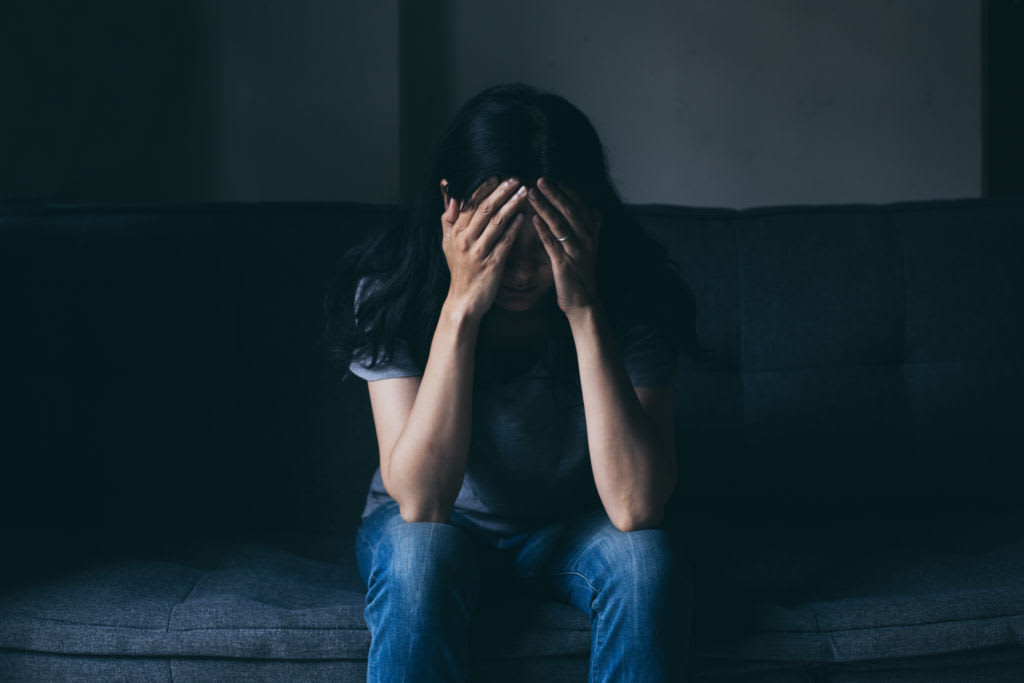
Depression is a debilitating mental health condition that affects millions of people around the world. It can be particularly difficult for those in relationships, as it can impact not only the individual with depression but also their partner or loved ones. If you have a partner or loved one who is struggling with depression, it's important to know how to offer them support.
Understand Depression
The first step in supporting your partner or loved one with depression is to understand what depression is and how it affects people. Depression is not just feeling sad or blue; it is a complex mental health condition that affects a person's mood, thoughts, behavior, and physical health. People with depression may experience a range of symptoms, including persistent sadness, feelings of hopelessness, loss of interest in activities they used to enjoy, changes in appetite and sleep patterns, and difficulty concentrating or making decisions.
Depression is not something that can be easily overcome or “snapped out of.” It is a serious mental health condition that requires professional treatment, just like any other medical condition.
Be Supportive
The most important thing you can do for your partner or loved one with depression is to be supportive. Let them know that you care about them and that you are there for them. Listen to their concerns and try to understand what they are going through. Sometimes just being present and available can make a big difference.
Don't Judge
It's important not to judge your partner or loved one for their depression. Depression is not a choice, and people who have it often feel ashamed or guilty about their condition. Avoid making comments like "just cheer up" or "get over it." These types of comments can make your loved one feel worse and may discourage them from seeking help.
Encourage Professional Help
Depression is a serious medical condition that requires professional treatment. Encourage your partner or loved one to seek help from a mental health professional. You can offer to help them find a therapist or counselor and offer to go with them to appointments if they want.
Take Care of Yourself
Taking care of someone with depression can be emotionally draining, so it's important to take care of yourself as well. Make sure you're getting enough rest, eating well, and exercising regularly. Talk to a friend or family member about how you're feeling, and consider seeking professional help for yourself if you're struggling.
Don't Take it Personally
People with depression may withdraw from their relationships or lash out at their loved ones. It's important not to take this behavior personally. Remember that depression is a medical condition that can affect a person's behavior and emotions. Try not to get defensive or react emotionally if your partner or loved one is acting out. Instead, try to understand where they are coming from and offer support.
Be Patient
Recovering from depression takes time, and there may be setbacks along the way. It's important to be patient with your partner or loved one and to understand that recovery is a process. Don't expect them to "get over" their depression quickly, and avoid putting pressure on them to "get better." Instead, offer your support and encourage them to seek professional help.
Educate Yourself
Educate yourself about depression and mental health. The more you know about the condition, the better equipped you will be to support your partner or loved one. There are many resources available online, including articles, books, and support groups.
Conclusion
Depression can be a difficult condition to live with, both for the person with depression and for their loved ones. If you have a partner or loved one who is struggling with depression, it's important to be supportive, non-judgmental, and patient. Encourage them to seek professional help, take care of yourself, and educate yourself about the condition. Remember that depression is a medical condition that requires treatment, and
About the Creator
Keep reading
More stories from Faustina Boateng and writers in Families and other communities.
The Surprising Health Benefits of Dandelion: Why This Humble Weed Deserves a Place in Your Diet and Medicine Cabinet
Dandelions may be considered a pesky weed to many gardeners and homeowners, but they have been used for centuries as a medicinal herb. The bright yellow flowers and green leaves of the dandelion plant are not only beautiful, but they also offer a range of surprising health benefits. From aiding digestion to improving liver function, dandelions are a versatile plant that deserve a place in your diet and medicine cabinet.
By Faustina Boateng3 years ago in Earth
Wise~Guys
— Look Behind what's in Front of You ~ Make Good Choices — Hey, So how you Doin'..! Made~Men — Mobster Movies romanticise a distinctive, elegant appearance, impeccable attire style, along with the 'Families' expressive lingo. Making their 'Bones' gave them Panache — with vintage fedoras, tailored pin-striped suits, mirror-polished wing-tip shoes adorned with tassels; with their 'Gun Moll' gorgeous dates on their arms.
By Jay Kantor16 days ago in Families
The quiet sound of families breaking
There is a kind of silence that is louder than any noise. It is the silence of a child waking in the night and realizing their parent is gone. It is the silence of a kitchen table with one chair suddenly empty. It is the silence of a home that still looks the same, but no longer feels the same. Across the United States, thousands of families live inside that silence. Not because of war. Not because of disaster. Not because of death. But because of policy.
By Kaylee Souther4 days ago in Families
Do You have a Support Network?
Life is harder when you’re on your own. Human beings are social creatures, and we usually feel better when we have support from a strong social network around us. For most people, it’s our families that hold us together like glue.
By Elizabeth Woodsabout 11 hours ago in Psyche




Comments
There are no comments for this story
Be the first to respond and start the conversation.