
Decoding the Mold Dilemma
Friend or Foe in Your Food ?
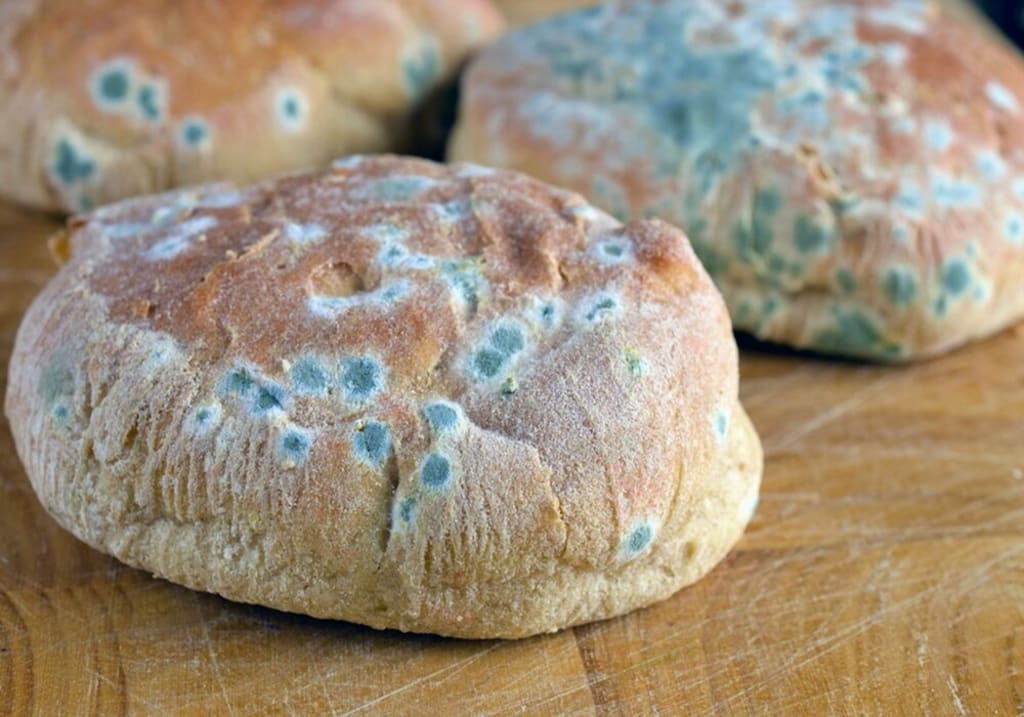
Title: "Decoding the Mold Dilemma: Friend or Foe in Your Food?"
Introduction:
In the daily routine of consuming meals, encountering mold can be an unexpected and unpleasant surprise. The question that immediately arises is, what happens when you eat mold? Is it a harmless encounter or a potential health hazard? Let's delve into the intricate world of molds and their impact on our bodies, exploring both the risks and surprising benefits associated with these fungal organisms.
Understanding Mold:
Molds, belonging to the kingdom of fungi, share common ground with mushrooms. These microscopic organisms play a crucial role in nature by decomposing dead organisms and preventing the accumulation of organic remains. However, molds can have a darker side, as some produce toxins that can be harmful when ingested.
The Potential Dangers:
Consuming mold becomes a concern when it has matured and releases toxins as part of its biological processes. The most common scenario for ingesting harmful mold is through consuming decomposed food covered in fungus. While spores in the air pose minimal risks, mature mold on food can be a different story. There are toxins that are mild and may not cause harm, however, some can cause vomiting, diarrhea, and the sweats, which are all similar to food poisoning.
Types of Harmful Toxins:
Mold toxins, or mycotoxins, are the main culprits when it comes to health risks associated with mold consumption. Aflatoxins, produced by certain molds found in soil, decaying vegetables, and grains, can lead to severe consequences, including liver cancer. Another toxin, ochratoxin A, produced by molds in cereals, coffee beans, grape juices, and spices, has been linked to kidney damage and potential fetal development issues. Patulin, found in moldy fruits and grains, can cause liver, spleen, and kidney damage, disrupting the immune system.
Immediate Actions After Consumption:
If you accidentally ingest moldy food, the immediate step is to throw away the affected food to prevent others from making the same mistake. Monitoring for symptoms such as nausea, fatigue, or gastrointestinal issues is crucial. Seeking medical attention if any adverse symptoms arise is imperative.
The Beneficial Side of Mold:
While certain molds pose health risks, it's important to recognize that some molds play crucial roles in the creation of various foods. Cheeses like blue cheese, brie, and salami are intentionally introduced to molds during production, enhancing flavor and texture. The penicillium mold, commonly used in cheese making, and serves as the foundation for the first antibiotic, penicillin, due to its bacteria-fighting properties. Butchers allow the mold to grow on the outer casing of the meat to protect it from any other harmful molds or bacteria that may want to use it as a breeding ground. The penicillium mold protects the fats in the meat from oxidizing and spoiling. Today other processes are used for the protein to be dried and cured, but some still follow the traditional way of using mold as a means to make their product last longer and retain it's delicious flavors. Mold contributes to the creation of other foods and beverages, including vinegar, Japanese sake, and certain wines. The fungus Botrytis cinerea is a mold that causes grapes to dehydrate and shrivel, increasing the concentration of sugars in the fruit, allowing a unique fermentation process by giving certain wines a sweeter taste, or a honey-like luscious flavor.
Conclusion:
In conclusion, the encounter with mold in our food can have varied outcomes, ranging from potential health hazards to unexpected benefits. While it's essential to be cautious and avoid consuming visibly moldy food, understanding the intricate relationship between mold and the food creation process provides valuable insights. By staying vigilant, adhering to food safety practices, and promptly discarding moldy items, we can navigate the delicate balance between the potential dangers and surprising advantages associated with molds in our diet.
About the Creator
Keep reading
More stories from Claudette Birkett and writers in Families and other communities.
''Smartphone Longevity
Title: "Smartphone Longevity: Unveiling the Dos and Don'ts for Prolonged Battery Life" In the contemporary world, smartphones have become an extension of ourselves, almost like an additional limb. While these magical devices can perform a myriad of tasks, it's essential to recognize that they aren't invincible. To ensure that your smartphone remains a reliable companion for an extended period, consider these tips and tricks that go beyond the surface of app management and delve into the intricacies of charging and overall device care.
By Claudette Birkett2 years ago in Lifehack
The Chair That Stayed Empty
story There was always one chair in the house that no one sat in. It was near the window, at a small slant, and it caught the afternoon light. The cushion had sunk in the middle since it had been used for so long. Ammi would straighten it every night, even though no one sat there anymore.
By abualyaanart5 days ago in Families
Dead and Wearing Green
She was wearing that green dress when I first saw her, five years ago to the day. Flowing meadow fabric draped over long legs, thick auburn hair flowing down her back. That smile. Of course, she is still beautiful now. But now she is no longer alive.
By Karen Cave7 days ago in Fiction




Comments
There are no comments for this story
Be the first to respond and start the conversation.