
Colon Cancer
Recognizing the Silent Signs Could Save Your Life

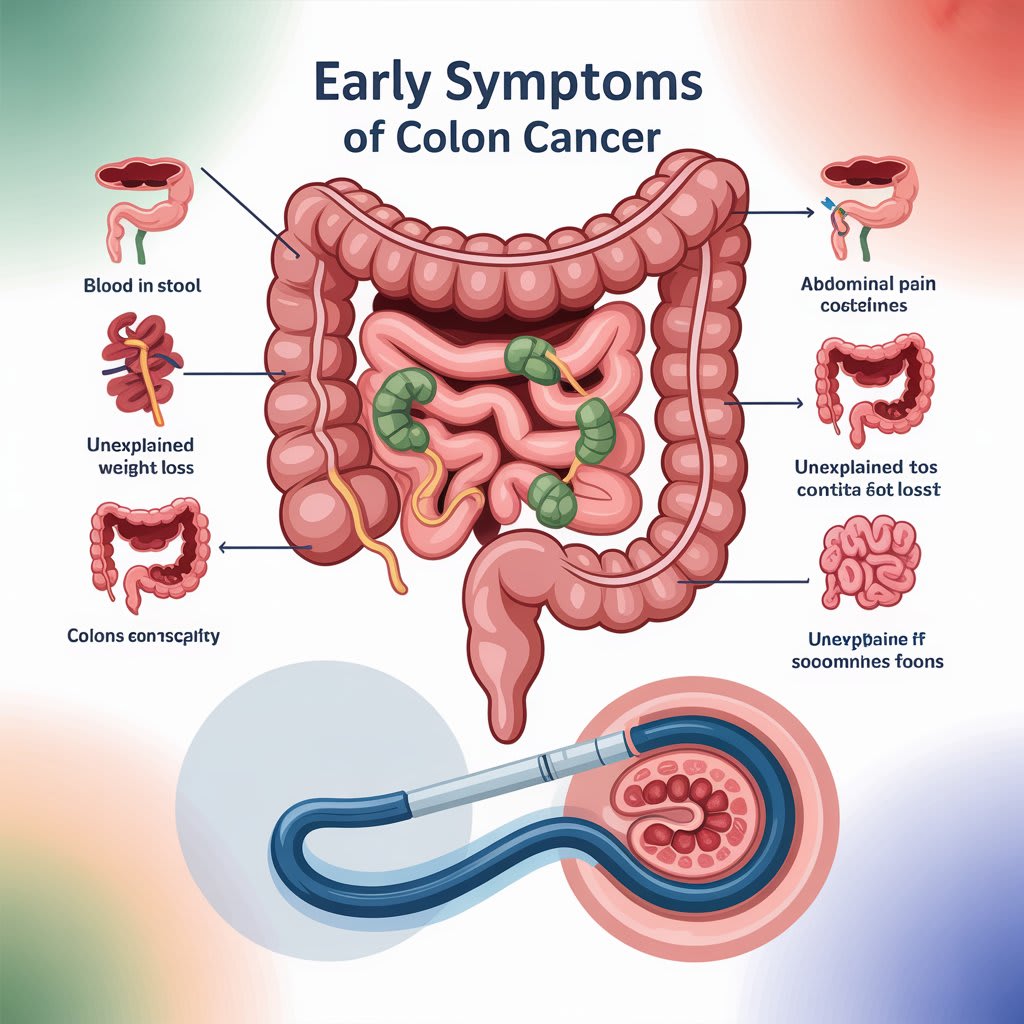
Colon cancer, also known as colorectal cancer, affects the large intestine (colon or rectum) and is one of the leading causes of cancer-related deaths worldwide. The most alarming fact about this disease is that it often begins with mild or almost invisible symptoms, which is why early detection is crucial. When caught early, colon cancer is highly treatable. Unfortunately, due to lack of awareness or delayed diagnosis, many cases are detected at later stages, when the disease has already progressed.
In this article, we will explore the early and visible symptoms of colon cancer, identify the risk groups, and outline preventive and diagnostic steps that can potentially save lives.
Early Warning Signs of Colon Cancer
Recognizing the early symptoms of colon cancer can be life-saving. Although these signs may appear minor or may be confused with other digestive issues, persistence and frequency are what make them concerning.
1. Blood in the Stool
One of the most noticeable signs is blood in the stool. It could be bright red (indicating fresh blood) or black and tarry (indicating old blood). While this can also result from hemorrhoids or other conditions, it should never be ignored, especially if it occurs repeatedly.
2. Persistent Diarrhea or Constipation
Changes in bowel habits, such as chronic diarrhea, constipation, or alternating between both, are red flags. If your digestive system is frequently disrupted and not returning to normal, it could signal a deeper issue within the colon.
3. Feeling of Incomplete Bowel Movement
A continuous sensation that your bowel is not fully emptied after using the toilet is another early sign. This can cause discomfort and the urge to go again shortly after having a bowel movement.
4. Abdominal Pain, Bloating, or Cramps
Frequent abdominal discomfort, including cramping, bloating, or gas pains that do not resolve with time, may be an indication of a tumor obstructing part of the colon.
5. Unexplained Weight Loss
Losing weight unintentionally and without changes to diet or exercise can be an alarming symptom. Cancers often cause weight loss by changing how your body processes food or using up energy resources excessively.
6. Fatigue or Weakness
If you're feeling constantly tired or weak, and it isn’t related to stress or lack of sleep, it may be due to anemia caused by internal bleeding in the colon.
7. Loss of Appetite
A reduced desire to eat or feeling full quickly can be an early symptom. This can result from changes in digestion or discomfort caused by a tumor.
Who is at Risk?
While anyone can develop colon cancer, certain individuals are at a higher risk.
• Age Factor: People over the age of 50 are generally more prone to colon cancer. However, recent studies have shown an increase in cases among younger adults, making it essential for everyone to be aware of the symptoms.
• Family History: If you have a close family member who has suffered from colon cancer or polyps, your chances increase significantly. Genetic factors can play a major role.
• Lifestyle Factors: A diet high in red meat, lack of fiber, sedentary lifestyle, smoking, obesity, and excessive alcohol consumption are known contributors to colon cancer.
• Medical History: Individuals with a history of inflammatory bowel disease (IBD), such as Crohn’s disease or ulcerative colitis, are at greater risk.
What Should You Do?
If you notice any of the symptoms listed above, especially if they persist for more than a few days, consult your doctor immediately. Early action can mean the difference between a full recovery and a long, difficult treatment process.
Diagnostic Methods Include:
• Colonoscopy: This is the most effective way to detect abnormalities or tumors in the colon. A small camera is inserted into the rectum to examine the inner lining.
• Stool Tests: Fecal occult blood tests (FOBT) or stool DNA tests can detect hidden blood or abnormal DNA associated with cancer or precancerous growths.
• Blood Tests: Although not used alone to diagnose colon cancer, blood tests can provide clues, especially for signs of anemia or tumor markers like CEA (carcinoembryonic antigen).
Prevention and Screening
• Regular Screening: Starting at age 45 or earlier if you have risk factors, regular screening is the best defense against colon cancer.
• Healthy Diet: Eat more fiber-rich foods like fruits, vegetables, and whole grains. Limit processed and red meats.
• Stay Active: Regular physical activity improves digestion and overall health.
• Avoid Smoking and Limit Alcohol: Both have been linked to increased cancer risks.
• Maintain a Healthy Weight: Obesity is a major contributor to several types of cancer, including colon cancer.
Final Thoughts
Colon cancer is a serious but preventable and treatable disease. The key lies in awareness, early detection, and proactive medical care. If something feels off with your digestive system, don’t delay—listen to your body. The earlier you seek help, the better your chances of a full recovery.
Remember: It’s not just a stomach ache — it could be something more serious. Stay informed, stay alert, and don’t hesitate to get screened. Your life may depend on it.
About the Creator
Ahmad shah
In a world that is changing faster than ever, the interconnected forces of science, nature, technology, education, and computer science are shaping our present and future.
Keep reading
More stories from Ahmad shah and writers in Families and other communities.
Understanding Food Poisoning
Food is an essential part of our lives, but when contaminated, it can become a serious health hazard. Food poisoning, also known as foodborne illness, occurs when people consume food or drinks contaminated with harmful bacteria, viruses, parasites, or chemical substances. While most cases are mild, some can be severe or even life-threatening, especially for young children, elderly individuals, pregnant women, and those with weakened immune systems.
By Ahmad shah8 months ago in Families
Punch the Macaque: The Baby Monkey Who Found Comfort in a Plush Friend
Today we look back at one of the most unexpected viral stories of 2025—a tale that began quietly in a zoo in Japan and grew into a global symbol of resilience and tenderness. It is the story of Punch, a Japanese macaque born in July 2025 at Ichikawa City Zoo in Chiba Prefecture. His life began with hardship, but what followed has touched millions across the world.
By Haroon Pasha6 days ago in Families



Comments
There are no comments for this story
Be the first to respond and start the conversation.