
Understanding Food Poisoning
Causes, Symptoms, and Prevention

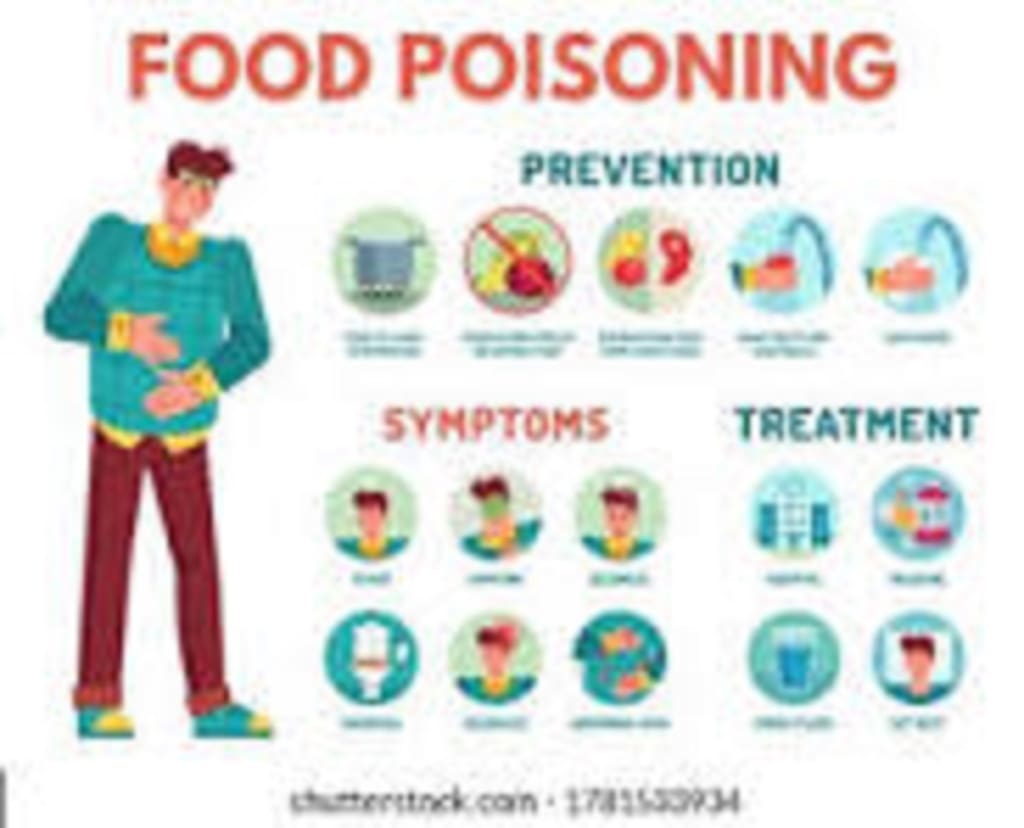
Food is an essential part of our lives, but when contaminated, it can become a serious health hazard. Food poisoning, also known as foodborne illness, occurs when people consume food or drinks contaminated with harmful bacteria, viruses, parasites, or chemical substances. While most cases are mild, some can be severe or even life-threatening, especially for young children, elderly individuals, pregnant women, and those with weakened immune systems.
What Causes Food Poisoning?
Food poisoning is caused by consuming contaminated food or water. The contamination may occur at any stage — from food production to processing, handling, or cooking. The primary culprits include:
1. Bacteria
• Salmonella: Commonly found in raw or undercooked eggs, poultry, and meat.
• E. coli: Found in undercooked beef or contaminated vegetables.
• Listeria: Present in unpasteurized dairy products and ready-to-eat deli meats.
2. Viruses
• Norovirus: Often linked to shellfish and food handled by infected people.
• Hepatitis A: Transmitted through contaminated food and water, especially in unsanitary conditions.
3. Parasites
• Giardia and Cryptosporidium: Found in contaminated water.
• Toxoplasma: Present in undercooked meat or infected cat feces.
4. Chemicals and Toxins
• Improper use of pesticides, or contamination from heavy metals like lead or mercury, can also lead to poisoning.
Common Symptoms of Food Poisoning
Symptoms typically appear within hours to a few days after consuming contaminated food. The most common signs include:
• Nausea
• Vomiting
• Diarrhea (sometimes bloody)
• Stomach cramps
• Fever
• Headache
• Muscle aches
• Dehydration
In most cases, the illness is self-limiting and lasts a few days. However, some infections can cause long-term complications like kidney failure (e.g., from certain E. coli strains) or chronic arthritis.
Who Is Most at Risk?
Certain groups are more vulnerable to severe outcomes from foodborne illnesses, including:
• Infants and young children: Immature immune systems make them more susceptible.
• Pregnant women: Some infections can harm the unborn baby.
• Elderly people: Aging weakens the immune response.
• People with chronic conditions (like diabetes, cancer, or HIV).
Common High-Risk Foods
The following foods are more likely to carry pathogens if not handled or prepared properly:
• Raw or undercooked meat and poultry
• Raw eggs or products containing them (e.g., homemade mayonnaise)
• Unpasteurized milk or juice
• Raw seafood or shellfish
• Deli meats and soft cheeses (if not stored correctly)
• Pre-cut fruits and vegetables (if not washed properly)
How to Prevent Food Poisoning
Preventing food poisoning is largely about safe food handling, cooking, and storage. Here are some practical tips:
1. Wash Your Hands
• Always wash hands with soap and water before and after handling food, especially raw meat.
2. Separate Raw and Cooked Foods
• Avoid cross-contamination by using separate cutting boards and utensils for raw meat and vegetables.
3. Cook Food Thoroughly
• Use a food thermometer to ensure internal temperatures are safe (e.g., poultry: 165°F / 74°C).
4. Store Food Properly
• Refrigerate perishable items within 2 hours.
• Keep your fridge at or below 40°F (4°C).
5. Avoid Expired Products
• Always check expiry dates and avoid eating spoiled or questionable food.
What to Do If You Get Food Poisoning?
For mild cases, treatment focuses on staying hydrated and resting. Over-the-counter medications may help with symptoms, but antibiotics are rarely needed unless prescribed.
Seek medical help immediately if you experience:
• High fever (over 101.5°F / 38.6°C)
• Bloody diarrhea
• Severe vomiting or inability to keep fluids down
• Signs of dehydration (dry mouth, dizziness, infrequent urination)
• Diarrhea lasting more than 3 days
Global Impact of Food Poisoning
According to the World Health Organization (WHO), an estimated 600 million people — almost 1 in 10 — fall ill after eating contaminated food every year. Approximately 420,000 people die, with children under 5 accounting for 40% of the foodborne disease burden.
Foodborne illnesses are not just a health concern but also impact economies by increasing healthcare costs, reducing productivity, and damaging public trust in food industries.
References
1. World Health Organization (WHO). “Food safety.” https://www.who.int/news-room/fact-sheets/detail/food-safety
2. Centers for Disease Control and Prevention (CDC). “Foodborne Illnesses and Germs.” https://www.cdc.gov/foodsafety/foodborne-germs.html
3. Mayo Clinic. “Food Poisoning.” https://www.mayoclinic.org/diseases-conditions/food-poisoning
4. U.S. Food & Drug Administration (FDA). “Food Safety Tips.” https://www.fda.gov/food/consumers/food-safety-education
About the Creator
Ahmad shah
In a world that is changing faster than ever, the interconnected forces of science, nature, technology, education, and computer science are shaping our present and future.
Keep reading
More stories from Ahmad shah and writers in Families and other communities.
Stay Full and Energized All Day with These High-Fiber Snacks for Weight Loss
When it comes to managing your weight and maintaining steady energy levels throughout the day, snacking can either be your best friend or your worst enemy. Many of the convenient, processed snacks available on the market are packed with refined carbs and added sugars, offering a quick energy boost followed by a crash that leaves you hungrier than before. Instead of reaching for chips or candy bars, consider fiber-rich snacks that support weight loss, gut health, and long-lasting energy.
By Ahmad shah8 months ago in Families
Punch the Macaque: The Baby Monkey Who Found Comfort in a Plush Friend
Today we look back at one of the most unexpected viral stories of 2025—a tale that began quietly in a zoo in Japan and grew into a global symbol of resilience and tenderness. It is the story of Punch, a Japanese macaque born in July 2025 at Ichikawa City Zoo in Chiba Prefecture. His life began with hardship, but what followed has touched millions across the world.
By Haroon Pasha6 days ago in Families



Comments
There are no comments for this story
Be the first to respond and start the conversation.