
Childhood Maltreatment: Impact on Adult Emotional Disorders
Childhood Maltreatment Linked with Poor Course of Emotional Disorders in Adulthood

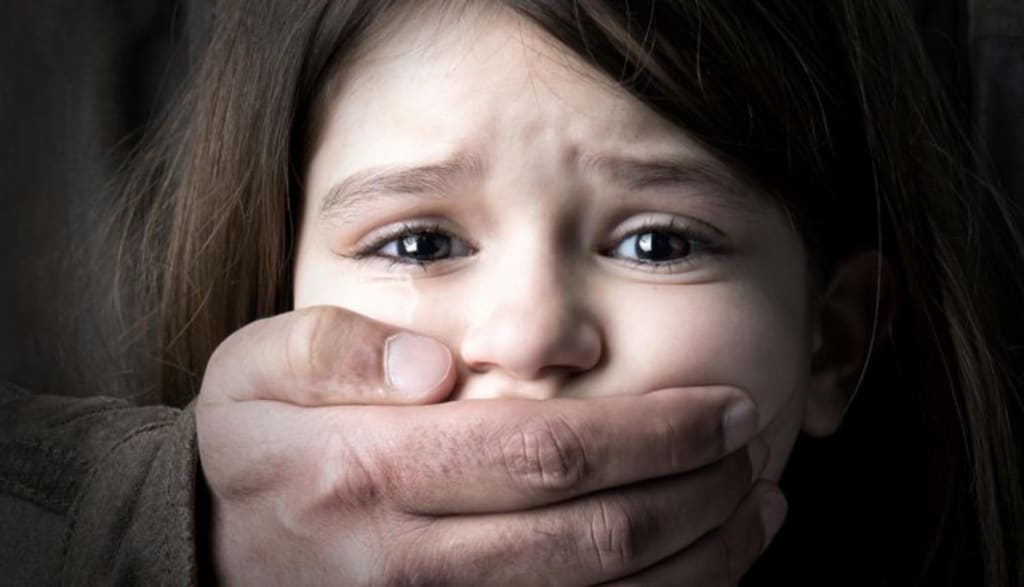
New research supports the necessity of taking both objective and subjective indicators of childhood abuse into account when studying its influence on the progression of emotional illnesses. According to the study, the specific origins and underlying processes that link childhood abuse and unfavourable experiences with mental illnesses are yet unknown.
While objective experience alone could not predict the unfavourable trajectory of emotional disorders, the significance of subjective experience was recognised in the prospective cohort study.Mistreatment in childhood has been found to have an influence on later life outcomes, indicating that it is a risk factor for emotional disorders such as depression and anxiety.
Andrea Danese, MD, PhD, of the Social, Genetic, and Developmental Psychiatry Centre and the Department of Child and Adolescent Psychiatry at King's College London, and colleagues sought to assess the relative associations of objective and subjective measures of childhood maltreatment and continuity in psychopathology with the course of emotional disorders in adulthood.
The prospective cohort of the study included over 1200 people under the age of 40. The participants were divided into two groups: those with substantiated records of childhood physical and sexual abuse and/or neglect between 1967 and 1971, and a demographically matched control group without any history of abuse or neglect.
At the same time, current and lifetime psychopathology were assessed. Investigators employed official court records to assess objective experience of childhood maltreatment, whereas subjective experience was examined through retrospective self-report at an average age of 29 years.
The subjective experience study of childhood maltreatment revealed a greater number of subsequent follow-up phases with depression or anxiety. The objective experience of mistreatment as judged by official court records, on the other hand, did not indicate a similar link.
When compared to the control group, those who had both objective and subjective markers of childhood maltreatment had a significantly higher number of follow-up phases with depression or anxiety. Similarly, people with subjective-only measurements had a higher frequency of emotional illnesses, according to the researchers.
Those who used just objective measurements did not have an increased risk of depression or anxiety. The existence of current and lifetime psychopathology affects the later course of emotional disorders, according to the subjective experience of abuse.
According to the study, it was obvious in people who did not have objective markers of abuse, implying that the subjective experience was explained in part by continuity in psychopathology.
This study's findings gave important insights into the function of subjective experiences in the link between childhood abuse and the development of emotional disorders in adulthood. Modifying the subjective experience of childhood maltreatment, according to the research, could potentially affect the longitudinal development of emotional illnesses.
Interventions aimed at the subjective views and psychological effects of childhood maltreatment may be useful in lowering the burden of emotional disorders among those who have experienced childhood maltreatment, according to the study.
The presence of current and lifetime psychopathology also contributed to this association, highlighting the need for comprehensive assessments and targeted interventions that address both the objective and subjective dimensions of childhood maltreatment to promote better mental health outcomes in individuals affected by early-life adversity.
A increasing amount of evidence shows a strong correlation between childhood abuse and the development of emotional illnesses in adults. Numerous studies have revealed that those who have experienced various forms of abuse in their childhood are more likely to develop negative trajectories of emotional disorders later in life.
Childhood maltreatment includes a variety of bad events such as physical, emotional, or sexual abuse, as well as neglect. These traumatic events can have long-term and severe impacts on a person's psychological well-being, making them more vulnerable to emotional illnesses like melancholy, anxiety, PTSD, and borderline personality disorder (BPD).
Childhood abuse has a wide-ranging impact on the development of emotional disorders in adults. Abuse can interfere with good emotional management, cognitive functioning, and interpersonal connections. It can also promote the development of maladaptive coping methods and problematic cognitive processes, aggravating emotional problems over time.
Longitudinal studies frequently show that childhood abuse has long-term repercussions on mental health outcomes. Individuals who experienced childhood abuse frequently have more severe symptoms, earlier onset, and a chronic course of mental illnesses than those who did not. Furthermore, persons with a history of childhood maltreatment are more likely to have comorbid illnesses such as substance misuse or self-harm behaviours.
Understanding the link between childhood maltreatment and the progression of emotional problems in adulthood highlights the critical need for comprehensive therapies. Early detection and tailored interventions can be critical in interrupting the cycle of negative consequences. Therapeutic techniques that address trauma, encourage healthy coping mechanisms, and help with emotional regulation have showed promise in reducing the detrimental effects of childhood maltreatment.
We can strive to create a society that prioritises the well-being of its most vulnerable members, fostering resilience, healing, and positive mental health outcomes, by recognising the profound influence of childhood maltreatment on emotional disorders in adulthood and implementing appropriate interventions.
About the Creator
Syed Jahangir
I am a talented and versatile writer with a passion for storytelling. With a natural gift for words, I have the ability to capture the essence of any subject and create engaging narratives that resonate with readers.
Keep reading
More stories from writers in Families and other communities.
Wise~Guys
— Look Behind what's in Front of You ~ Make Good Choices — Hey, So how you Doin'..! Made~Men — Mobster Movies romanticise a distinctive, elegant appearance, impeccable attire style, along with the 'Families' expressive lingo. Making their 'Bones' gave them Panache — with vintage fedoras, tailored pin-striped suits, mirror-polished wing-tip shoes adorned with tassels; with their 'Gun Moll' gorgeous dates on their arms.
By Jay Kantor24 days ago in Families
A Story of Leavie Scott
Leavie Scott’s story begins with a simple but powerful belief: that growth is possible at any stage of life. From an early age, Leavie understood the value of resilience, shaped by family influence and real-life experience rather than shortcuts or easy answers. Growing up, the lessons that mattered most were not always spoken aloud—they were shown through perseverance, responsibility, and the expectation that hard work would eventually open doors.
By Organic Products a day ago in Families




Comments
There are no comments for this story
Be the first to respond and start the conversation.