
Child Protection
Ensuring Every Child Grows Up Protected, Heard, and Valued

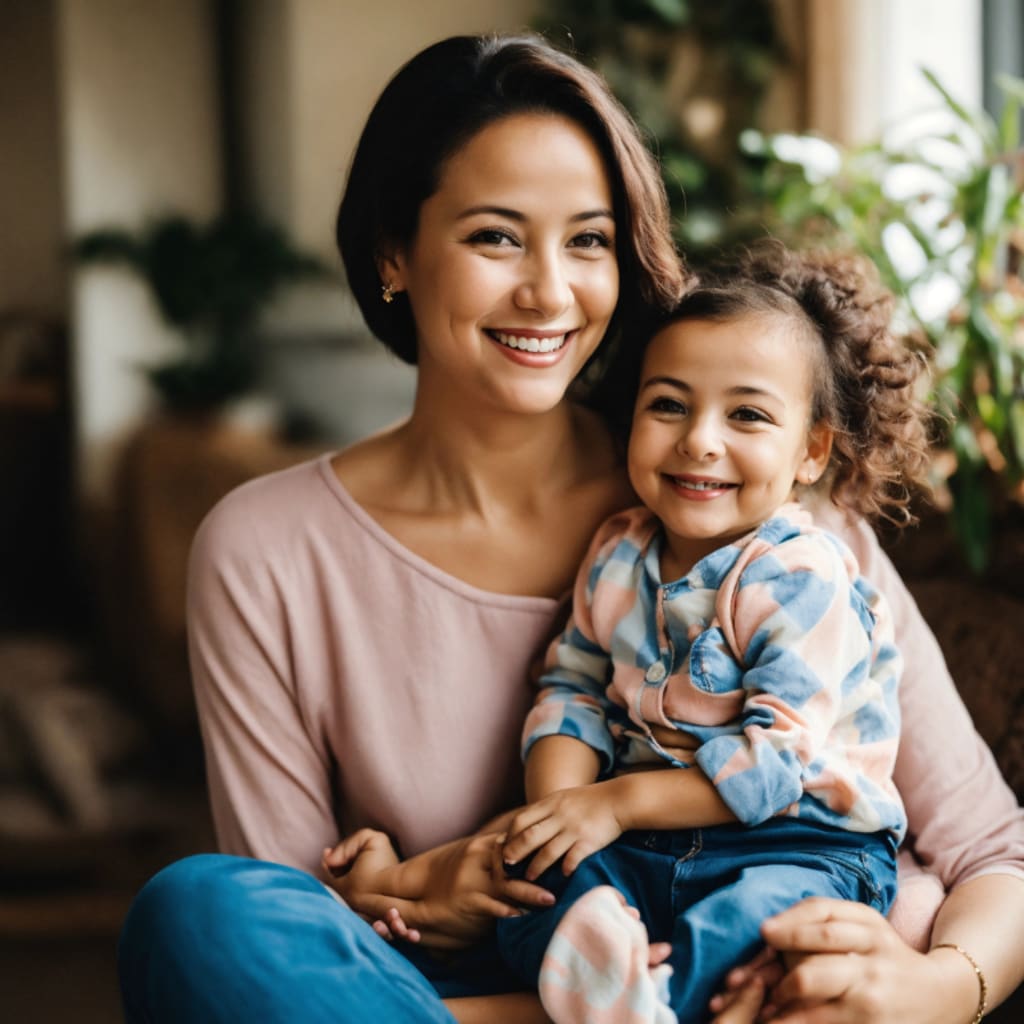
Every child is a bundle of hope, curiosity, and endless potential. Yet, around the world, millions of children face threats that rob them of their innocence, safety, and rights. Whether it’s abuse, neglect, exploitation, or violence, these dangers are not confined to a specific place—they exist in cities and villages, in wealthy homes and poor communities. This is why child protection is not just a policy—it's a moral duty we all share.
What Is Child Protection?
Child protection refers to the measures and structures put in place to prevent and respond to abuse, neglect, exploitation, and violence against children. It means ensuring that children grow up in safe, supportive environments where their rights are respected and their well-being is a top priority.
But protection isn’t only about responding to harm—it’s about creating systems that prevent harm before it happens. That includes education, awareness, legal safeguards, and community support.
Why Is Child Protection Important?
Children are among the most vulnerable members of society. They often lack the ability, knowledge, or power to protect themselves from harm. If not protected, the trauma children experience can impact them for life—mentally, emotionally, and physically.
Moreover, a child’s environment shapes the kind of adult they become. A child who is protected is more likely to become a confident, kind, and contributing member of society. On the other hand, a child who suffers abuse or neglect may carry pain, mistrust, and fear into adulthood.
Forms of Child Abuse
Understanding what children need protection from is crucial. Here are some of the most common forms of abuse:
1. Physical Abuse – Hitting, beating, or physically harming a child intentionally.
2. Emotional Abuse – Constant criticism, rejection, humiliation, or exposure to violence that damages a child’s self-worth.
3. Sexual Abuse – Any form of sexual activity with a child, including exploitation or exposure to inappropriate content.
4. Neglect – Failing to meet a child’s basic needs, such as food, shelter, education, or emotional support.
5. Child Labor and Exploitation – Forcing children to work in unsafe or illegal conditions instead of allowing them to study and grow.
Each of these forms of harm has deep, long-lasting consequences.
The Role of Family
Protection begins at home. Parents and caregivers are a child's first line of defense. Children thrive when they grow up in a home filled with love, routine, and security. But protection also means active involvement—knowing where your children are, what they're exposed to online, and who they interact with.
Parenting doesn’t come with a manual, but open communication, trust, and patience go a long way in creating a protective space for children.
The Role of Schools
Schools are more than just places of learning—they are second homes for many children. Teachers and school staff must be trained to identify signs of abuse and create an inclusive, non-threatening environment for children.
Implementing clear child protection policies, having trusted adults for students to talk to, and teaching children about their rights are essential steps every school should take.
The Role of Government and Law
Strong laws and effective implementation are vital. Governments must ensure that:
• Child abuse is a punishable offense.
• Victims receive legal and psychological support.
• Agencies are trained to respond to child protection issues.
• Awareness campaigns are conducted regularly.
In many countries, the United Nations Convention on the Rights of the Child (UNCRC) provides a legal framework that guarantees every child the right to survival, protection, development, and participation.
The Role of Technology and Media
In today's digital age, the internet can be both a tool and a threat. Children are vulnerable to cyberbullying, online predators, and harmful content.
Parents must be educated on how to keep children safe online, and tech companies should be held responsible for monitoring and reporting harmful content. Likewise, the media has a duty to cover child-related issues sensitively and avoid content that exploits children.
Teaching Children to Protect Themselves
One of the best ways to protect children is to empower them with knowledge. Children should be taught:
• The difference between safe and unsafe touch.
• How to say “no” and speak up.
• How to
About the Creator
Engr Bilal
Writer, dreamer, and storyteller. Sharing stories that explore life, love, and the little moments that shape us. Words are my way of connecting hearts.
Keep reading
More stories from Engr Bilal and writers in Families and other communities.
Rights of a Son
In today’s evolving world, we often speak about gender equality and the importance of empowering every child—regardless of gender. While much-needed conversations are rightly focused on uplifting daughters and marginalized groups, it is equally important to acknowledge that sons too have rights that must be recognized, respected, and nurtured.
By Engr Bilal7 months ago in Families
Christmas Abroad: Celebrating the Holidays Without Family
I moved to South Korea in 2017. I was twenty-two years old and excited to start my career as an English Second Language Teacher. With a Bachelor's degree and six hundred dollars in my bank account, I set off for Busan.
By Kera Hollow27 days ago in Families
The First Fire I Ever Saw
The Night Was Quiet It was a cool evening, the kind where the air smells faintly of damp earth and leaves. I was just a child, curious and restless, wandering near the edge of our backyard. My parents were inside, busy with their usual evening routines, leaving me to explore the small world just beyond the porch. That’s when I saw it—the fire.
By Talha khan5 days ago in Families


Comments (1)
Child protection is so important. We gotta make sure kids are safe from all kinds of abuse. I remember a case where a kid's life was turned around by proper protection. We all need to do our part.