
Rights of a Son
Understanding the Balance of Love, Responsibility, and Respect in Raising Sons

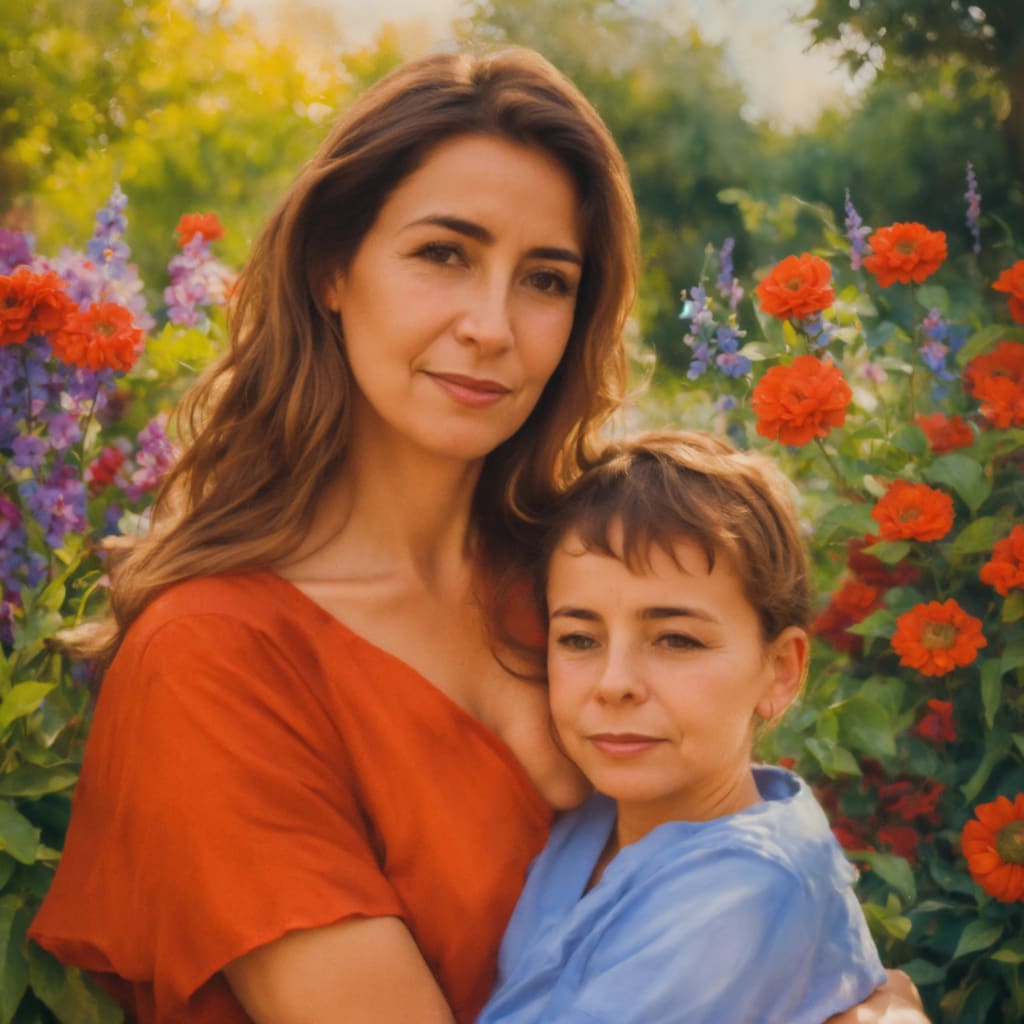
In today’s evolving world, we often speak about gender equality and the importance of empowering every child—regardless of gender. While much-needed conversations are rightly focused on uplifting daughters and marginalized groups, it is equally important to acknowledge that sons too have rights that must be recognized, respected, and nurtured.
Raising a son isn’t just about preparing him to earn or be strong. It’s about nurturing a well-rounded human being who knows empathy, responsibility, kindness, and confidence. Sons, like daughters, need emotional support, guidance, and freedom to grow into their full potential.
Let’s explore the fundamental rights of sons—within families and in the broader context of society.
1. The Right to Unconditional Love and Acceptance
Every son deserves to feel loved simply for being himself. This love should never depend on his achievements, career choices, or how well he fits into society's definition of “masculinity.” Sons should be loved whether they excel or struggle, whether they are introverted or outgoing.
Unfortunately, many boys grow up with the idea that they must prove their worth to be valued. This pressure can lead to emotional suppression and insecurity. Parents and families must show their sons that love isn’t conditional—it is constant.
2. The Right to Express Emotions
Boys are often taught to “man up,” “don’t cry,” or “be strong.” This harmful messaging denies them the basic right to feel and express emotions.
Sons have every right to cry, to be vulnerable, and to seek comfort. Emotional health is just as vital as physical health. A son who is allowed to express his feelings grows into a man who is more self-aware, compassionate, and emotionally intelligent.
3. The Right to Education and Opportunity
Like every child, sons have the right to a proper education, skill development, and opportunities to build a future of their own choosing. This includes not only academic education but also moral, social, and life education—how to be kind, respectful, and resilient.
No son should be forced into a career path just to meet family expectations. He should be encouraged to pursue what makes him fulfilled—be it engineering, arts, teaching, sports, or any other field.
4. The Right to Safety and Protection
Often, boys are expected to be the protectors. But sons too need protection from physical, emotional, and mental harm. They should be taught to recognize danger, whether in relationships, social circles, or online spaces.
Abuse, bullying, peer pressure, and unhealthy masculinity are real challenges boys face. Sons deserve safe environments where they are taught healthy boundaries and given the confidence to speak up.
5. The Right to Be Treated as a Child—Not a Burden or Investment
In many cultures, sons are seen as “future breadwinners” or “family heirs.” This mindset can turn a child into a project or investment, rather than a person with dreams and vulnerabilities.
A son is not born to carry the family's expectations on his shoulders alone. He has the right to be nurtured, not burdened. He is not just the one who “will take care of us in old age”—he is a child who also deserves care and patience.
6. The Right to Learn Respect and Responsibility
Sons have the right to be raised in homes that teach them respect—for themselves and others. This means raising sons who value consent, equality, and kindness, rather than entitlement or control.
A son should be taught that responsibility is not just about earning money. It includes being honest, accountable, fair in relationships, and emotionally present in his family life.
7. The Right to Make Choices
Sons must be given the freedom to choose their paths, be it in education, profession, hobbies, or even in marriage. Forcing sons to follow rigid cultural norms or expectations stifles their individuality.
Every son should grow up knowing he can make his own choices—who he loves, what he believes, and how he lives. With this freedom comes guidance—not control.
8. The Right to Be a Feminist and Ally
Being a son doesn’t mean being in competition with daughters or girls. Sons should be raised with the right to understand and support gender equality.
They should know that respecting women, advocating fairness, and challenging toxic masculinity doesn’t make them weak—it makes them just. Boys raised to be respectful allies grow into men who help build a more equal and compassionate society.
9. The Right to Dream Beyond Stereotypes
Society often limits boys by telling them what is “manly” or “normal.” But sons have the right to dream without being boxed into stereotypes. A son may want to be a dancer, a writer, a stay-at-home dad, or a fashion designer—and that’s okay.
Letting boys dream freely helps them discover their unique identity and passion.
Conclusion: Sons Deserve Full Humanity
Sons are not born to be warriors, earners, or silent supporters. They are born human—with hearts, thoughts, questions, and potential. Giving them their rights is not just about fairness—it’s about creating a generation of men who are secure, balanced, and respectful.
When we recognize the rights of sons—not just as future men, but as growing individuals—we raise better sons, better brothers, better partners, and better citizens. And ultimately, a better world.
About the Creator
Engr Bilal
Writer, dreamer, and storyteller. Sharing stories that explore life, love, and the little moments that shape us. Words are my way of connecting hearts.
Keep reading
More stories from Engr Bilal and writers in Families and other communities.
Rights of Daughter
In every corner of the world, daughters play an essential role in the strength, warmth, and legacy of families. They are the ones who carry stories forward, hold traditions close, and often become the silent pillars of support within a home. Yet, in many societies, daughters still struggle for recognition, respect, and equal rights.
By Engr Bilal7 months ago in Families
Christmas Abroad: Celebrating the Holidays Without Family
I moved to South Korea in 2017. I was twenty-two years old and excited to start my career as an English Second Language Teacher. With a Bachelor's degree and six hundred dollars in my bank account, I set off for Busan.
By Kera Hollow27 days ago in Families


Comments (1)
You're spot on. I've seen firsthand how crucial it is to give sons unconditional love, let them express emotions, and provide education and opportunities.