
Cherishing the Fleeting Moments: Reflections on Parenthood and Time
How everyday experiences reveal the beauty and fragility of family life

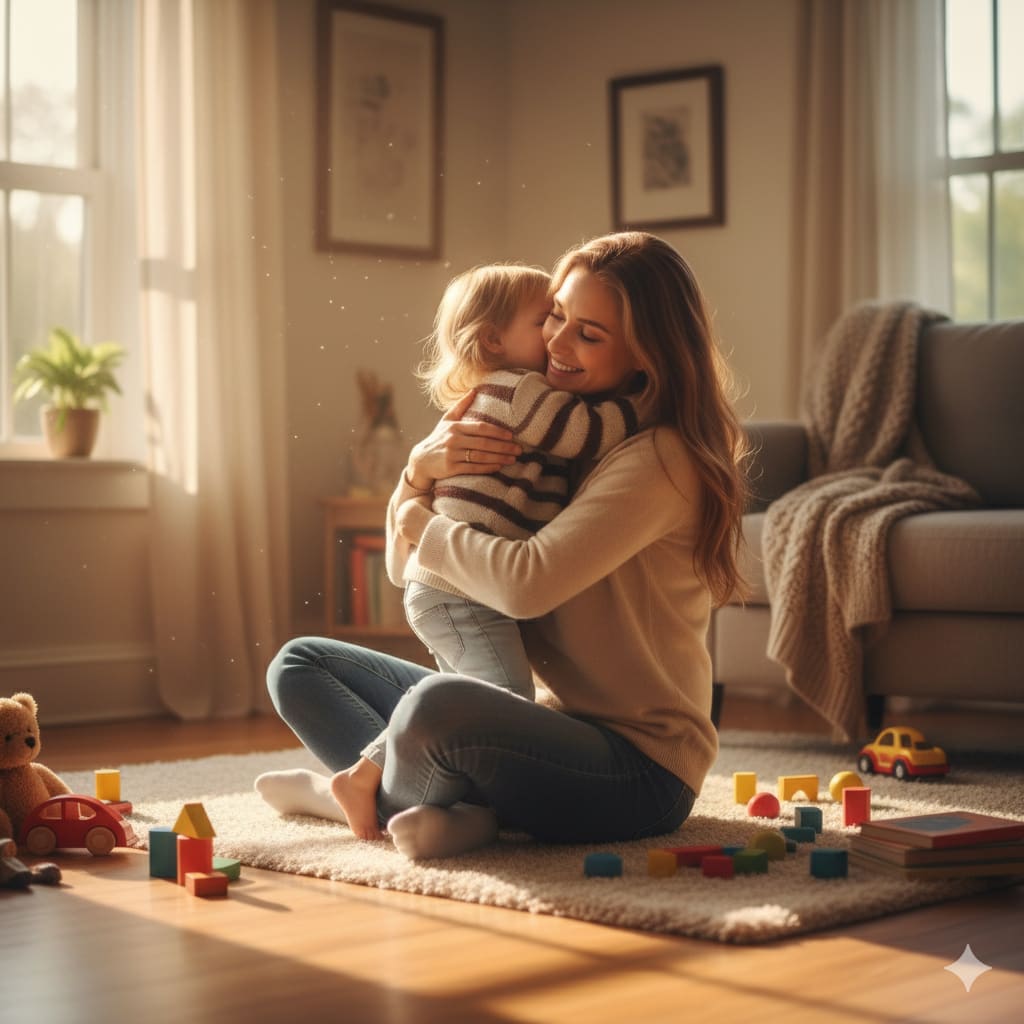
Parenthood is a journey filled with contradictions. Moments of bliss coexist with waves of exhaustion, joy with heartbreak, and pride with self-doubt. Every parent knows the feeling: one minute your child is a helpless infant, depending entirely on you for sustenance and comfort, and the next, they are expressing opinions, desires, and feelings that surprise even the most attentive parent. Time, it seems, accelerates when you are a caregiver, slipping by in ways that feel almost imperceptible until a single day crystallizes a stark awareness of change.
A few weeks ago, I experienced one such realization. After months of weighing the emotional and physical implications, I decided to stop breastfeeding my toddler. The decision was not taken lightly. Breastfeeding, while beautiful, had become a demanding routine, consuming hours of my day, draining energy, and leaving me perpetually fatigued. There was a part of me that felt sadness at the idea of letting go, as though a piece of our intimate bond would quietly disappear. Yet, there was also relief—the prospect of reclaiming time and autonomy, even briefly, was irresistible.
I decided to document the transition with a 14-day journal, tracking moods, energy levels, cravings, and emotional shifts. I anticipated that the effects would be subtle. Perhaps I would feel slightly less drained. Perhaps there would be a sense of closure. What I did not expect was how quickly the act of breastfeeding—a daily ritual, a cornerstone of my early parenthood—would quietly fade from our lives, leaving an emotional void I could not have predicted.
In the first few days, the emotions were intense. I found myself unexpectedly tearful over small frustrations—a burnt croissant during breakfast, a moment of impatience during a routine task. It was in these mundane events that I felt the magnitude of the change, the sudden absence of a routine that had defined so much of our early days together. Each instance reminded me that this was not just a physical adjustment, but an emotional one, requiring mourning and acceptance.
The practical advantages were immediate. No more pumping sessions dictated by an exacting schedule. I could finally take a cup of coffee and sit down for a moment, uninterrupted, while my child napped. These small freedoms, almost trivial to an outsider, felt monumental. They represented a reclaiming of self, a subtle restoration of agency in the midst of a life that often feels dictated by tiny, dependent beings.
Yet, parenthood does not pause for reflection or relief. My toddler entered a new phase: tantrums, unpredictable behavior, and the testing of boundaries. One morning, while dog-sitting at a friend’s house, I was forced to navigate a dramatic tantrum. Kicking, screaming, and defiance turned a simple errand into a chaotic ballet of stress management, negotiation, and physical endurance. A small injury from a bite reminded me of the intensity of these early years and the vulnerability inherent in both child and caregiver. In moments like these, the challenges of parenthood are tangible, almost visceral, but they are equally punctuated by joy and affection.
For every tantrum, there were tender moments that etched themselves into memory. Reading stories together became a ritual of connection, a reminder of the closeness that survives the physical transitions of growth. Hearing my toddler utter “Mama” for the first time in weeks, and then racing into my arms with a spontaneous hug, was a moment of pure joy, a counterbalance to the stress and fatigue. Music, too, became a source of wonder. Hearing attempts at singing “Incy Wincy Spider” or other nursery songs provided glimpses into a developing personality, the beginnings of self-expression that are both heartwarming and fleeting.
The passage of time in parenthood is relentless. Weeks blur into months, months into years, and before you know it, the small children you once cradled are speaking in full sentences, asserting independence, and creating memories that do not include you. Each milestone is bittersweet. The joy of witnessing development is tempered by the awareness that the stage will not last. This awareness is a profound lesson in the impermanence of life, teaching parents to cherish the present rather than cling to the past or worry excessively about the future.
Documenting these moments, even in a private journal, became an exercise in mindfulness. Tracking small details—the ways my child laughed, how a tantrum manifested, the first attempts at independent play—helped me to recognize that these experiences, while ordinary, are extraordinary in their ephemerality. The act of observing, reflecting, and recording life’s minutiae transforms them into a richer tapestry, a series of snapshots that preserve emotion and experience beyond the limits of memory alone.
Parenthood also brings self-awareness. Decisions about feeding, discipline, education, and exposure to the world are never neutral. Each choice carries emotional and psychological weight, shaping both child and parent. Deciding to stop breastfeeding, for instance, required balancing physical recovery, personal needs, and emotional impact. It illuminated the delicate negotiations inherent in caregiving—between desire and necessity, comfort and practicality, individual identity and relational responsibility.
Even as challenges arose, gratitude and joy remained pervasive. The act of holding my child, sharing stories, singing songs, and witnessing new achievements became profoundly meaningful. These interactions, small and routine, constitute the foundation of a shared life that is rich in intimacy and love. The ordinary moments—feeding, bathing, playing—are elevated to significance precisely because they are finite, fleeting, and irreplaceable.
Family life, particularly in early parenthood, is a paradoxical mixture of chaos and beauty. The intensity of emotions, from exhaustion to delight, mirrors the rapid pace of growth and change. Each day presents new challenges alongside opportunities for connection and reflection. Recognizing this duality fosters empathy, patience, and resilience, encouraging parents to embrace the unpredictability of life while cultivating a deep appreciation for its fleeting pleasures.
Reflection becomes crucial as children grow. The transition from infancy to toddlerhood, and eventually to childhood and adolescence, is accompanied by continual adjustment. Parents must negotiate evolving needs, interests, and abilities while maintaining emotional bonds and providing guidance. These stages underscore the importance of presence, attentiveness, and intentionality. Time, once overlooked or taken for granted, assumes an almost sacred quality.
One of the most striking realizations of this period is the recognition that life’s most precious moments often exist in quiet, unspectacular spaces. The spontaneous hug, the first articulation of a word, the shared laughter over a minor mishap—these moments, seemingly mundane, are profound. They encapsulate love, connection, and the passage of time in ways that are easily overlooked until reflected upon.
It is also essential to acknowledge the complexity of emotion inherent in parenting. Joy is interwoven with fatigue, pride with worry, and contentment with longing. These layers of experience reflect the depth of human attachment and the responsibilities inherent in nurturing another life. Parents are constantly navigating their own needs alongside those of their children, creating a dynamic tension that defines much of early family life.
Looking back over the two-week transition period, it is clear that the act of letting go—whether of breastfeeding, certain routines, or stages of development—is simultaneously painful and liberating. Pain arises from the awareness of impermanence, the recognition that a once-constant presence is changing or ending. Liberation arises from reclaiming agency, embracing new routines, and cultivating awareness of the present moment. Both dimensions coexist, offering insight into the broader human experience of growth, loss, and adaptation.
As children grow, the challenge for parents is to maintain perspective. The intensity of daily caregiving can obscure the broader trajectory of development. Moments of frustration or exhaustion are temporary, while the accumulation of positive interactions shapes emotional and cognitive growth. Balancing patience with proactive engagement fosters resilience, empathy, and enduring bonds.
Ultimately, parenthood is a continuous meditation on impermanence. Every action, interaction, and decision contributes to a shared history that is beautiful precisely because it is fleeting. The urgency to cherish every moment, to be fully present in daily life, is a lesson reinforced through experience, reflection, and conscious attention.
As I continue this journey, I have resolved to savor each interaction with my child. Whether reading a story, engaging in play, or simply sharing a quiet moment, the knowledge that these experiences are transient imbues them with profound meaning. These seemingly ordinary events are, in truth, extraordinary, offering opportunities for deep connection, love, and memory-making.
Parenthood is, at its core, a testament to human resilience, adaptability, and capacity for love. It is a reminder that while time is fleeting, the depth of our engagement with loved ones shapes the quality of our lives and the legacy we leave behind. Each day offers new challenges and rewards, requiring mindfulness, intentionality, and compassion.
In reflecting on this journey, it becomes clear that family life is not defined by milestones alone, but by the accumulation of small, meaningful experiences. Each embrace, each smile, each moment of shared discovery contributes to a narrative that is both personal and universal, highlighting the enduring importance of connection, presence, and love.
The act of letting go—whether of breastfeeding, a stage of development, or a moment of intimacy—is never easy. Yet, in acknowledging impermanence, parents cultivate awareness, appreciation, and a deeper understanding of life’s fleeting beauty. The emotional complexity of these transitions underscores the profound impact of everyday experiences, encouraging caregivers to engage fully, reflect thoughtfully, and cherish each passing moment.
As I close this reflection, I am reminded of the fragile, ephemeral nature of time. Children grow, routines shift, and life moves forward inexorably. Yet the depth of love, attention, and connection invested during these early years remains enduring, shaping the trajectories of both parent and child. It is in these acts of presence, reflection, and engagement that the true richness of family life is revealed.
Parenthood is a delicate balance of holding on and letting go, of guiding and observing, of loving and releasing. Each moment matters, each interaction is significant, and each stage of growth offers lessons in patience, empathy, and mindfulness. Recognizing the transience of these experiences encourages a deeper appreciation for life, prompting parents to treasure the fleeting moments that define the journey.
In the end, the quiet realisations—the first word, the spontaneous hug, the shared laughter, and even the tantrums—are what make parenthood profoundly human. Life’s beauty lies in its impermanence, and family life exemplifies this truth in the most intimate and emotional way. Cherishing these moments, both ordinary and extraordinary, is not just an act of love, but an acknowledgment of the delicate, fleeting, and irreplaceable nature of time itself.
About the Creator
Keep reading
More stories from ANC TRADER and writers in Families and other communities.
Digital Reverie
I remember the first time I noticed it—the subtle, almost imperceptible hum beneath the quiet of my room. It wasn’t the air conditioner or the soft creak of old floorboards. It was the pull of a screen, glowing faintly in the dark, calling out not with words, but with a rhythm I could feel in my chest. A rhythm that promised connection, stimulation, and distraction.
By ANC TRADER4 months ago in Poets
Wise~Guys
— Look Behind what's in Front of You ~ Make Good Choices — Hey, So how you Doin'..! Made~Men — Mobster Movies romanticise a distinctive, elegant appearance, impeccable attire style, along with the 'Families' expressive lingo. Making their 'Bones' gave them Panache — with vintage fedoras, tailored pin-striped suits, mirror-polished wing-tip shoes adorned with tassels; with their 'Gun Moll' gorgeous dates on their arms.
By Jay Kantor17 days ago in Families




Comments
There are no comments for this story
Be the first to respond and start the conversation.