
Caring for a Loved One? How Hearing Technology Helps Caregivers Stay Connected
Discusses how assistive technology can reduce communication strain for caregivers and seniors.

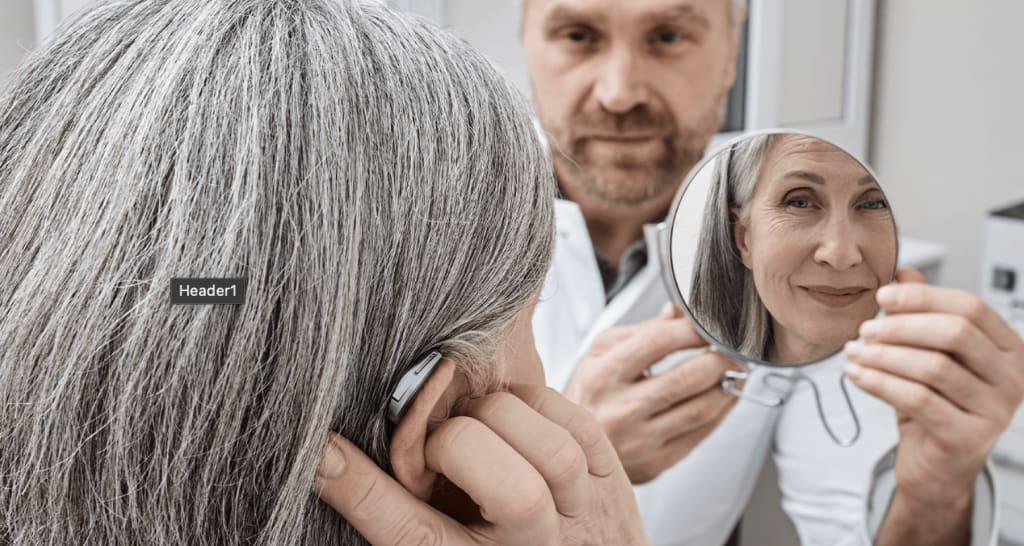
Between managing medications, coordinating doctor appointments, helping with daily activities, and providing emotional support, caregivers have a lot on their plates.
But what happens when hearing loss enters the picture? Suddenly, even simple conversations become frustrating. Miscommunications multiply. Both you and your loved one might feel isolated, stressed, and exhausted.
The good news? Between captioned phones and hearing aids, there are a ton of great tools to improve your loved one’s hearing, strengthen connections, reduce stress, and make caregiving more manageable.
Understanding the Communication Challenge
Communication is the foundation of good caregiving. You need to discuss medication schedules, understand your loved one's health concerns, and share meals and memories. When hearing loss interferes, these essential conversations become difficult or even impossible.
Many caregivers report feeling frustrated when they have to repeat themselves multiple times. Seniors with hearing loss often feel embarrassed, isolated, or even accused of "not listening" when they simply can't hear properly.
Communication challenges can also affect the emotional well-being of everyone involved. Untreated hearing loss in seniors has been tied to an increased risk of depression, social isolation, and even cognitive decline.
For caregivers, the constant strain of communication difficulties adds to an already demanding role. Addressing hearing challenges will help maintain the quality of life and emotional health for both caregivers and their loved ones.
Captioned Phones: Making Every Conversation Clear
One of the simplest yet most effective tools for caregivers is the captioned phone. These specialized phones are designed specifically for those with hearing loss. As the caller speaks, their words are displayed as captions on an attached screen.
Your loved one can both listen and read along, helping them understand and follow what's being said. It makes conversations easier, allowing seniors to feel less stressed and more connected. Users can also go back and re-read past conversations just to make sure that they haven’t missed anything important.
Hearing Aids: The Foundation of Better Communication
Modern hearing aids have come a long way from the bulky devices of the past. Today's hearing aids are small, sophisticated, and remarkably effective at helping people hear clearly in various situations.
For caregivers, encouraging a loved one to get properly fitted hearing aids can be life-changing. Your loved one can participate in gatherings instead of sitting quietly on the sidelines. They're more likely to notice important sounds, such as doorbells, timers, or safety alarms. Most importantly, they maintain their independence and dignity because they can communicate effectively with others.
Hearing Amplifier Devices: Affordable Help for Specific Situations
A hearing amplifier can make sounds louder without the customization and cost of prescription hearing aids. While they're not meant to replace hearing aids for people with significant hearing loss, they can be useful tools in a caregiver's toolkit.
A hearing amplifier might help during one-on-one conversations, while watching television together, or in quiet settings where a little extra volume makes a difference. Some personal amplifiers come with headphones that seniors can wear during conversations, making it easier to hear without disturbing others or requiring you to speak loudly.
While these devices are generally more affordable and accessible than hearing aids, they do have limitations. Think of amplifiers as a helpful bridge or supplement rather than a complete solution. For certain levels of hearing loss, professionally fitted hearing aids provide much better results.
Assistive Listening Apps: Technology in Your Pocket
Thanks to specialized apps, smartphones have become powerful assistive listening tools for people with hearing challenges. Some apps provide live transcription of conversations, displaying text on the screen as people speak, similar to captioned phones but for in-person conversations.
Others filter out background noise, or even translate speech into different languages. Many of these apps are free or very inexpensive, making them accessible to most caregivers and families.
The key is finding apps that match your loved one's comfort level with technology. Start simple, practice together, and gradually explore features that make communication easier. Many seniors surprise themselves with how quickly they adapt to helpful technology when they see real benefits in their daily lives.
Other Tools That Support Communication and Connection
Beyond the main technologies, there are several other tools that can help caregivers and seniors stay connected, such as:
Vibrating alarm clocks
- Flashing doorbells and phone ringers
- Closed-captioning on televisions
- Video calling platforms like FaceTime, Zoom, or Skype
The Emotional Benefits of Better Communication
While it is easy to see the practical benefits of these devices, don’t underestimate the emotional impact. When communication improves, relationships strengthen. Seniors feel more included, valued, and connected to their families. Caregivers experience less frustration and more meaningful interactions with their loved ones.
Social isolation is a serious concern for seniors, especially those with hearing loss who may withdraw from conversations and activities they can't fully participate in. By using technology to bridge communication gaps, caregivers help their loved ones stay engaged with the world around them. This engagement supports mental health, cognitive function, and overall well-being.
For caregivers themselves, reducing communication strain means less stress and more energy for other aspects of care. When you're not constantly worrying that important information didn't get through, you can focus on quality time and emotional connection instead.
Taking the First Step
If you're caring for a loved one with hearing challenges, start by having an honest conversation about how technology might help. You might also want to visit an audiologist together to understand the extent of hearing loss and explore appropriate solutions.
Remember, adopting new technology takes time and patience. Your loved one might feel resistant at first, especially if they're uncomfortable admitting they need help or worried about complicated devices. Approach these conversations with compassion, emphasizing how technology will help you stay connected and make both of your lives easier.
Caregiving is challenging work, but with the right tools and support, it can also be deeply rewarding. By embracing hearing technology, you can make everyone feel more comfortable and connected.
About the Creator
Emily Keiper
I am a product leader at ClearCaptions. Deep experience in telephony, captioning, wellness, and connected devices, with a focus on how technology can enhance independence and quality of life.
Keep reading
More stories from writers in Families and other communities.
Wise~Guys
— Look Behind what's in Front of You ~ Make Good Choices — Hey, So how you Doin'..! Made~Men — Mobster Movies romanticise a distinctive, elegant appearance, impeccable attire style, along with the 'Families' expressive lingo. Making their 'Bones' gave them Panache — with vintage fedoras, tailored pin-striped suits, mirror-polished wing-tip shoes adorned with tassels; with their 'Gun Moll' gorgeous dates on their arms.
By Jay Kantor17 days ago in Families




Comments