
Breathing easy with a smart air monitor
Read this article to learn more...
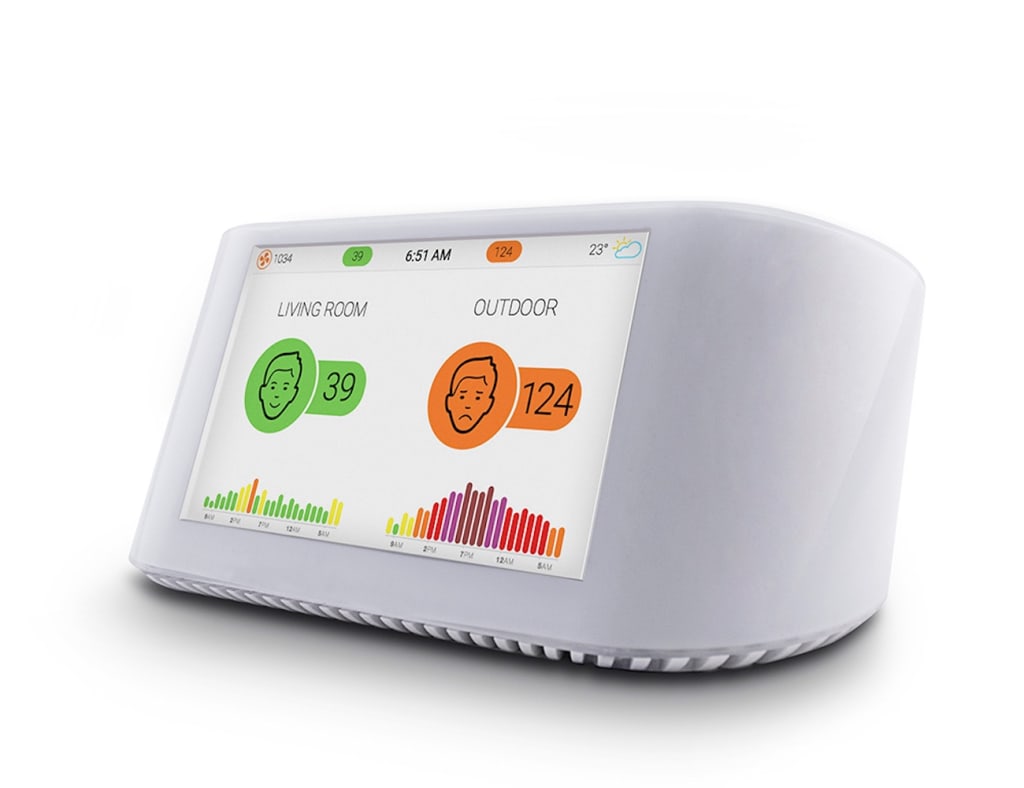
Welcome to the world of smart air monitors! With technology becoming more and more advanced, these devices are revolutionizing the way people monitor the air quality in their homes. Smart air monitors allow you to easily measure and track air pollution levels in your home. They can provide valuable data that can help you make smarter decisions when it comes to improving the air quality in your home. In this blog post, we’ll take a closer look at how these smart air monitors work and how they can help you breathe easier.
1) What is a smart air monitor and how does it work?
A smart air monitor is a device that tracks the air quality of a specific area or room. It measures several factors that contribute to air quality, such as temperature, humidity, and levels of pollutants like dust, pollen, and volatile organic compounds (VOCs).
Smart air monitors typically use sensors to detect and measure these factors, and then transmit the data to an app on your smartphone or tablet. Some models also have a built-in display that shows real-time data and alerts you to any changes in air quality.
By tracking air quality, a smart air monitor can help you identify any potential health hazards or environmental factors that may be impacting your well-being. For example, high levels of dust or pollen may trigger allergies or asthma, while VOCs can cause headaches, nausea, or dizziness.
Overall, a smart air monitor can give you a better understanding of the air you're breathing and help you make informed decisions to improve your indoor environment.
2) Benefits of using a smart air monitor
The benefits of using a smart air monitor are numerous, making it an essential investment for anyone who wants to ensure that they are breathing in clean air. Some of the benefits of using a smart air monitor include:
1. Improved indoor air quality: A smart air monitor can detect and measure pollutants, such as volatile organic compounds (VOCs), carbon dioxide, and particulate matter, in the air. This can help you identify the sources of pollution and take measures to improve indoor air quality.
2. Early warning system: A smart air monitor can alert you to any changes in the air quality, allowing you to take action before the problem becomes more severe.
3. Peace of mind: A smart air monitor can give you peace of mind knowing that you and your family are breathing in clean, healthy air.
4. Cost-effective: Investing in a smart air monitor is a cost-effective way to protect your health and the health of your family. It can help you identify sources of pollution, allowing you to take corrective action, which can save you money in the long run.
Overall, using a smart air monitor can provide numerous benefits, from improving indoor air quality to providing an early warning system and peace of mind. It is a valuable investment that can help you and your family breathe easier.
3) Top features to look for in a smart air monitor
When it comes to choosing a smart air monitor, there are certain features that you should consider to ensure you get the best possible device. Here are some of the top features to look for:
1. Air quality indicators: A good smart air monitor should provide real-time data on air quality levels, including particulate matter, temperature, and humidity.
2. Wireless connectivity: The monitor should connect to Wi-Fi so you can easily access and view the data on your smartphone or other devices.
3. Easy-to-read display: The display should be clear and easy to read so that you can quickly interpret the information being displayed.
4. Compatibility with smart home devices: A monitor that works with smart home devices like Amazon Alexa or Google Home can give you even greater control over your indoor air quality.
5. Alerts and notifications: The monitor should provide alerts and notifications when air quality levels reach certain thresholds so that you can take action to improve the air quality.
By choosing a smart air monitor with these features, you can take control of your indoor air quality and breathe easy knowing that you have all the information you need to make informed decisions about the air you breathe.
4) Comparison of popular smart air monitors on the market
There are numerous smart air monitors available on the market today, each offering unique features and capabilities. Here's a comparison of some of the most popular models:
1. Awair Glow C - This smart air monitor not only tracks air quality but also acts as a smart plug, allowing users to control other devices plugged into it. It tracks five key air quality metrics and provides personalized recommendations to improve air quality.
2. Dyson Pure Hot+Cool - This is a premium smart air monitor that offers three functions in one device. It is an air purifier, heater, and fan, all controlled through an app. It can detect and capture pollutants as small as 0.3 microns.
3. Nest Protect - This is a smart smoke and carbon monoxide detector that also tracks air quality. It provides alerts on air quality changes and can be controlled through a mobile app.
4. Foobot - This smart air monitor provides real-time readings and sends alerts when air quality changes. It can also control smart home devices and integrate with other smart systems like Amazon Echo and Nest.
5. Netatmo Weather Station - This device provides indoor and outdoor air quality readings and weather information. It also provides personalized advice on how to improve air quality.
When choosing a smart air monitor, consider your specific needs and budget. All of these devices are effective at tracking air quality and offering suggestions to improve it.
5) Tips for maintaining and getting the most out of your smart air monitor
Here are some tips for optimizing your smart air monitor:
1. Calibrate regularly for accuracy.
2. Place it strategically for representative data.
3. Clean and dust sensors frequently.
4. Monitor battery life to avoid interruptions.
5. Update firmware for improved performance.
6. Analyze long-term data trends.
7. Compare data with other reliable sources.
8. Act on the data to improve air quality.
9. Share data with online communities.
10. Follow manufacturer's maintenance guidelines.
6) Real-life success stories from smart air monitor users
One real-life success story from a smart air monitor user involves a family with a young son who had asthma. By using the monitor's data to identify and address indoor pollutants, they improved the boy's health significantly. With better ventilation and pollutant removal, asthma attacks reduced, leading to a healthier and happier family overall.
If you want to see my number #1 smart air monitor on amazon click here
About the Creator
Maarten Dirkx
I write blogs to help you with important things in life.
Keep reading
More stories from Maarten Dirkx and writers in Families and other communities.
Quench Your Thirst: The Benefits of Hydrating with a Water Bottle
Staying hydrated is essential to maintaining a healthy lifestyle and one of the best ways to do this is by having a water bottle on hand. Drinking enough water each day is important for your overall health, so it's important to find the best way to stay hydrated. Having a water bottle to take with you wherever you go can be an easy and convenient way to make sure that you are getting the recommended two liters of water per day. In this blog post, we will look at the benefits of hydrating with a water bottle and discuss why it is the best way to stay hydrated.
By Maarten Dirkx3 years ago in Education
Wise~Guys
— Look Behind what's in Front of You ~ Make Good Choices — Hey, So how you Doin'..! Made~Men — Mobster Movies romanticise a distinctive, elegant appearance, impeccable attire style, along with the 'Families' expressive lingo. Making their 'Bones' gave them Panache — with vintage fedoras, tailored pin-striped suits, mirror-polished wing-tip shoes adorned with tassels; with their 'Gun Moll' gorgeous dates on their arms.
By Jay Kantor30 days ago in Families




Comments
There are no comments for this story
Be the first to respond and start the conversation.