
Book Review: Good Inside
A Guide to Becoming the Parent You Want to Be
Introduction
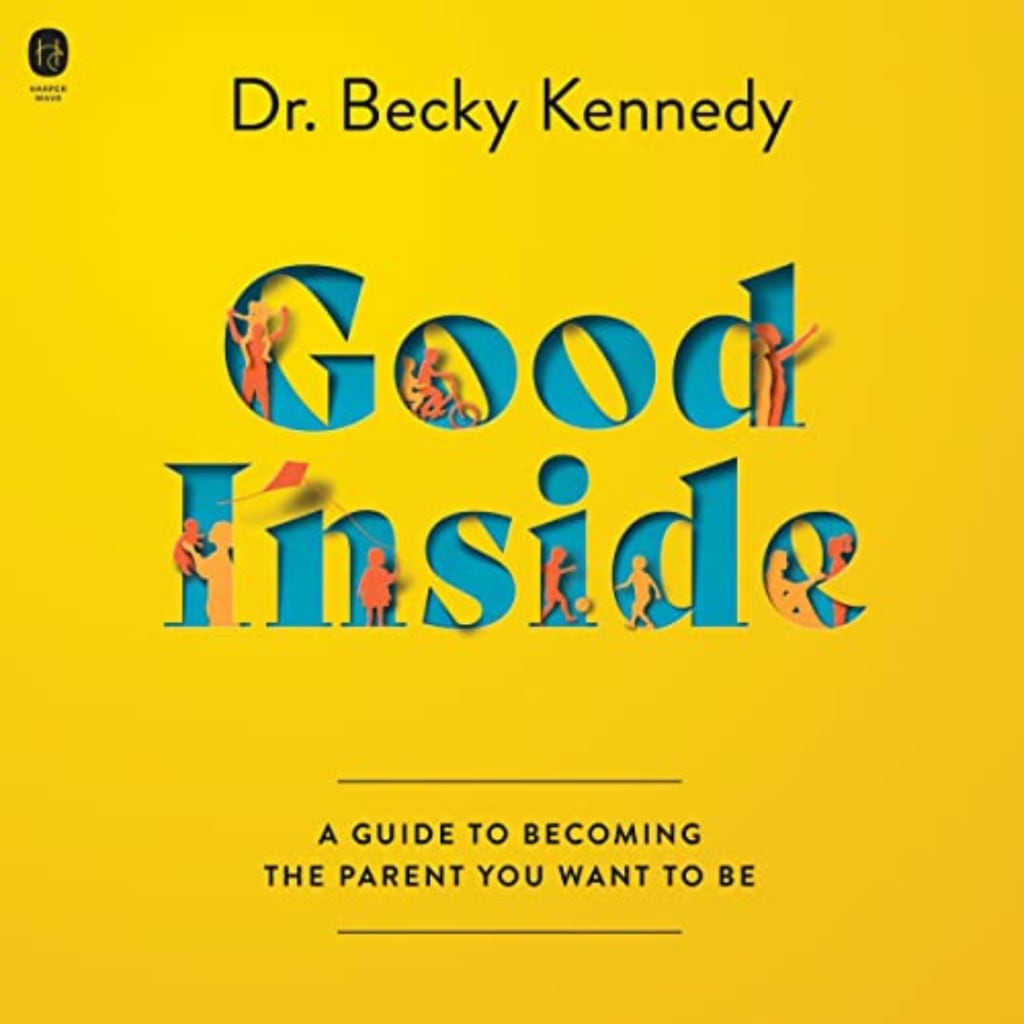
Good Inside: A Guide to Becoming the Parent You Want to Be by Dr. Becky Kennedy is a groundbreaking book in the realm of modern parenting. Dr. Becky, a clinical psychologist, became widely known for her parenting philosophy rooted in the idea that all children are inherently “good inside.” Her approach focuses on compassion, empathy, and understanding both the child and the parent, as opposed to punishment or harsh discipline. The book's goal is to help parents raise emotionally healthy children while also nurturing their own emotional well-being as caregivers.
Dr. Becky emphasizes that when parents understand their children's challenging behaviors as expressions of unmet needs or emotions, they can approach parenting with more empathy and less guilt. The central message is that all humans—children included—are "good inside," even when their behaviors are difficult to handle. Parents are encouraged to work on their own self-regulation and emotional health, which will, in turn, allow them to parent more effectively and kindly.
Chapter 1: The Good Inside Framework
The first chapter introduces Dr. Becky’s core philosophy: every child is “good inside,” no matter how problematic or confusing their behavior might seem. She argues that many traditional parenting approaches focus on external behavior management—rewarding good behavior and punishing bad behavior—without addressing the root causes of why children act the way they do.

Key concepts include:
Inherent goodness: All children have inherent worth and are not defined by their actions.
Behavior as communication: Challenging behaviors are a way for children to express unmet needs or unresolved emotions.
Parental mindset shift: Parents need to approach their children with empathy and curiosity rather than judgment or frustration.
This chapter sets the stage for a new, compassionate way of parenting, where the focus shifts from “fixing” the child’s behavior to understanding it.
Chapter 2: Self-Regulation for Parents
This chapter emphasizes the importance of parental self-regulation. Dr. Becky argues that in order to parent effectively, parents need to manage their own emotions first. Children often mirror the emotional states of their caregivers, so staying calm during difficult moments is essential.
Key takeaways include:
Self-regulation techniques: Deep breathing, mindfulness, and pausing before reacting.
Modeling calm: When parents demonstrate emotional regulation, children learn to do the same.
Breaking generational patterns: Many parents repeat behaviors they learned from their own upbringing. This chapter encourages parents to reflect on their emotional reactions and make conscious changes.
This chapter offers practical tools for emotional self-care, so that parents can stay calm and focused even during tantrums or other stressful situations.
Chapter 3: Understanding Challenging Behaviors
Here, Dr. Becky explores the reasons behind challenging behaviors in children, including tantrums, defiance, and whining. Instead of seeing these behaviors as intentional defiance or manipulation, she encourages parents to view them as expressions of unmet needs or emotional dysregulation.
Important concepts include:
Needs behind behaviors: For example, a tantrum might indicate a child is feeling overwhelmed, tired, or disconnected.
Emotional labeling: Helping children name and understand their emotions can reduce their reliance on challenging behaviors.
Empathy and connection: Rather than punishing bad behavior, Dr. Becky suggests responding with empathy and helping the child feel understood.
The chapter offers strategies to decode children’s behavior and meet their underlying emotional needs, promoting more peaceful and connected family dynamics.

Chapter 4: Repairing Mistakes as a Parent
Parenting is challenging, and mistakes are inevitable. In this chapter, Dr. Becky highlights the importance of repair after a parent loses their temper or makes a mistake. Repairing relationships is key to maintaining trust and emotional safety between parent and child.
Key strategies include:
Admitting mistakes: Parents should acknowledge when they’ve made a mistake without feeling ashamed. This models accountability for children.
Apologies and reconciliation: Teaching children that relationships can be mended and mistakes are a part of life.
Building resilience through repair: By showing that mistakes can be fixed, parents help children build emotional resilience.
This chapter reassures parents that it’s not about being perfect, but about being accountable and showing children how to navigate conflicts in healthy ways.
Chapter 5: Boundaries and Discipline Without Punishment
This chapter focuses on the balance between setting firm boundaries and avoiding punitive measures. Dr. Becky advocates for discipline that is rooted in guidance and teaching, rather than punishment and shame.
Key points include:
Firm but kind boundaries: Boundaries provide children with structure and security, but they should be enforced with empathy, not harshness.
Natural consequences: Teaching children that their actions have consequences without the need for punishment.
Positive discipline: Redirecting behavior rather than punishing it, and offering choices that empower the child.
The goal is to discipline in a way that teaches children responsibility while maintaining their dignity and reinforcing the belief that they are "good inside."
Chapter 6: Building Emotional Resilience
Dr. Becky emphasizes the importance of teaching children how to manage their emotions and develop emotional resilience. This chapter provides tools for helping children work through their feelings and build emotional strength.
Key strategies include:
Emotional coaching: Helping children name their feelings and process them in a healthy way.
Teaching coping skills: Introducing techniques such as deep breathing, counting, or taking a break to manage strong emotions.
Normalizing all emotions: Helping children understand that all emotions, even difficult ones, are valid and part of the human experience.
The chapter reinforces the idea that emotional resilience comes from learning how to navigate feelings, not avoid them.

Chapter 7: Encouraging Independence and Confidence
In this chapter, Dr. Becky talks about fostering independence in children by allowing them to take risks and learn from their experiences. Parents are encouraged to offer support while giving children the space to solve problems on their own.
Key concepts include:
Risk-taking and learning: Allowing children to try new things, even if they might fail, builds confidence.
Promoting problem-solving skills: Encouraging children to think through challenges and find solutions.
Building self-trust: Helping children develop trust in their own abilities through supportive but not overbearing parenting.
The chapter emphasizes that independence is key to building confident, capable adults.
Chapter 8: Navigating Big Transitions
Life is full of transitions—starting school, moving, the arrival of a sibling—that can be challenging for children. This chapter provides guidance on how to support children through these major life changes.
Important points include:
Preparation and communication: Letting children know about changes in advance and explaining what to expect.
Maintaining routines: Offering stability during periods of change through consistent routines.
Acknowledging emotions: Helping children process their feelings about transitions, including anxiety or sadness.
Dr. Becky offers tips for making transitions smoother and less overwhelming for children.
Chapter 9: Parenting Yourself
In this final chapter, Dr. Becky turns the focus back to the parents, discussing the importance of self-compassion. Parenting is one of the hardest jobs, and it’s vital that parents offer themselves the same kindness and understanding that they give their children.
Key takeaways include:
Self-compassion practices: Techniques for being kind to yourself when parenting feels overwhelming.
Reflecting on your own childhood: Understanding how your upbringing impacts your parenting style.
Embracing imperfection: Recognizing that there is no such thing as a perfect parent, and that mistakes are part of the journey.
Dr. Becky encourages parents to take care of their own emotional needs so they can be more present and available for their children.
Conclusion:
Good Inside provides a refreshing approach to parenting that focuses on empathy, emotional regulation, and the inherent goodness of every child. Dr. Becky Kennedy offers parents practical tools to navigate the challenges of raising children while fostering healthy emotional connections. The core message of the book is that parenting is not about perfection, but about building strong, trusting relationships based on understanding and respect. By embracing this mindset, parents can raise confident, resilient children while also nurturing their own emotional health.
**Affiliate Disclosure** Some of the links in this article are affiliate links, which means I may earn a commission if you click on the link or make a purchase using the link. This comes at no additional cost to you, and it helps support the content I create. I only recommend products or services I believe will add value to my audience
About the Creator
Keep reading
More stories from William D Smith and writers in Families and other communities.
Book Review: The Total Money Makeover Updated and Expanded
Introduction: The Total Money Makeover: Updated and Expanded by Dave Ramsey is a straightforward and practical guide for individuals looking to take control of their financial lives. Ramsey, a well-known financial expert and radio host, presents a plan that emphasizes debt elimination, disciplined saving, and long-term wealth building. Unlike many financial books that delve into complex strategies, Ramsey’s approach is simple, actionable, and grounded in common sense. His method, known as the "Baby Steps," helps people transition from financial distress to financial peace by focusing on eliminating debt and building a strong financial foundation.
By William D Smithabout a year ago in BookClub
Wise~Guys
— Look Behind what's in Front of You ~ Make Good Choices — Hey, So how you Doin'..! Made~Men — Mobster Movies romanticise a distinctive, elegant appearance, impeccable attire style, along with the 'Families' expressive lingo. Making their 'Bones' gave them Panache — with vintage fedoras, tailored pin-striped suits, mirror-polished wing-tip shoes adorned with tassels; with their 'Gun Moll' gorgeous dates on their arms.
By Jay Kantor23 days ago in Families
What If I Am the Victim
There is a moment many of us reach after deep self-reflection. You ask yourself hard questions. You examine your behavior. You wonder if you are the problem. And after all that honesty, another thought quietly appears. What if I am actually the victim
By Eunice Kamau4 days ago in Families




Comments
There are no comments for this story
Be the first to respond and start the conversation.