
Blood Ties or Bond Lies? What Animals Can Teach Us About Family
Are humans any better at keeping family bonds than the animal kingdom? Let’s find out

Is Family Really Everything?
“Blood is thicker than water” is a phrase we’ve all heard, but is it true? Humans glorify familial bonds, often claiming that genetics guarantee loyalty, love, and support. But if that’s the case, why do estranged families exist? Why do we sometimes feel closer to friends than blood relatives? And what happens when we compare ourselves to animals, whose family dynamics often seem dictated by instinct?
Understanding the truth about family—whether human or animal—requires us to rethink what truly binds us. Is it genetics, shared experiences, or emotional choice? Let’s dive into the fascinating parallels and differences between human and animal families to see if “blood ties” are as unbreakable as we think.
Humans: More Than DNA
Humans often associate family with unconditional love and loyalty. Yet, life doesn’t always work that way. Many people experience betrayal, neglect, or even estrangement from their closest relatives. This reality shows that family isn’t guaranteed by biology—it’s shaped by connection and effort.
Psychological studies reveal that emotional bonds, rather than DNA, define human relationships. British psychologist John Bowlby’s attachment theory emphasizes the importance of emotional safety over genetics. We bond with those who provide care, trust, and stability—whether or not they’re biologically related.
Adoption and chosen families further highlight this idea. Many individuals find deeper connections with friends, mentors, or partners than with their blood relatives. Modern society increasingly values these chosen bonds, proving that loyalty and love can transcend DNA.
But if humans rely on choice, how do animals approach family?
Animals: Family or Survival Strategy?
In the animal kingdom, family often revolves around survival. Mothers protect their young, ensuring their genes are passed down. Yet, some animals exhibit emotional behaviors that go beyond mere biology.
Take elephants, for example. These intelligent creatures form matriarchal herds where females remain bonded for life. Elephants mourn their dead, adopt orphaned calves, and comfort distressed members. Such behaviors suggest a deep emotional capacity—not just survival instincts.
Similarly, dolphins form complex social groups. They collaborate during hunts, protect injured peers, and even mourn lost members. These alliances often include non-relatives, highlighting the importance of trust and cooperation over genetic ties.
Chimpanzees, our closest relatives, also show nuanced family dynamics. While mothers form strong bonds with their offspring, chimps build friendships outside their kin groups. They cooperate strategically, forming alliances based on mutual benefit rather than blood.
Animals demonstrate that family bonds can be practical and emotional. Survival may be the foundation, but empathy and social connection elevate their relationships.
So, how do humans and animals differ in their understanding of family?
Humans vs. Animals: What Sets Us Apart?
The key difference lies in choice. Humans can redefine family through emotional bonds. While animals rely on biological ties and survival strategies, humans create connections based on shared values, experiences, and care.
This ability to choose expands our concept of family. Adoption, marriage, and friendships prove that we prioritize emotional closeness over genetic links. Chosen families, often more reliable than biological ones, reflect the freedom and complexity of human relationships.
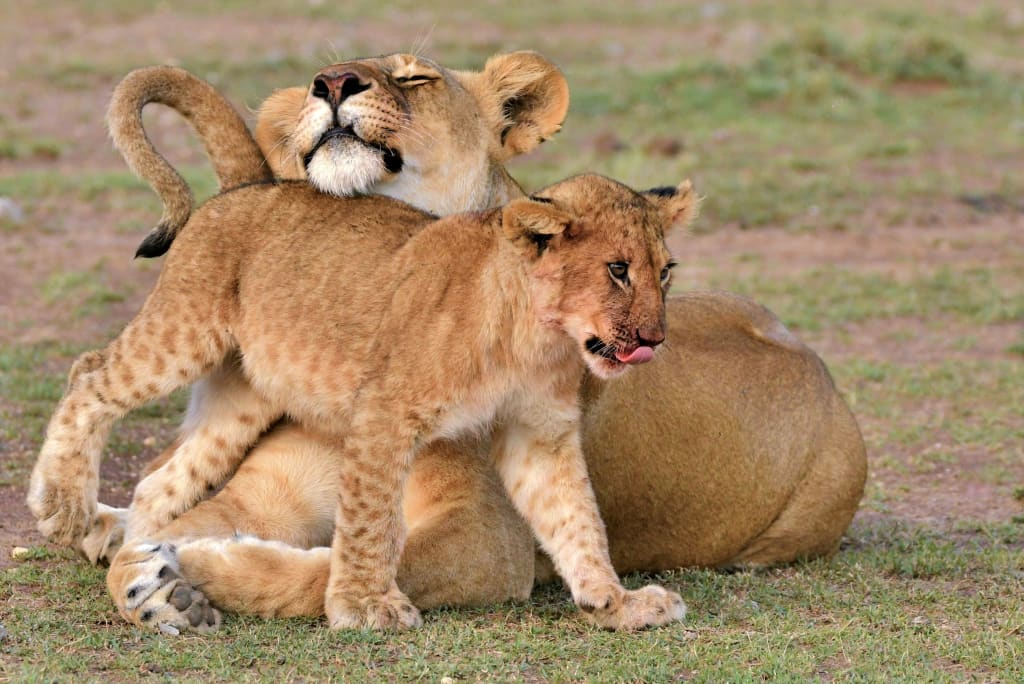
Animals, by contrast, rarely get this freedom. A lion’s pride, for instance, revolves around genetic and hierarchical roles. While lionesses bond with their cubs, their relationships remain practical. Wolves form packs led by alpha pairs, yet these structures primarily ensure survival rather than emotional fulfillment.
That said, animals exhibit altruism, showing care for non-relatives when it benefits the group. Wolves share food with weaker pack members, and certain bird species adopt unrelated chicks. This behavior blurs the line between genetic obligation and social empathy.
If animals can care for non-kin, and humans form chosen families, what does this mean for the idea of “blood ties”?
The Myth of Blood Ties
The concept of “blood ties” has cultural and historical roots, but its power often fades under scrutiny. Genetics may connect us, but emotional bonds sustain relationships. Without trust, care, and effort, even the closest relatives can drift apart.
Many cultures romanticize family loyalty, yet research shows that emotional connection—not DNA—keeps families strong. Sociologists argue that humans thrive when they form supportive, meaningful relationships, whether with relatives or chosen loved ones.
The rise of chosen families highlights a shift in values. In many modern societies, individuals prioritize relationships that align with their needs and beliefs over traditional obligations. This flexibility strengthens emotional well-being, offering a sense of belonging that isn’t bound by biology.
Animals, too, challenge the “blood ties” myth. Altruistic behaviors among unrelated animals prove that survival and empathy coexist. Both humans and animals show that bonds rely more on action than genetics.
So, what lessons can humans learn from animals about family?
Lessons from the Animal Kingdom
Animals remind us that family isn’t always about who we’re born to—it’s about who we care for. Elephants, dolphins, and wolves prioritize trust, collaboration, and empathy, even beyond their kin. Humans can adopt this mindset by valuing actions over titles.
If a friend offers more support than a sibling, or a mentor feels like a parent, those bonds deserve recognition. By redefining family based on emotional closeness, we embrace a more authentic and fulfilling life.
Animals also teach us the importance of community. From lion prides to dolphin pods, social bonds strengthen survival. Humans, too, thrive when they build supportive networks, proving that connection—whether chosen or biological—is essential for well-being.
Conclusion: Redefining Family
“Blood ties” may connect us, but they don’t define us. Whether human or animal, family bonds thrive on trust, care, and choice. Genetics create a foundation, but emotional connections build the house.
Both humans and animals demonstrate that family isn’t about biology—it’s about loyalty, empathy, and shared experiences. By looking to the animal kingdom, we see that actions speak louder than DNA.
So, the next time someone says “blood is thicker than water,” remember: family is what we make it. Whether it’s bonded by blood, love, or loyalty, the heart always decides who truly belongs.
About the Creator
Alain SUPPINI
I’m Alain — a French critical care anesthesiologist who writes to keep memory alive. Between past and present, medicine and words, I search for what endures.
Keep reading
More stories from Alain SUPPINI and writers in Families and other communities.
Mastering French Without Losing Your Sanity: A Realistic Guide for Beginners
Learning French can feel like solving a Rubik’s Cube blindfolded. The tricky pronunciation, the never-ending grammar rules, and the surprising exceptions make it seem impossible. But don’t worry—equipping yourself with key expressions and effective strategies can turn frustration into fluency. Let’s simplify French and make learning enjoyable.
By Alain SUPPINIExclusive • 11 months ago
Wise~Guys
— Look Behind what's in Front of You ~ Make Good Choices — Hey, So how you Doin'..! Made~Men — Mobster Movies romanticise a distinctive, elegant appearance, impeccable attire style, along with the 'Families' expressive lingo. Making their 'Bones' gave them Panache — with vintage fedoras, tailored pin-striped suits, mirror-polished wing-tip shoes adorned with tassels; with their 'Gun Moll' gorgeous dates on their arms.
By Jay Kantor19 days ago in Families
Silver Screen Magic with Mae West
American actress and singer Mae West became a popular film actress during the Great Depression. She started entertaining in vaudeville, then performed on Broadway, and finally went to Hollywood. She signed up with Paramount Pictures and made her debut in the 1932 film “Night After Night.” She also starred in musicals, comedies, and crime dramas. The American Film Institute named her one of the best classic Hollywood actresses.
By Rasma Raisters6 days ago in Geeks




Comments
There are no comments for this story
Be the first to respond and start the conversation.