
Best Products for Getting Mould Out of Fabric
Top-Rated Products to Effectively Remove Mould from Fabrics

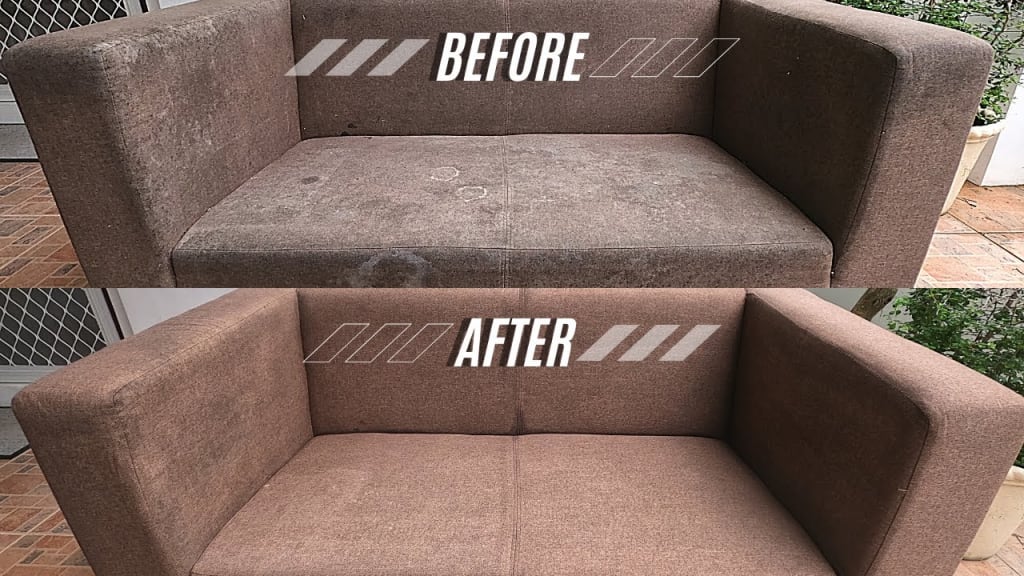
Mould can be a major problem when it finds its way into fabric, whether it’s your clothes, curtains, or furniture. The musty smell, unsightly stains, and health risks associated with mould make it something you want to get rid of as quickly and safely as possible. Luckily, there are plenty of products designed to remove mould from fabric without causing damage.
In this guide, we'll look at the best products to remove mould from fabric, including options for those who prefer to avoid using harsh chemicals like bleach. Whether you're dealing with mould on clothes, upholstery, or other fabric items, this article will show you how to kill mould on fabric safely and effectively.
Why Mould Grows on Fabric
Before diving into the best products to remove mould, it's important to understand why mould grows on fabric in the first place. Mould thrives in damp, humid environments and can develop when fabrics are exposed to moisture for long periods. Common causes of mould on fabric include:
- Leaving damp clothes in laundry baskets or washing machines for too long.
- Storing fabric items in humid spaces, such as basements or bathrooms.
- Spills or leaks on fabric furniture that aren’t properly dried.
Once mould starts to grow, it can spread quickly, leaving dark stains and a strong odor. Prompt action is essential to get mould out of fabric before it causes permanent damage.
Best Products for Kill Mould on Fabric
There are many products available that can effectively kill mould on fabric and remove stains and odors. Some are natural remedies, while others are commercial products designed specifically for mould removal. Here’s a breakdown of the best options suggest by professional couch cleaning experts to consider:
1. White Vinegar
White vinegar is one of the most popular and effective natural remedies for getting mould out of fabric. It's an eco-friendly and non-toxic solution that’s safe to use on most fabrics.
- How to use it: Pour undiluted white vinegar directly onto the mouldy area of the fabric or spray it using a bottle. Let the vinegar sit for an hour to break down the mould, then wash the fabric in hot water.
- Why it works: The acetic acid in vinegar kills mould spores, removes the musty smell, and doesn’t damage the fabric.
- Best for: Clothes, towels, bedding, and other machine-washable fabrics.
Vinegar is an excellent option if you want to remove mould from fabric furniture without bleach, as it won’t harm the upholstery.
2. Baking Soda
Baking soda is another natural product that works well for removing mould from fabric. It’s especially good at neutralizing odors, making it a great choice if your fabric has a strong mouldy smell.
- How to use it: Mix baking soda with water to form a paste, and apply it to the mouldy areas of the fabric. Let it sit for 30 minutes, then scrub gently with a soft brush. Afterward, wash the fabric in hot water.
- Why it works: Baking soda is a mild abrasive that helps lift mould and stains from fabric, while its natural deodorizing properties eliminate unpleasant smells.
- Best for: Machine-washable fabrics and upholstery.
Baking soda can also be added to the wash cycle as an extra boost when laundering mouldy clothes or linens.
3. Tea Tree Oil
Tea tree oil is a powerful antifungal and antibacterial essential oil that’s known for its ability to kill mould on fabric. Although it’s more expensive than vinegar or baking soda, it’s highly effective at eliminating mould and preventing it from returning.
- How to use it: Mix 1 teaspoon of tea tree oil with 1 cup of water in a spray bottle. Spray the solution onto the mouldy fabric and let it sit for an hour. You can then wipe it off or wash the fabric in hot water.
- Why it works: Tea tree oil’s antifungal properties make it effective at killing mould and preventing future growth, making it ideal for long-term mould prevention.
- Best for: Clothes, bedding, and fabric furniture.
Tea tree oil has a strong scent, so it’s a good idea to test it on a small area first to ensure it doesn’t affect the fabric’s color or smell.
4. Borax
Borax is a natural cleaning agent that can be used to remove mould from fabric and other household surfaces. It’s commonly used in laundry detergents and is effective at killing mould spores on contact.
- How to use it: Dissolve ½ cup of borax in hot water, then add the solution to your washing machine along with your regular detergent. Wash the mouldy fabric on the hottest setting possible.
- Why it works: Borax kills mould by altering its pH balance, making it impossible for the mould to survive. It also helps remove mould stains and odors.
- Best for: Machine-washable items like clothes, towels, and linens.
Borax can be a bit harsh on delicate fabrics, so it’s best to avoid using it on sensitive materials like silk or wool.
5. Hydrogen Peroxide
Hydrogen peroxide is another non-toxic solution that works well for mould removal. It’s a mild antiseptic and bleaching agent, making it useful for getting mould out of white or light-colored fabrics.
- How to use it: Apply 3% hydrogen peroxide directly to the mouldy area, let it sit for 10–15 minutes, then wash the fabric in warm water. You can also mix hydrogen peroxide with water in a spray bottle for larger items.
- Why it works: Hydrogen peroxide kills mould by breaking down its cell structure, while also helping to lighten any mould stains on fabric.
- Best for: White or light-colored clothing, towels, and fabric furniture.
Because hydrogen peroxide has a slight bleaching effect, it’s a good idea to test it on a small, hidden area of colored fabric before applying it to the entire mouldy area.
Best Commercial Mould Removers
If you prefer using a ready-made product, there are several commercial mould removers designed specifically for fabric. These products are highly effective at removing mould, stains, and odors, often in just one application. Here are a few of the top options:
1. RMR-86 Instant Mold and Mildew Stain Remover
RMR-86 is a powerful mould remover that’s designed to quickly eliminate mould stains on fabric, upholstery, and other surfaces. It doesn’t require scrubbing, making it a convenient option for tough mould problems.
- How to use it: Spray the product directly onto the mouldy area and let it sit for a few minutes. There’s no need to scrub—the mould stains should disappear on their own. Afterward, wash the fabric as usual.
- Why it works: RMR-86 contains strong cleaning agents that break down mould stains instantly.
- Best for: Fabric furniture, upholstery, and outdoor fabric items.
2. Concrobium Mold Control
Concrobium Mold Control is a versatile product that works by crushing mould spores and preventing new growth. It’s safe to use on fabric, and it doesn’t contain any bleach or harmful chemicals.
- How to use it: Spray the product directly onto the mouldy area and allow it to dry. The product will kill the mould spores and prevent them from returning.
- Why it works: Concrobium works by forming a protective layer on the fabric that prevents future mould growth, making it ideal for both cleaning and prevention.
- Best for: Clothes, fabric furniture, curtains, and bedding.
3. EcoClean Solutions Mold, Mildew & Algae Remover
EcoClean Solutions is an eco-friendly mould remover that’s designed to tackle mould, mildew, and algae on a variety of surfaces, including fabric. It’s a non-toxic, bleach-free solution, making it a safe choice for homes with children and pets.
- How to use it: Spray the product onto the affected fabric and let it sit for 10–15 minutes. Then scrub the area with a soft brush before washing the fabric.
- Why it works: EcoClean uses a plant-based formula to break down mould and remove stains without the use of harsh chemicals.
- Best for: Clothes, fabric furniture, and outdoor fabric items.
How to Remove Mould from Fabric Furniture Without Bleach
For fabric furniture, it's especially important to avoid harsh chemicals like bleach, as they can discolor or damage the upholstery. Here’s how to remove mould from fabric furniture without bleach, using some of the best natural and commercial products available:
Vacuum the Area: Start by vacuuming the mouldy area with a vacuum that has a HEPA filter. This will remove loose mould spores from the fabric’s surface.
Apply a Natural or Commercial Product: Choose one of the products mentioned above—like white vinegar, baking soda, or a commercial spray like RMR-86 or Concrobium—and apply it to the mouldy fabric. Let the solution sit for 10–15 minutes.
Scrub Gently: Use a soft brush to gently scrub the mouldy area. Avoid scrubbing too hard, as this could damage the fabric.
Dry Thoroughly: Once you’ve treated the mould, make sure the fabric furniture dries completely. Place it in direct sunlight if possible, or use fans to speed up the drying process.
How to Prevent Mould on Fabric
After you’ve removed the mould, you’ll want to take steps to prevent it from returning. Here are a few tips to keep mould at bay:
- Keep fabrics dry: Always dry clothes, towels, and fabric furniture thoroughly after cleaning or use.
- Improve ventilation: Ensure proper airflow in rooms where fabrics are stored or used to prevent humidity buildup.
- Control humidity: Use a dehumidifier to keep indoor humidity levels below 50%, especially in basements or other damp areas.
Conclusion
Mould on fabric can be a challenge, but with the right products, it’s easy to remove. From natural solutions like vinegar and baking soda to powerful commercial mould removers, there are plenty of effective options to kill mould on fabric and prevent it from coming back. By following the tips in this guide, you’ll keep your clothes, furniture, and other fabric items fresh, clean, and mould-free.oducts for Getting Mould Out of Fabric
About the Creator
He Was a Teenager With a Bright Future
CHECK OUT MY EBOOKS COLLECTION By Soul on Fire LEAVIE SCOTT ST. LOUIS — In the sharp light of a July evening, a 52‑year‑old man stepped out of the Mel Carnahan Courthouse, paused, and placed a hand to his chest. He scanned a city that had grown up without him—glassier buildings, faster phones, different slang, a world that felt like a foreign country. His name was Christopher Dunn, and on July 30, 2024, after more than three decades behind bars for the 1990 killing of 15‑year‑old Ricco (Recco/Ricco) Rogers, a judge’s ruling and a prosecutor’s decision finally opened the door to his freedom.
By Organic Products 7 days ago in Families
The Call That Came at 2:17 AM
At exactly 2:17 AM, my phone rang. No one calls at 2:17 AM with good news. Half-asleep, I reached for my phone. The number was unknown. My heart started pounding. For a second, I thought of ignoring it… but something inside me whispered, Answer it.
By Imran Ali Shah2 days ago in Families
REEEEEEEEE!
I'm on a low road right now. There are a literal million things to do and not one of them worth my time. I would rather sit in place and burn but the orbit takes me on its inevitable route 'round the center; and I a center in my own right, around which others orbit, and so on and so forth, ad infinitum, ad nauseum.
By C. Rommial Butler4 days ago in Poets




Comments
There are no comments for this story
Be the first to respond and start the conversation.