
The Best Methods to Clean Sofa Stains Quickly
Fast and Effective Techniques to Remove Stubborn Sofa Stains

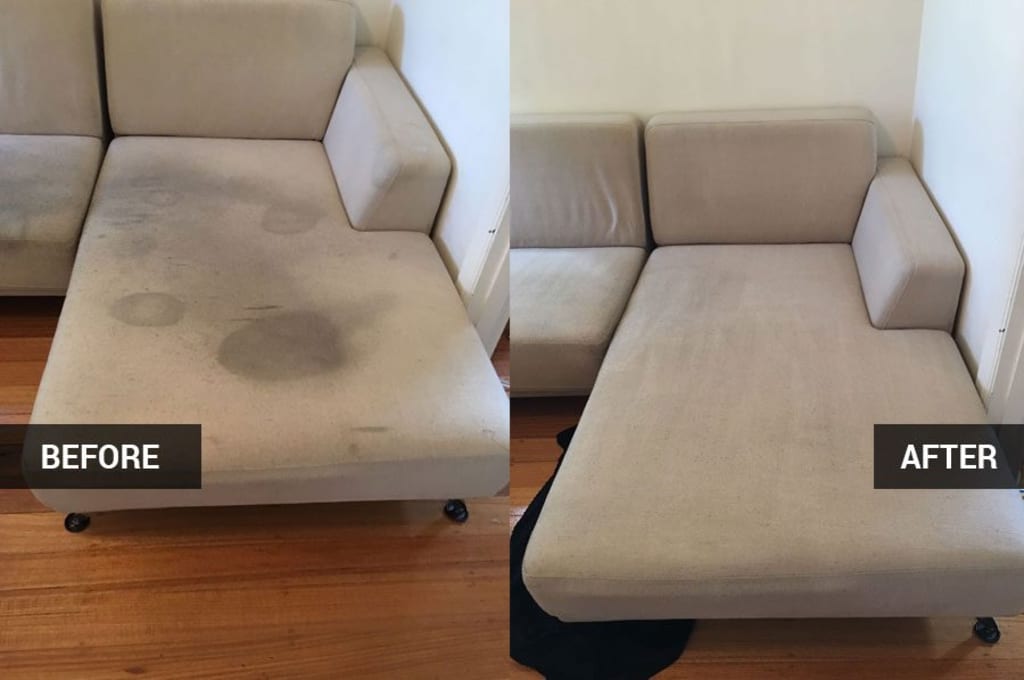
Your sofa is often the center of your home’s living space—a place where you relax, eat, and spend time with family and friends. But, with everyday use, it’s easy for spills and accidents to happen. Whether it’s food, drinks, or pet mishaps, your sofa can get stained quickly. Don’t worry! This guide will show you the best methods for how to clean sofa stains fast and effectively. We’ll cover common stains, tips for how to get stains out of fabric couches, and even tough ones like how to get blood out of upholstery.
By the end of this guide, you’ll know how to tackle any stain that comes your way and also learn when it’s time to consider professional couch cleaning services.
Understanding Your Sofa Fabric
Before jumping into the cleaning methods, it’s essential to know your sofa's fabric. Different materials require different cleaning techniques. Using the wrong cleaner can ruin the fabric or cause the stain to spread.
Here are common sofa fabrics and how they should be handled:
- Leather: Easy to clean but requires special care and cleaners to prevent damage.
- Microfiber: Stain-resistant, but harsh chemicals can cause watermarks or damage.
- Cotton: More prone to staining, but many household cleaners work well on cotton.
- Polyester: Durable and usually easy to clean but needs quick action to avoid stains setting in.
- Velvet: Delicate and luxurious, but it needs gentle cleaning techniques to avoid damaging the fabric.
Always check your sofa’s care tag. It will often have a cleaning code like W (water-based cleaners), S (solvent-based cleaners), or WS (either water or solvent-based cleaners are safe to use). This information will guide you on the safest way to clean your sofa.
How to Get Stains Out of a Couch Quickly
When a stain happens, speed is key. The faster you act, the easier it is to clean. Here are steps also used by professionals of couch cleaning in Melbourne or your surrounding regions for quickly removing some of the most common stains from your couch.
1. How to Clean Food and Drink Stains
Food and drink spills are some of the most common stains on sofas. If you act fast, these can usually be cleaned easily.
Steps to Clean Food and Drink Stains:
- Blot the Stain: Start by blotting the stain with a clean, dry cloth or paper towel. Avoid rubbing, as this can push the stain deeper into the fabric.
- Mix a Cleaning Solution: Combine a small amount of mild dish soap with warm water. Dampen a clean cloth in the solution and gently blot the stain.
- Rinse and Blot Again: After blotting the stain with the soapy water, dampen another cloth with plain water and blot to remove any soapy residue.
- Let the Couch Air Dry: Blot the area with a dry towel, then allow the sofa to air dry completely.
This method works well for most fresh stains from foods like sauce, juice, or coffee.
2. How to Get Grease or Oil Out of a Couch
Grease and oil stains can be tricky, as they tend to cling to fabric. However, using the right techniques can lift these stains quickly.
Steps to Remove Grease and Oil:
- Blot with a Paper Towel: Blot the greasy area gently with a paper towel to absorb as much oil as possible.
- Apply Baking Soda or Cornstarch: Sprinkle a generous amount of baking soda or cornstarch over the stain and let it sit for 15–30 minutes to absorb the oil.
- Vacuum the Powder: Once the powder has had time to absorb the oil, vacuum it up.
- Use Dish Soap: Apply a small amount of dish soap to a damp cloth and gently blot the stained area. Rinse with water and allow the sofa to dry.
This method is great for removing grease from food, lotions, or oils.
3. How to Get Blood Out of Upholstery
Blood stains can be challenging, but quick action and the right cleaning steps can prevent them from setting into your upholstery.
Steps to Remove Blood Stains:
- Use Cold Water: Never use hot water on blood stains, as heat can set the stain. Dampen a clean cloth with cold water and blot the stain to lift as much blood as possible.
- Apply Hydrogen Peroxide: Hydrogen peroxide is effective at breaking down blood stains. Apply a small amount to the stained area and let it sit for a few minutes. You should see it bubble as it works.
- Blot the Stain: Use a clean cloth to blot the stain as the hydrogen peroxide lifts it from the fabric.
- Rinse and Dry: After blotting, rinse the area with cold water and blot dry with a towel.
For older blood stains, you may need to repeat the process, but hydrogen peroxide is generally very effective.
4. How to Get Ink Out of a Couch
Ink stains, like those from pens or markers, can be tough to remove, especially if they’ve had time to dry. Rubbing alcohol is a great solution for lifting ink stains.
Steps to Remove Ink Stains:
Blot with Rubbing Alcohol: Dampen a cotton ball or cloth with rubbing alcohol and blot the ink stain. Be careful not to rub, as this can spread the ink.
Repeat as Needed: If the stain doesn’t lift immediately, repeat the process until the ink is gone.
Rinse the Area: Blot the area with a damp cloth to remove any remaining alcohol.
Dry the Area: Let the spot air dry completely.
Ink stains can be stubborn, but with patience and the right cleaner, you can usually get them out.
How to Get Old Stains Out of Fabric Couches
Old stains are harder to remove because they’ve had time to set into the fabric. However, with persistence and the right methods, you can still get rid of old stains.
1. Rehydrating Old Stains
One way to start removing old stains is by rehydrating them. This makes it easier to lift the stain from the fabric.
Steps to Rehydrate an Old Stain:
Dampen the Stain: Apply a small amount of warm water to the stained area using a cloth. Avoid soaking the fabric.
Blot with a Cleaning Solution: Mix a mild dish soap with water and gently blot the area to help loosen the stain.
Rinse and Blot Dry: Rinse the area with a damp cloth and blot dry with a towel.
This is a good first step for tackling older food or drink stains that have dried over time.
2. Use Vinegar and Baking Soda for Tough Stains
Vinegar and baking soda are great for tackling older, tougher stains that haven’t been cleaned right away.
Steps to Use Vinegar and Baking Soda:
- Apply Vinegar: Spray white vinegar onto the stained area and let it sit for a few minutes to break down the stain.
- Add Baking Soda: Sprinkle baking soda over the vinegar, allowing it to fizz as it works on the stain.
- Blot the Stain: Use a clean cloth to blot the area, lifting the stain.
- Rinse and Dry: Rinse the area with a damp cloth and let it air dry.
This method is particularly effective for old stains from food, drinks, or pet messes.
3. Enzyme Cleaners for Protein-Based Stains
For old stains caused by protein-based substances like blood, sweat, or pet urine, enzyme cleaners are your best bet.
Steps to Use Enzyme Cleaners:
- Apply the Enzyme Cleaner: Follow the instructions on your enzyme cleaner and apply it to the stained area.
- Let it Sit: Allow the cleaner to sit for 15-20 minutes to break down the stain.
- Blot the Area: Blot the stain with a clean cloth to lift it from the fabric.
- Rinse and Dry: Rinse the area with water and allow it to air dry.
Enzyme cleaners are particularly useful for pet stains and other organic messes.
When to Call Professional Couch Cleaning Services
While many stains can be cleaned with DIY methods, there are times when it’s best to call professional couch cleaning services. Here’s when you should consider hiring a professional:
- Stubborn Stains Won’t Come Out: If you’ve tried several methods and the stain is still visible, professionals have stronger cleaners and specialized equipment to tackle tough stains.
- Delicate Fabrics: Fabrics like velvet or antique materials require special care that professionals can provide.
- Deep Cleaning: If your couch hasn’t been cleaned in a long time or has multiple stains, a professional deep cleaning will refresh the fabric and make it look new again.
- Odor Removal: Some stains, especially from pets, can leave lingering odors that are hard to remove. Professional cleaners can tackle both stains and odors effectively.
Tips for Preventing Sofa Stains
While stains are inevitable, there are a few things you can do to protect your sofa and make it easier to clean:
- Use Slipcovers: Slipcovers can be removed and washed, protecting your couch from everyday spills and stains.
- Clean Spills Quickly: The faster you act on a spill, the less likely it is to stain. Always keep some basic cleaning supplies nearby.
- Vacuum Regularly: Regular vacuuming helps prevent dirt and crumbs from settling into the fabric, which can cause wear and stains over time.
- Professional Cleaning: Consider having your couch professionally cleaned every 12-18 months to keep it in great shape.
Conclusion
Knowing how to get stains out of your couch quickly can save you from long-lasting damage and keep your furniture looking fresh. Whether you’re dealing with a fresh spill or an old, stubborn stain, using the right methods for your sofa’s fabric is key. From how to get blood out of upholstery to cleaning food, drink, or ink stains, the solutions we’ve covered in this guide can help you restore your sofa in no time.
For more serious stains or deep cleaning, don’t hesitate to reach out to professional couch cleaning services. With regular care and attention, your sofa will continue to be the cozy and beautiful centerpiece of your home.
About the Creator
The king of pop Jackson Family Legacy (2009–2026)
Introduction For more than five decades, the Jackson family has been one of the most influential dynasties in entertainment history. From the rise of The Jackson 5 in the late 1960s to global solo careers, their cultural impact spans music, film, modeling, and philanthropy. Following the passing of Michael Jackson in 2009, the family entered a new era focused on preserving its legacy while embracing generational growth. As of 2026, the Jackson lineage spans four generations, with careers and public contributions continuing across the globe. First Generation: The Jackson Siblings Rebbie Jackson (b. 1950) Rebbie Jackson, the eldest of the siblings, has remained closely connected to family milestones while pursuing her music career. She has three children: Stacee Brown (b. 1971), Yashi Brown (b. 1973), and Austin Brown (b. 1985), and one grandchild, London Blue Salas (b. 2003). Rebbie has balanced public appearances with a largely private family life. Jackie Jackson (b. 1951) Jackie Jackson has maintained a presence in music and occasional public appearances while raising four children: Sigmund “Siggy” Jackson Jr. (b. 1977), Brandi Jackson (b. 1982), Jaylen Jackson (b. 1987), and River Jackson (b. 1992). He is also a grandfather to Jared Jackson (b. 2005), Kai-Ari Jackson (b. 2008), and Skyy Jackson (b. 2010), reflecting his continued role in supporting the family’s younger generations. Tito Jackson (1953–2024) Tito Jackson, who passed away in 2024, left behind a strong musical and familial legacy. His children include Taj Jackson (b. 1973), Taryll Jackson (b. 1975), TJ Jackson (b. 1978), and three younger children born between the 1980s and 1990s. Tito’s grandchildren include Royal Jackson (b. 2000), Bryce Connor Jackson (b. 2003), Dee Dee Jackson (b. 2005), Jordan “JoJo” Jackson (b. 2007), Adren Michael Jackson (b. 2010), and Rio Tito Joe Jackson (b. 2012). Tito’s influence continues through 3T and their extended families. Jermaine Jackson (b. 1954) Jermaine Jackson has one of the largest second-generation families in the Jackson lineage. His eight children are Jermaine Jackson Jr. (b. 1977), Autumn Jackson (b. 1978), Jaimy Jackson (b. 1987), Jeremy Jackson (b. 1996), Jourdynn Michael Jackson (b. 1998), Jaafar Jackson (b. 1996), Jermajesty Jackson (b. 2002), and Tahkyah Brings Plenty Jackson (b. 2008). Many of his children pursue acting, modeling, and music while focusing on education. Jaafar Jackson has gained attention for portraying his uncle Michael Jackson in the upcoming biographical film Michael, and Tahkyah Brings Plenty Jackson is active in acting, modeling, and activism, representing the family’s emerging fourth generation. La Toya Jackson (b. 1956) La Toya Jackson has remained engaged in media and television work. She has no children, but she continues to participate in public appearances and family events. Marlon Jackson (b. 1957) Marlon Jackson balances family life with nonprofit work and philanthropy. He has three children: Valencia Jackson (b. 1980), Brittany Jackson (b. 1982), and Marlon Jackson Jr. (b. 1984). His grandchildren include Noah Laniak (b. 2005), Sophia Laniak (b. 2007), Phoenix Sanchez (b. 2008), Savanna Bella Sanchez (b. 2010), and Summer Blue Sanchez (b. 2012). Randy Jackson (b. 1961) Randy Jackson maintains a private profile while raising three children: Genevieve Jackson (b. 1983), Steven Randall Jackson Jr. (b. 1985), and Stevanna Jackson (b. 1988). He continues to participate in family events while keeping much of his personal life out of the spotlight. Janet Jackson (b. 1966) Janet Jackson has balanced a highly successful global music career with motherhood. She has one child, Eissa Al Mana (b. 2017), and continues to influence music, acting, and advocacy projects worldwide. Michael Jackson (1958–2009) Michael Jackson’s children — Prince Michael Jackson (b. 1997), Paris-Michael Katherine Jackson (b. 1998), and Prince Michael Jackson II “Bigi” (b. 2002) — have gradually stepped into public life. They are involved in philanthropy, music, modeling, and film while maintaining privacy in their personal lives. The Third & Fourth Generations (2026) By 2026, the Jackson family spans over 20 children of the original siblings, dozens of grandchildren, and a growing fourth generation. The family’s influence continues across music, film, modeling, activism, and private business, maintaining recognition worldwide while nurturing the next generation of talent. The Jackson Family Today Seventeen years after Michael Jackson’s passing, the Jackson family remains a global cultural presence. While earlier decades were defined by intense media exposure, today’s family blends public careers with private development. Each sibling branch contributes to a multigenerational legacy, from Motown origins to modern film projects, demonstrating resilience, creativity, and unity across four generations.
By Allie Jackson 5 days ago in Families
My Mother Learned to Text at 63
My mother got her first smartphone at sixty-three because the flip phone finally betrayed her. “It swallowed my message,” she said, holding it up like evidence in a courtroom drama. “I wrote to your aunt Shazia that the biryani needed more salt and now it says ‘Message Failed.’ How can a message fail? It had all the ingredients.”
By Fawad Ahmad3 days ago in Families
This Is What I Do When People Throw Rocks At Me
Rocks have been thrown at me for a greater part of my life. Some have been small and missed hitting me. When people don't get a reaction from me, they throw bigger rocks with a better aim. Many have been hurled at me with precision over the years. For a long time, I thought my only options were to dodge them or be crushed by them.
By Margaret Minnicks6 days ago in Confessions


Comments
There are no comments for this story
Be the first to respond and start the conversation.