
Antwerp: A Timeless Port with a Modern Pulse
Antwerp

Antwerp – Belgium’s second-largest city, flanked by centuries of history and fueled by its forward-thinking spirit. As a pivotal hub on the River Scheldt and just 45 km north of Brussels, Antwerp is where grand architecture meets diamond brilliance, fashion innovation, and dynamic urban life. Discover the full guide here: Information about Antwerp.
Legendary Origins and Iconic Landmarks
According to local legend, Antwerp’s name comes from “hand throwing” — a tale of a Roman soldier, Silvius Brabo, who defeated a cruel giant named Antigoon by cutting off his hand and throwing it into the Scheldt River. This myth lives on in the city’s emblem and in the dramatic Brabo Fountain at Grote Markt.
The historic Grote Markt is framed by Renaissance guild houses and the grand 16th-century Town Hall. Not far from the square stands the Cathedral of Our Lady, a towering Gothic masterpiece that defines the skyline and holds several major works by Rubens.
Another highlight is Het Steen, Antwerp’s oldest building and a former medieval fortress. Recently renovated, it now hosts a visitor center and offers sweeping views of the river.
A City of Museums and Masterpieces
Antwerp’s cultural wealth is showcased in its diverse museums:
- Rubenshuis, the former home and studio of Peter Paul Rubens, gives insight into the artist’s life and the Baroque period.
- MAS (Museum aan de Stroom), with its striking modern architecture, explores Antwerp’s maritime history and global connections.
- Royal Museum of Fine Arts (KMSKA) features a vast collection from Flemish Primitives to 20th-century modernists.
- Plantin-Moretus Museum celebrates the city’s printing legacy and holds one of the world’s oldest printing presses.
- Red Star Line Museum tells the emotional story of emigrants who left Europe for America from the port of Antwerp.
These institutions reflect Antwerp’s dual identity: proudly historical, yet globally connected and progressive.
Diamonds, Fashion, and Urban Style
Antwerp is often referred to as the diamond capital of the world, processing over 80% of the world’s rough diamonds. In the vibrant Diamond District near Central Station, traders, designers, and gemologists have been perfecting their craft for centuries.
The city also stands at the forefront of European fashion. Thanks to the influence of the renowned “Antwerp Six,” a group of avant-garde designers who emerged in the 1980s, Antwerp has a global reputation for bold, conceptual style. Today, the Fashion District around Nationalestraat houses independent boutiques, concept stores, and the MoMu fashion museum.
Neighbourhoods Worth Exploring
Each area of Antwerp brings its own personality:
- Zurenborg is known for its ornate Art Nouveau mansions, especially along Cogels-Osylei.
- Het Eilandje, once part of the old docks, is now a trendy cultural quarter with waterfront cafés, galleries, and the MAS museum.
- ’t Zuid blends elegant architecture with museums, green spaces, and a lively restaurant scene.
Meir, Antwerp’s main shopping street, combines modern retail with 18th-century architecture and the restored Stadsfeestzaal shopping arcade.
Culinary Traditions and Local Tastes
Antwerp offers a delicious mix of traditional Belgian dishes and international flavors. Don’t miss:
- Moules-frites (mussels with fries)
- Stoofvlees (beef stew in dark beer)
- Belgian waffles, artisan chocolates, and Antwerpse Handjes biscuits
- Local brews like De Koninck and Seefbier
Food markets, craft breweries, and cozy bistros are scattered across the city, making it easy to enjoy a relaxed, flavourful day out.
Getting Around and Travel Tips
Antwerp is a compact, walkable city with excellent public transport. Biking is also popular, and trams connect the main districts. The Central Station isn’t just a travel hub—it’s an architectural landmark often listed among the most beautiful train stations in the world.
Visitors can take advantage of the Antwerp City Card, which offers access to museums, discounts at attractions, and unlimited public transport for a set period.
Spring and early autumn are ideal for visiting, with pleasant weather and lively street culture. Winter offers Christmas markets and festive charm, while summer brings energy, events, and open-air dining.
Final Thoughts
Whether you're drawn by medieval legends, diamonds, Baroque art, avant-garde fashion, or cutting-edge innovation, Antwerp delivers. It’s a city where every cobbled alley, museum corridor, and terrace has a story. For a richer dive into Antwerp—or to explore other Belgian regions—check out the main site: Welcome Belgium.
About the Creator
Keep reading
More stories from Ретро Мания and writers in Families and other communities.
Children and Terrorism in Belgium: What’s Going On?
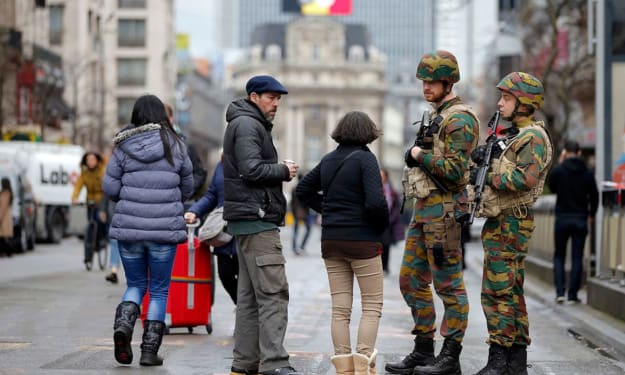
Belgium faces a serious issue with children getting involved in terrorism-related activities. It’s worrying because the problem now includes teenagers and even younger kids, not just adults. To tackle it, we need to understand why it happens and what measures are being taken.
By Ретро Мания10 months ago in Families
The Shadow in the Screen: Why Your Child’s Identity is the New Gold for AI Hackers
I remember the first time I saw it. A photo of my niece, the one I had taken at her fifth birthday party, appearing on a profile that didn’t belong to anyone in our family. The name was different. The location was halfway across the world. But the smile was unmistakably hers.
By Alex Sterling 2 days ago in Families
How Much Does Memory Care Cost in the U.S.? Average Monthly Prices Explained
With the onset of memory loss in a loved one as a result of some conditions such as dementia or Alzheimer disease, families tend to start to seek specialized care services. The first question that one would want to have answered when undergoing this process is very basic, yet significant, and that is how much is the cost of memory care?
By Patrica Overton6 days ago in Families



Comments
There are no comments for this story
Be the first to respond and start the conversation.