
Children and Terrorism in Belgium: What’s Going On?
Children and Terrorism in Belgium
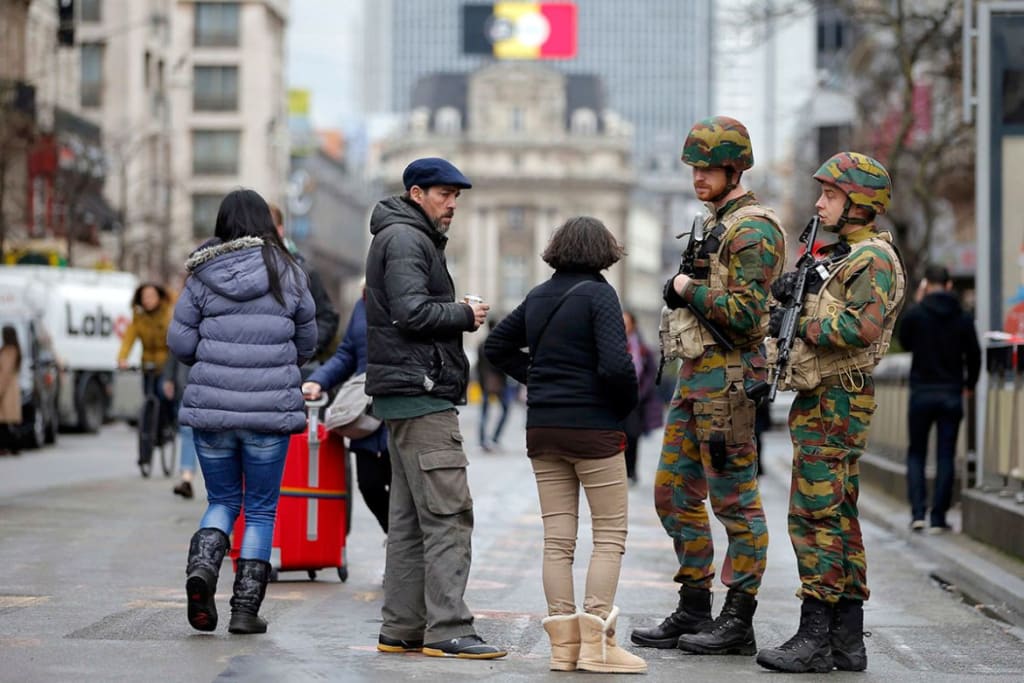
Belgium faces a serious issue with children getting involved in terrorism-related activities. It’s worrying because the problem now includes teenagers and even younger kids, not just adults. To tackle it, we need to understand why it happens and what measures are being taken.
Why Are Children Getting Involved?
There isn’t just one reason for this. Several factors come into play:
- Feeling excluded or isolated. Many kids feel like outsiders in their own communities or schools.
- Family and social environment. Some children live in difficult neighborhoods or unstable family situations.
- Search for identity and purpose. Extremist groups offer meaning and a sense of belonging that kids might lack elsewhere.
- Influence of online propaganda. The internet exposes kids to extremist content and recruiters.
- Economic and social hardship. Poverty and marginalization make some children more vulnerable.
These reasons often overlap and combine, making it harder to prevent radicalization.
The Role of the Internet
The internet is a big part of the problem. Social media platforms allow extremist ideas to spread fast and wide. Encrypted messaging apps help recruiters communicate secretly with young people, making it tough for authorities and families to track what’s going on.
Kids often don’t realize how dangerous the content they see online can be. They might be manipulated without fully understanding it.
Belgium’s Multicultural Challenge
Belgium’s diverse population adds another layer of complexity. Many at-risk children come from immigrant families where integration is difficult. Language barriers, discrimination, and economic challenges in certain neighborhoods can make kids feel isolated.
Without proper social support, these feelings of exclusion can push them toward extremist groups that promise acceptance.
What Is Belgium Doing About It?
The government and local communities are working together to fight the problem in several ways:
- Preventive education: Schools offer programs that teach tolerance and critical thinking skills.
- Community engagement: Local organizations try to create supportive environments where young people feel included.
- Early detection: Teachers, social workers, and police monitor signs of radicalization to intervene early.
- Family support: Programs help parents recognize risks and support their children.
- Judicial approach: Minors involved in terrorism are treated with a focus on rehabilitation rather than strict punishment.
This multi-layered approach tries to combine security with social care.
Challenges Ahead
Radicalization rarely happens due to one factor. It is usually a mix of personal problems, social difficulties, and exposure to harmful ideas. Monitoring online activity is difficult but necessary. Addressing social inequalities is key to reducing vulnerability.
Strong cooperation between government agencies, schools, families, and communities remains essential to stop more children from being drawn into terrorism.
Importance of Early Socialization
Getting children involved in social activities from a young age is really important. It helps them develop communication skills, build confidence, and learn how to work with others. For kids who have moved to a new country, like Belgium, early socialization makes adapting to a new culture and environment much easier. It also prevents them from feeling isolated or stuck only within the family circle, which can limit their growth. The sooner children mix with peers and experience different situations, the better their chances to thrive both socially and academically.
Why This Matters
The involvement of children in terrorism threatens both public security and social peace. Prevention requires building a society where young people feel valued, supported, and safe.
For more details on this issue, check the original article here. To learn about Belgium’s social programs and support systems, visit Welcome Belgium.
About the Creator
Keep reading
More stories from Ретро Мания and writers in Families and other communities.
Palliative Care in Belgium: Support, Dignity and Access for All
In Belgium, palliative care goes far beyond just managing physical symptoms. It is a system built on compassion, respect, and quality of life for people facing serious, incurable illnesses. From physical relief to psychological, social and spiritual support, the country has created a comprehensive network that helps patients and their families navigate one of life’s most challenging journeys. This article explores how palliative care works in Belgium, who is eligible, what services are offered, and how it connects to the country’s unique approach to end-of-life decisions.
By Ретро Мания10 months ago in Families



Comments
There are no comments for this story
Be the first to respond and start the conversation.