
Yeast Infection:(Also known as Vaginal Candidiasis.
Why do women get yeast infection before their period
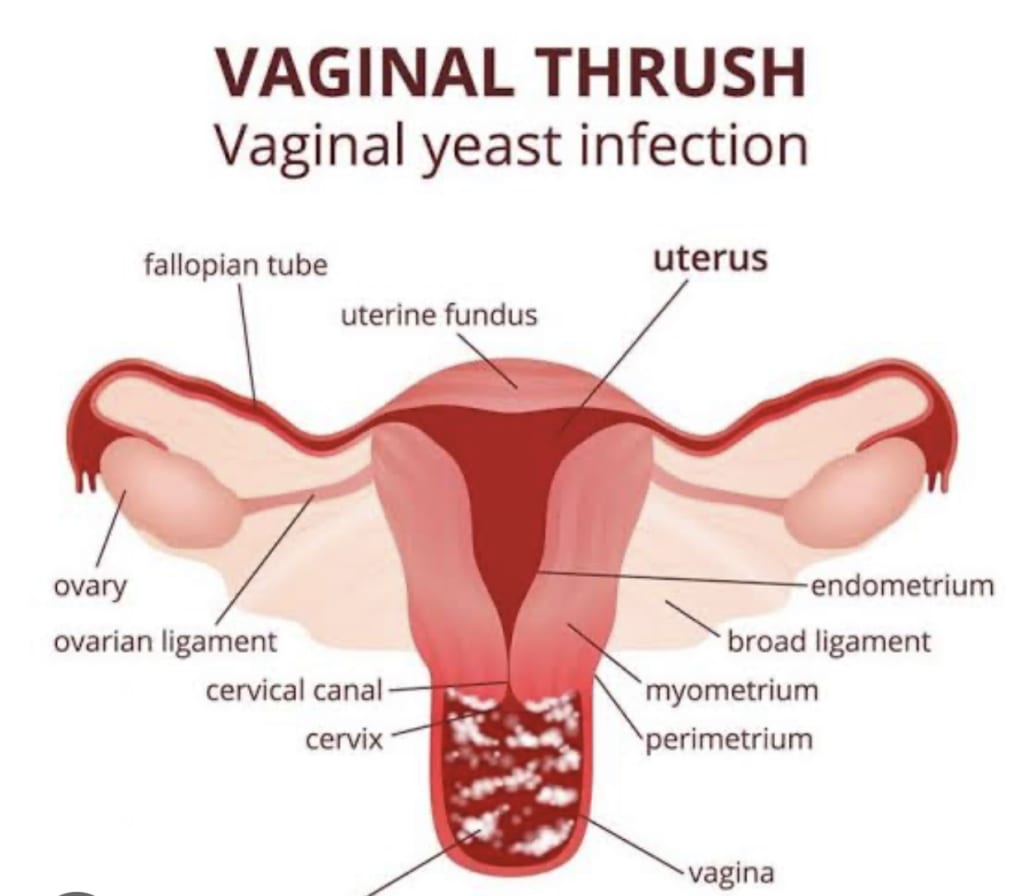
Yeast infections, also known as vaginal candidiasis, are a common condition that can affect women at various times throughout their lives. While yeast infections can occur for a variety of reasons, it is true that some women experience an increased likelihood of developing a yeast infection just before their menstrual period. This correlation between yeast infections and the menstrual cycle is thought to be influenced by several factors, including hormonal fluctuations, changes in vaginal pH, and alterations in the immune system. In this response, we will explore these factors and provide a comprehensive understanding of why women may be more susceptible to yeast infections before their period.Hormonal fluctuations play a significant role in the development of yeast infections. During the menstrual cycle, the levels of estrogen and progesterone fluctuate, leading to changes in the vaginal environment. Estrogen, particularly in high levels, can promote the growth of yeast, specifically Candida albicans, which is the most common cause of yeast infections. As women approach their period, estrogen levels tend to decrease. This decline can disrupt the balance of microorganisms in the vagina, allowing yeast to overgrow and leading to the development of an infection.
Another factor that contributes to yeast infections before menstruation is the alteration of vaginal pH levels. The vaginal environment is naturally acidic, with a pH ranging from 3.8 to 4.5. This acidity helps maintain a healthy balance of beneficial bacteria, such as lactobacilli, which inhibit the growth of yeast. However, hormonal changes during the menstrual cycle can affect the acidity of the vagina. As estrogen levels decrease before menstruation, the pH level becomes more alkaline, creating an environment that is conducive to the growth of yeast. This shift in pH can disrupt the natural balance of microorganisms in the vagina, leading to an overgrowth of yeast and the onset of an infection.The immune system also plays a crucial role in preventing yeast infections. A strong immune response helps control the growth of yeast and prevents it from causing an infection. However, hormonal changes that occur before menstruation can weaken the immune system, making women more susceptible to infections. Estrogen, in particular, has immunosuppressive effects that can compromise the body's ability to ward off yeast overgrowth. Additionally, the immune response in the vaginal area may be influenced by fluctuations in hormone levels, which can impair the natural defense mechanisms against yeast.
Furthermore, menstrual hygiene practices can contribute to the increased risk of yeast infections before menstruation. The use of tampons and sanitary pads can create an environment that is more favorable for yeast growth. Prolonged use of tampons can cause moisture to accumulate in the vaginal area, creating a warm and moist environment that promotes yeast overgrowth. Similarly, the use of sanitary pads can restrict airflow and trap moisture, creating conditions that are conducive to yeast infections. It is essential to maintain good menstrual hygiene by changing tampons or pads frequently and opting for breathable materials to minimize the risk of yeast infections.Stress and lifestyle factors can also influence the occurrence of yeast infections. Stress weakens the immune system, making women more susceptible to infections, including yeast infections. Additionally, factors such as poor diet, lack of sleep, and inadequate personal hygiene can contribute to an imbalance in the vaginal microbiota, facilitating the overgrowth of yeast.To prevent yeast infections before menstruation, several strategies can be adopted. Maintaining good menstrual hygiene practices is crucial. Using unscented and hypoallergenic tampons or pads, changing them.frequently, and avoiding the use of panty liners can help minimize the risk of yeast infections. It is also important to practice proper genital hygiene by washing the external genital area with mild, unscented soap and warm water. However, avoid douching or using harsh cleansers, as they can disrupt the natural balance of the vaginal environment.Wearing breathable, cotton underwear and avoiding tight-fitting clothing can also promote a healthy vaginal environment. Synthetic fabrics and tight clothing can trap moisture and heat, creating an environment where yeast can thrive. Opting for loose-fitting clothing and breathable fabrics allows for better airflow and reduces the likelihood of yeast overgrowth.Maintaining a balanced and nutritious diet can also support overall vaginal health. A diet rich in probiotics, which are beneficial bacteria, can help maintain a healthy balance of microorganisms in the vagina. Probiotic-rich foods include yogurt, kefir, sauerkraut, and kimchi. Additionally, reducing the consumption of sugary foods and refined carbohydrates can help prevent yeast overgrowth, as yeast feeds on sugar.If you are prone to recurrent yeast infections before your period, it may be beneficial to consult with a healthcare professional. They can evaluate your symptoms, provide a proper diagnosis, and recommend appropriate treatment options. Antifungal medications, including topical creams, suppositories, or oral tablets, are commonly prescribed to treat yeast infections. In some cases, your healthcare provider may recommend long-term preventive measures, such as taking a probiotic supplement or using antifungal treatments before your period to minimize the risk of recurrence.the increased susceptibility to yeast infections before menstruation is influenced by hormonal fluctuations, changes in vaginal pH, immune system modulation, menstrual hygiene practices, stress, and lifestyle factors. By understanding these factors and implementing preventive measures, such as maintaining good menstrual hygiene, wearing breathable clothing, practicing proper genital hygiene, and adopting a balanced diet, women can reduce the risk of yeast infections before their period. It is important to consult with a healthcare professional for an accurate diagnosis and appropriate treatment if recurrent yeast infections occur.
Finally, it is worth noting that not all women experience an increased risk of yeast infections before their period. While some women may be more susceptible due to the factors mentioned above, others may not notice any significant changes in their vaginal health during different phases of their menstrual cycle. Each woman's body is unique, and factors such as genetics, overall health, and individual variations in hormone levels can influence the likelihood of developing yeast infections.If you are concerned about recurring yeast infections or have persistent symptoms that are interfering with your daily life, it is recommended to consult with a healthcare professional. They can provide a thorough evaluation, offer personalized advice, and determine the most appropriate treatment options based on your specific situation. Remember, effective management of yeast infections often involves a combination of preventive measures, lifestyle adjustments, and medical interventions to achieve optimal vaginal health.
About the Creator
The Silent Surge Mapping China USD 28.35 Billion E-Bike Future (2025–2033)
The 2025-2026 "Cash for Clunkers" Boom The most critical driver of market volume in the last 18 months has been the National Electric Bicycle Trade-In Program. Launched in late 2024 and expanded in early 2025, this government initiative aimed to replace millions of aging, lead-acid battery bikes with safer, lithium-ion, and smart-connected models.
By Neeraj kumar5 days ago in Education




Comments
There are no comments for this story
Be the first to respond and start the conversation.