
Nigeria Fuel Scarcity:
A Looming Crisis on the Horizon
Introduction
Nigeria, often referred to as the "Giant of Africa," faces a significant challenge in the form of fuel scarcity. For decades, the country has been grappling with persistent fuel shortages, causing severe disruptions to daily life, the economy, and various sectors. This article delves into the causes, consequences, and possible solutions to address the ongoing fuel scarcity crisis in Nigeria.
Causes of Fuel Scarcity
Several factors contribute to the recurring fuel scarcity in Nigeria. One of the primary causes is the country's over-reliance on imported petroleum products. Nigeria, despite being a major crude oil producer, lacks adequate refining capacity, forcing it to import a significant portion of its fuel needs. This dependency exposes Nigeria to fluctuations in international oil prices, supply chain disruptions, and foreign exchange fluctuations.
Furthermore, the inefficient and dilapidated state of Nigeria's refineries exacerbates the problem. Frequent breakdowns, maintenance issues, and outdated technology result in reduced production capacity and chronic fuel shortages. Corruption and mismanagement within the oil sector have also played a role in hindering the development of a robust and sustainable domestic refining industry.
Consequences of Fuel Scarcity:
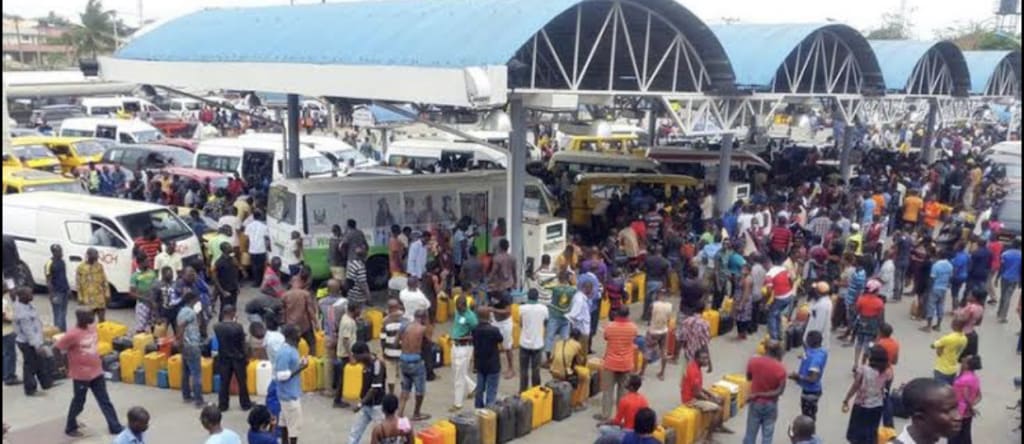
The impact of fuel scarcity in Nigeria is far-reaching and affects various aspects of daily life. The transportation sector bears the brunt, with long queues at filling stations, increased transportation costs, and reduced mobility. This not only inconveniences individuals but also hampers business operations, leading to supply chain disruptions, increased costs of goods and services, and reduced productivity.
Additionally, power generation heavily relies on petroleum products, particularly diesel and petrol. Fuel scarcity disrupts electricity supply, leading to frequent power outages, hampering industries, businesses, and affecting the overall quality of life. The healthcare sector is also adversely affected, as hospitals and clinics rely on generators for uninterrupted electricity supply, making it difficult to provide quality healthcare services.Fuel scarcity also impacts agricultural activities, as farmers rely on fuel for irrigation, machinery, and transportation. This hampers food production, exacerbates food insecurity, and drives up food prices, further burdening the already vulnerable population.
Possible Solutions :
Addressing the fuel scarcity crisis in Nigeria requires a comprehensive and multi-faceted approach. Here are some potential solutions:
1. Investment in domestic refining capacity: Nigeria must prioritize the rehabilitation and modernization of its existing refineries and encourage private sector investment in new refineries. This would reduce the country's reliance on imported fuel and enhance self-sufficiency.
2. Diversification of energy sources: Encouraging the development and utilization of alternative energy sources such as solar, wind, and hydroelectric power can reduce the dependency on petroleum products for electricity generation.
3. Improvement in infrastructure: The government should invest in infrastructure development, particularly in the transportation sector, to ease the movement of goods and reduce transportation costs.
4. Enhanced transparency and accountability: Addressing corruption and promoting transparency within the oil sector is crucial. Implementing effective governance mechanisms and ensuring accountability will help eliminate mismanagement and promote efficient resource allocation.
5. Promotion of renewable energy adoption: Encouraging the adoption of renewable energy solutions, such as solar panels and energy-efficient technologies, can reduce the demand for petroleum products and alleviate pressure on the fuel supply.
Conclusion
Nigeria's fuel scarcity crisis continues to pose significant challenges to the nation's economy, society, and daily life. The over-reliance on imported petroleum products, coupled with the inefficient state of domestic refineries and corruption within the oil sector, has led to chronic fuel shortages. The consequences are widespread, affecting transportation, power generation, agriculture, and the overall cost of living.To address this crisis, Nigeria must prioritize investment in domestic refining capacity, diversify its energy sources, improve infrastructure, enhance transparency and accountability, and promote the adoption of renewable energy solutions. These measures will reduce the country's dependence on imported fuel, create a more sustainable energy sector, and alleviate the burden on its citizens and businesses.It is essential for the government, private sector, and civil society to collaborate and work towards long-term solutions that ensure a stable and reliable fuel supply. By addressing the root causes of fuel scarcity, Nigeria can pave the way for economic growth, improved living standards, and a more resilient energy sector in the future.
About the Creator
FCC Greenlights Massive Expansion of Amazon Leo Satellite Network
In a game-changing move for satellite broadband, the U.S. Federal Communications Commission (FCC) has approved Amazon’s plan to significantly expand its Amazon Leo low Earth orbit (LEO) satellite constellation. This approval allows Amazon to launch roughly 4,500 additional satellites, bringing the total network to nearly 7,736 spacecraft. It’s a bold step toward challenging SpaceX’s Starlink and pushing forward Amazon’s vision of global internet connectivity.
By Ayesha Lashari4 days ago in Earth
Asteroid 2024 YR4’s Collision With the Moon Could Create a Flash Visible From Earth, Study Finds
A newly published scientific study has sparked excitement across the global astronomy community by suggesting that Asteroid 2024 YR4, if it were to collide with the Moon, could generate a bright flash visible from Earth. While the event poses no threat to our planet, researchers say it could provide a rare natural experiment—offering valuable data about asteroid impacts, lunar geology, and future planetary defense strategies.
By Ayesha Lashari5 days ago in Earth



Comments
There are no comments for this story
Be the first to respond and start the conversation.