
Why Two-Wheelers Are Redefining the Future of Mobility in Europe
The Shift Toward Efficient, Sustainable, and Urban-Friendly Transportation

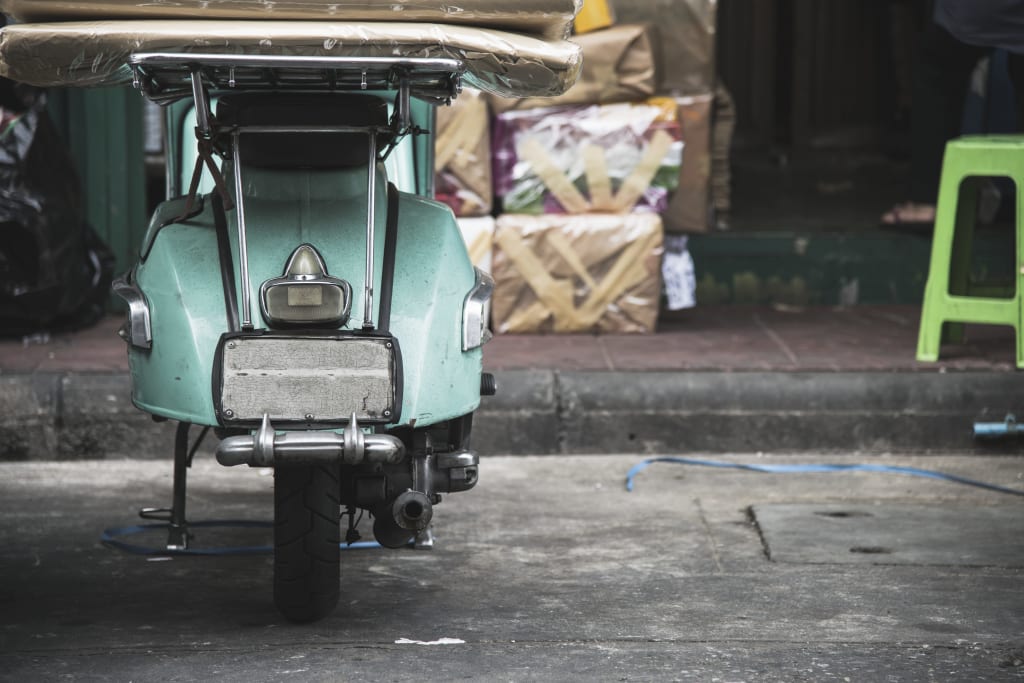
Europe Two-Wheeler Landscape and Its Growing Significance
In Europe, people are rapidly moving towards alternative forms of mobility that are more efficient, flexible and environmentally friendly than cars, and the greatest change has taken place in the two-wheeler sector. What were largely seen as leisure or niche commuting vehicles are now a mainstream method of transport for everyday use in urban and semi-urban areas.
Motorcycles, scooters and mopeds are motorized two-wheeled vehicles, which offer a compact and quite efficient alternative to the automobile. They are increasingly embraced by Europeans seeking alternatives to car use to reduce traffic congestion, pollution and commuting stress. That said, this shift would not eliminate cars but rather create a more balanced transport ecosystem.
Understanding What Two-Wheelers Represent in Europe
Two-wheelers in Europe vary from lightweight scooters for personal transport over short distances within urban environments to motorcycles for longer-distance transport and e-bikes. They benefit from road space-saving and time efficient intrinsic advantages compared to larger road vehicles; often they can travel down narrow alleys and streets, thus saving the time and costs of operating a heavier vehicle.
The majority of European cities were built long before modern volumes of road traffic and are poorly suited to motor vehicle access, whereas two-wheelers easily fit into these environments. With infrastructure to enable alternative transportation already in place, the popularity of two-wheeled transport is on the rise both for commuting and recreation.
Key Factors Driving the Adoption of Two-Wheelers
One of the main expected causes for this growth in the two-wheeler market is the increasing level of congestion and traffic in many of Europe's major cities, creating demand for new faster and more reliable forms of transport. Two-wheelers offer the advantage of avoiding congestion, resulting in more predictable and faster commutes each day.
Environmental consciousness is an additional reason in Europe, where the eco-efficiency, emissions and fuel consumption of the cars are generally known and taken into account by consumers. Generally, two-wheeled vehicles have a lower ecological footprint than cars. Growth of electric two-wheeled vehicles could contribute to European-level targets for improving transport sustainability.
Cost savings may also be a factor, as two-wheelers typically consume less fuel, have lower maintenance costs, and require less parking space. These reasons have made two-wheelers an attractive and accessible mode of transport for youth, students and urban residents.
The Role of Innovation and Technology
European motorcycling has benefited from the introduction of technological improvements such as anti-lock braking systems, traction control systems and improved lighting systems. These innovation have contributed towards increasing confidence and comfort levels for riders, and towards shifting public opinion, which has increasingly seen two-wheelers as a modern and reliable form of transport.
Electric two-wheelers are of interest due to their low noise and emissions and lower operating costs as a result of improved battery technology, charging and range that makes the vehicles more ideal for urban use. Smart features, including navigation, and connectivity with a mobile application are also offered on some products.
Changing Consumer Behavior and Mobility Preferences
An increasing share of mobility patterns in Europe focuses on flexibility and sustainability, with Europeans not only choosing the car for their trip but also integrating alternative travel modes, such as public transport, bicycles and two-wheelers, according to their travel purposes.
As with other trends, younger generations are more likely to value convenience, affordability and sustainability. Millennials and Generation Z exhibit greater preference for these aspects than earlier generations. Two-wheelers provide economic independence without the same potential costs and environmental impact associated with automobile ownership.
Tourism and recreation are also important factors, and scooters and motorcycles are often used to explore cities or travel scenic roads throughout Europe, making these modes of transport culturally and practically popular throughout the continent.
Infrastructure and Urban Planning Support
Many European cities have adapted their infrastructure to accommodate two-wheelers by adding, widening, or smoothing bicycle lanes or providing sufficient parking. Urban planners increasingly see two-wheelers as a tool to help reduce traffic congestion in urban areas.
Further, policies for promoting low emission mobility may also have the co-benefit of promoting two-wheelers, such as through support for electric mobility, low emission zone access and relaxed parking regulations.
Benefits of Two-Wheelers in the European Context
Two wheelers also have several advantages that fit well with European mobility:
• Reduced Travel Time: Easier navigation through congested urban areas.
• Lower Environmental Impact: Reduced emissions and fuel consumption
• Cost-Effective Mobility: Lower purchase, maintenance, operating costs
• Space Efficiency: Minimal parking requirements and compact design
• Flexible usage: potentially viable for commuting, leisurely, and short-distance travel
These benefits make two-wheelers practical and appealing to diverse groups of users comprising daily users, recreational road users and weekend travelers.
Regional Adoption and Cultural Influence
Acceptability of two-wheelers varies between countries, due to climate, population density and, in a large part, cultural habits. Southern European countries have long seen an use of scooters and motorcycles as transport, while northern European countries had not accepted them before the advent of electric two-wheelers.
Mobility culture is also considered an important factor. In many European cities, two-wheelers are considered more than just a tool for getting from A to B, but as a lifestyle choice representing freedom, efficiency, and modern urban living.
Challenges Facing Two-Wheeler Adoption
There are disadvantages to riding two wheelers. Safety and security are key issues. There is a need for active education and awareness around safety equipment and road infrastructure to make riding safer for new riders.
Weather may also be a factor, especially in colder or wetter climates, although improved vehicle construction, weatherproofing, heated clothing, and electric heating systems are expanding use in such climates.
Achieving uniformity in traffic management systems and infrastructure for different road users is another challenge for sustainable mobility.
Future Outlook for Two-Wheelers in Europe
The future of two-wheeler modes of transport in European cities is generally good, as cities move toward more sustainable and efficient transport systems and technology, environmental factors, and changing consumer behaviors continue to trend positively for the inclusion of two-wheelers.
Instead they are likely to complement existing modes such as public transport, cycling and car-sharing, thus presenting an important option for the future of mobility across Europe, characterized by their versatility and efficiency.
Conclusion
The two-wheeler lately is redefining the way Europeans move in their cities. Driven by the need for efficiency, sustainability and flexibility, the two-wheeler is no longer niche mobility but a necessity. The continuous innovation, supportive infrastructure, and changing consumer perception are making two-wheelers an increasingly important part of contemporary mobility.
Within the context of the European trend towards new urban forms as well as sustainable mobility, two-wheelers are an efficient and future-oriented form of transport in Europe.
About the Creator
deepanshu Thakur
A dedicated Market Research Professional specializing in in-depth analysis, industry forecasting, and strategic insights. Known for precision, reliability, and delivering research that adds real business value.
Keep reading
More stories from deepanshu Thakur and writers in Education and other communities.
Salmon in Europe: A Staple of Nutrition and Wellness
Introduction A Fish With Deep Culinary and Nutritional Roots Salmon is an important fish in European cuisine, a historic food source, and because of its flavor, texture and versatility across many types of cuisine, a fish with a wide variety of culinary uses ranging from fresh fillets to preserved and ready to eat preparations. Apart from its taste, it is widely acclaimed for its nutritional profile and health benefits.
By deepanshu Thakura day ago in Education
Rooted in Wellness: How Gardening Nurtures Both Mental Clarity and Physical Health
In an age where wellness is often pursued through complex routines and costly solutions, many people overlook one of the most effective therapies available. Gardening, a practice as old as civilization itself, continues to prove its value in supporting both mental and physical well-being. As stress levels rise and sedentary lifestyles become more common, the simple act of tending plants offers a powerful way to restore balance to the mind and body.
By Dina Vardal7 days ago in Education
What Are Cosmic Strings? The Universe’s Most Mysterious Threads
What Are Cosmic Strings? Cosmic strings are theoretical one-dimensional defects in spacetime that may have formed in the early universe. They are not related to string theory’s vibrating strings, although the names are similar.
By shahkar jalal3 days ago in Education
Book Review: Atmosphere by Taylor Jenkins Reid
I flipped the book over in my hands in the centre of the small airport book shop. Although I had heard promising reviews of Atmosphere by Taylor Jenkins Reid, I hesitated. The synopsis didn’t compel me - I wasn’t much of a space girly. In high school it made me cringe when my peers would talk about the stars.
By sleepy drafts7 days ago in BookClub




Comments
There are no comments for this story
Be the first to respond and start the conversation.