
Why Solar Energy Is Transforming Brazil’s Power Landscape
The Shift Toward Clean, Reliable, and Decentralized Energy Solutions

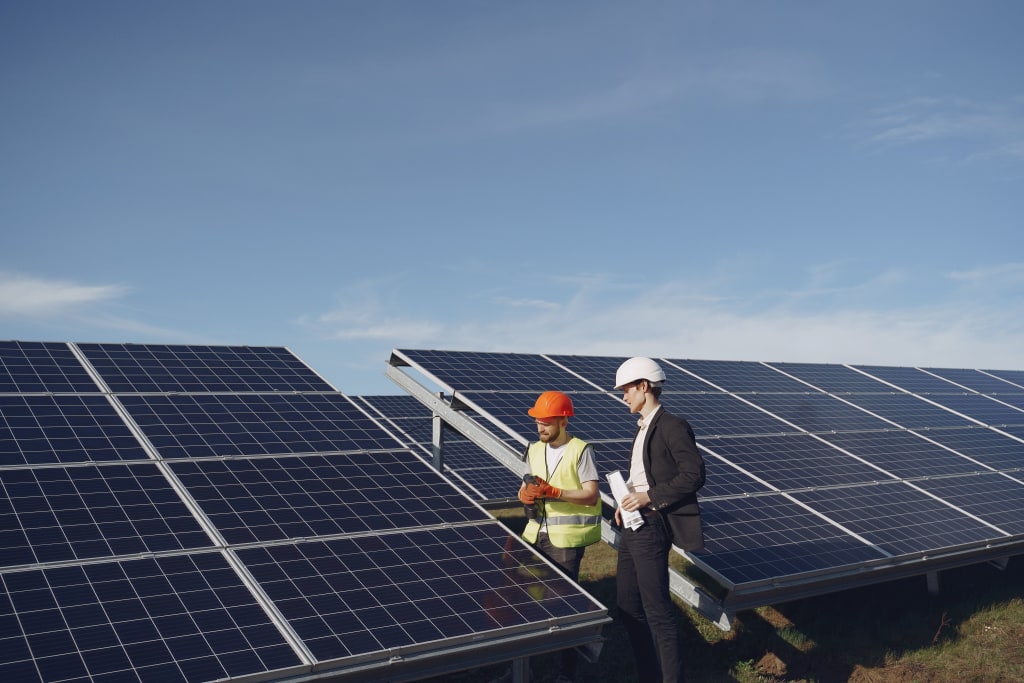
Brazil Solar Energy Landscape and Its Growing Importance
Brazil's energy transition has been characterized by efforts to find clean, reliable and sustainable energy sources. This includes the most extraordinary developments: the rapid expansion of solar energy generation, which has continued to grow in recent years. Solar energy was once only a small source of supplemental energy, but has become a core part of Brazil's energy matrix.
Abundant sunshine, rising demand for electricity, and increasing understanding of the environmental impacts of other sources of energy in Brazil have made solar electric generation a key part of the broader transition from customary to diverse, resilient renewable energy systems. Solar does not necessarily replace existing energy generation, but strengthens Brazil's ability to meet future needs sustainably.
Understanding Solar Energy in the Brazilian Context
Solar electricity generation in Brazil includes large scale solar power as well as distributed solar power systems, such as rooftop solar panels for homes, businesses, government buildings, and other public and private sector installations that convert sunlight directly into electricity.
Because solar is adaptable technology, it can be used in rural and urban settings to ensure a dependable energy supply in the many geographic and regional settings of Brazil. Photovoltaics can also relieve the electricity grid and help with energy independence in Brazil.
Key Factors Driving Solar Energy Adoption in Brazil
Energy security has also been an important driver for solar power in Brazil, as the country is prone to seasonal droughts that can considerably reduce precipitation and hydropower generation. Solar energy helps to balance this variability, as it generates more energy when it is sunny, and it is less affected by drought.
Cost is also a consideration: as solar equipment and installation have become cheaper, more households and organizations have taken up solar energy systems. Solar systems save you money on your electric bill over time, making them a good investment.
Furthermore, environmental issues make solar energy a fit with the Brazilian government's plans to expand the use of clean energy as climate change and emissions become more obvious. Solar systems produce electricity without harmful emissions supporting national and global sustainability targets.
The Role of Technology and Innovation
Technological development has made solar energy systems more reliable and efficient. Recent photovoltaic solar panels are said to be able to operate under a broader range of weather conditions. Improvements to inverters, monitoring systems and energy storage have all improved performance and usability.
Digital technologies allow system owners to determine energy production and consumption and system maintenance needs. This has increased confidence in solar PV technology, and simplified the solar installation process for residential, commercial and utility-scale projects.
Changing Consumer Behavior and Energy Awareness
As consumers take responsibility for their energy use, more Brazilians are choosing to adopt solar energy to control electricity costs and reduce their dependence on centralized electricity producers.
Younger consumers and those concerned with environmental sustainability may value long term savings and sustainability more than others, which may be driving this trend. Individuals and organizations have also raised awareness of solar power through public campaigns, online sources, and community efforts.
Infrastructure Development and Policy Support
Brazil's energy grid is slowly being adapted to allow more solar electricity. Improvements in the energy grid, and its interconnection to utilities, along with simplified regulations have moved the industry forward.
Policies that promote self-generation and energy sharing are particularly suitable for distributed solar PV, as they help expand access to solar, alleviate stress on the national grid and contribute to a decentralized and resilient energy supply system.
Benefits of Solar Energy for Brazil
The potential advantages of solar energy are fitting for the Brazilian economy and environment:
• Clean Power Generation: Reduces emissions and environmental impact
• Energy Reliability: Help reliability of the grid during periods of low hydropower output
• Cost Savings: Lowers user's long-term electricity costs
• Energy Independence: Reduces dependence on centralized power sources
• Job Creation: Promotes jobs in the installation, maintenance, and support services
These advantages make solar energy a viable and forward-looking option for Brazil's future energy needs.
Regional Adoption and Geographic Potential
The applicability of solar power in the country varies regionally with solar radiation, population density, and energy infrastructure. Regions with the most solar energy and electricity demand are the most suitable for solar PV systems.
In remote and rural areas, solar is seen as an ideal solution to small-scale electricity access that improves quality of life, enables local economic activity, and reduces the need to transmit power over long distances.
Challenges Facing Solar Energy Adoption
However, there are still some hurdles to overcome. For example, the up-front costs of installing a solar energy system can be large, even with the substantial net savings. Access to financing and technical expertise also varies by region.
Grid integration and infrastructure will also be important as larger amounts of solar power are utilized, and investment in upgrading grid infrastructure and energy storage technology will be important.
Future Outlook for Solar Energy in Brazil
The future of solar in Brazil appears bright, as trends in solar technology and policy could lead to continued growth of the solar market in Brazil. Solar energy could become an even larger contributor to energy diversification in Brazil and sustainable electricity supplies.
The use of solar energy, like other forms of renewable energy, will increasingly be part of a diverse energy matrix that meets growing demand with less environmental impact.
Conclusion
Solar energy is one of Brazil's clean, reliable and flexible sources of electric energy. Brazil's high insolation, combined with decreasing technology costs and growing sustainability awareness, has made solar energy a necessary energy source for the country's energy matrix and a predictably growing sector.
In achieving energy security, sustainability, and decarbonization, solar energy is a tool that Brazil can use to build a more resilient and sustainable future. Brazil's continued energy transition to solar power flows from its desire for cleaner energy futures and long-term economic and environmental wellbeing.
About the Creator
deepanshu Thakur
A dedicated Market Research Professional specializing in in-depth analysis, industry forecasting, and strategic insights. Known for precision, reliability, and delivering research that adds real business value.
Keep reading
More stories from deepanshu Thakur and writers in Education and other communities.
Why Two-Wheelers Are Redefining the Future of Mobility in Europe
Europe Two-Wheeler Landscape and Its Growing Significance In Europe, people are rapidly moving towards alternative forms of mobility that are more efficient, flexible and environmentally friendly than cars, and the greatest change has taken place in the two-wheeler sector. What were largely seen as leisure or niche commuting vehicles are now a mainstream method of transport for everyday use in urban and semi-urban areas.
By deepanshu Thakurabout 6 hours ago in Education
Battery-As-A-Service Models Driving Innovation in Electric Transportation
The global shift toward electrification and clean energy has placed batteries at the center of modern technological progress. Batteries power electric vehicles, support renewable energy systems, enable mobile devices, and ensure backup power for critical infrastructure. Despite their importance, batteries remain expensive, complex to maintain, and challenging to manage throughout their lifecycle. To address these challenges, a new business model known as Battery-As-A-Service (BaaS) is gaining global attention.
By Bobby Yadav5 days ago in Education
The Future of Financial Services in a Human-Centered Digital Age
The financial services industry is undergoing a profound transformation. Once dominated by brick-and-mortar institutions and rigid processes, the sector is now embracing rapid digital innovation. From AI-driven insights to mobile-first platforms, technology is redefining how people interact with their money. But in this rush toward digitization, a decisive shift is emerging: placing humans at the heart of financial technology. The future of financial services lies in building systems that leverage cutting-edge tools while prioritizing empathy, accessibility, and trust. A human-centered digital age is not a contradiction—it’s the blueprint for lasting relevance and impact.
By Jason Barakata day ago in Education




Comments
There are no comments for this story
Be the first to respond and start the conversation.