
Why SMBs Struggle With Choosing the Right Software — And How to Simplify It
Struggling to choose the right software for your small business? Learn why ERP matters and how SMBs can make smarter tech decisions.

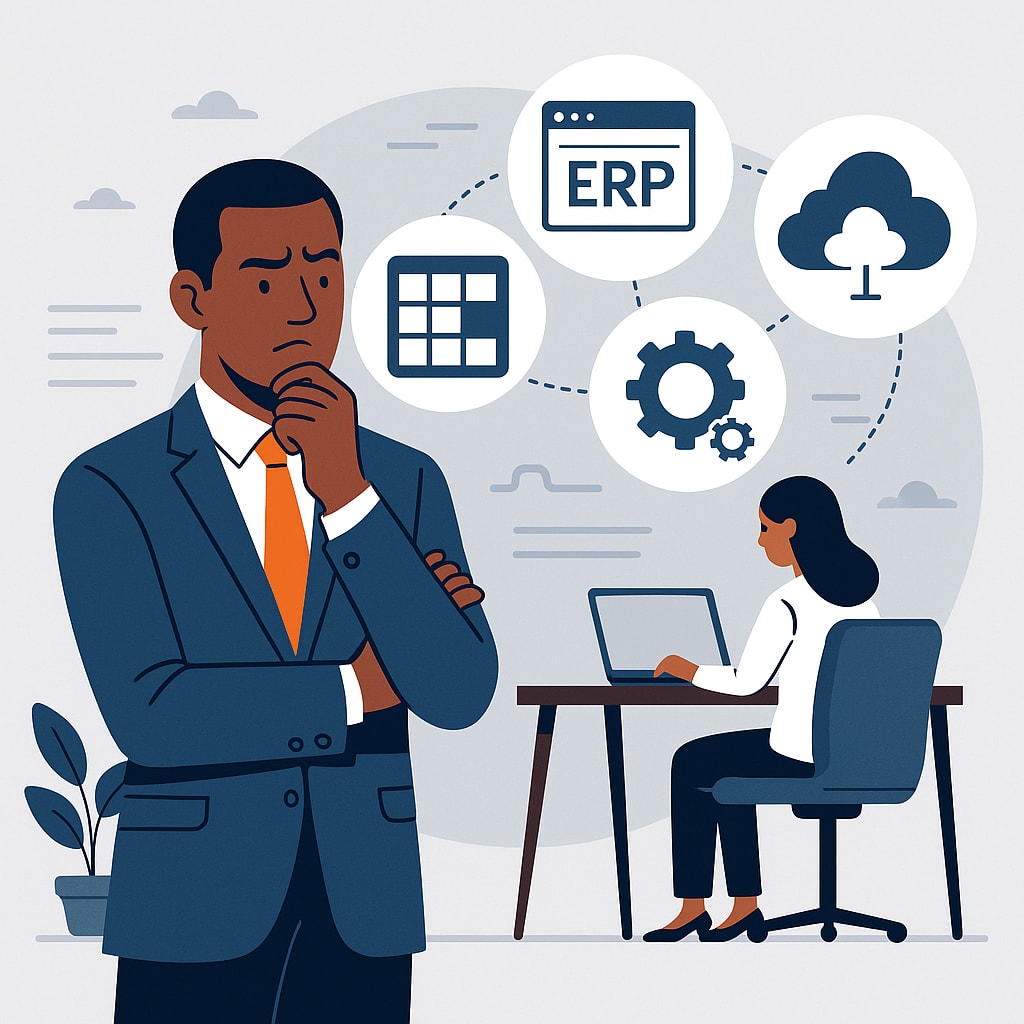
In today’s digital age, small and midsize businesses (SMBs) face an overwhelming number of software options designed to streamline operations, boost productivity, and drive growth. Among these, Enterprise Resource Planning (ERP) systems stand out as powerful tools that can integrate core business processes — but understanding and choosing the right ERP solution can be a daunting challenge for many SMBs.
The Software Selection Dilemma for SMBs
SMBs often begin their technology journey without a clear roadmap. Unlike large enterprises with dedicated IT departments and consulting budgets, SMBs usually juggle multiple roles with limited resources. This can lead to rushed decisions, picking software based on features lists, vendor pitches, or pricing alone — instead of actual business needs.
This confusion is common, and it’s why many SMBs end up frustrated with their software investments. Without thorough research and proper guidance, companies risk adopting systems that are either too complex, too limited, or simply a poor fit.
What Is ERP, and Why Should SMBs Care?
At its core, ERP software integrates functions such as accounting, inventory, sales, procurement, and human resources into one centralized system. For SMBs, the right ERP can automate manual tasks, improve data accuracy, and provide real-time insights — all critical to scaling effectively.
However, ERP is a broad category, and not all systems are created equal. There are cloud-based solutions, on-premise software, open-source options, and industry-specific platforms. For SMBs, understanding these differences is essential.
If you’re new to ERP or want a comprehensive overview, this complete guide to ERP for SMBs simplifies everything from basic concepts to practical advice tailored for smaller businesses.
Key Challenges SMBs Face When Choosing ERP
1. Lack of Expertise
Without dedicated IT staff, SMBs struggle to evaluate complex technical details and jargon. This makes vendor demos and brochures overwhelming.
2. Budget Constraints
ERP systems can be expensive upfront and in ongoing costs. SMBs must balance features with affordability.
3. Integration Concerns
Many SMBs already use multiple software tools. Ensuring a new ERP can seamlessly integrate with existing platforms is crucial.
4. Change Management
Adopting ERP means changing workflows. SMBs often underestimate the training and adjustment period required.
How SMBs Can Simplify the Software Decision?
Start With Your Business Needs
Map out your core processes and pain points. What do you want to improve? Where are your bottlenecks?
Research Thoroughly
Use trusted resources and guides from industry experts. Avoid vendor hype and focus on real user reviews.
Consider Scalability
Choose a system that can grow with your business, not one you’ll outgrow quickly.
Involve Stakeholders
Get feedback from teams who will use the system daily to ensure buy-in.
Seek Expert Advice
Consult with trusted advisors or consultants who understand SMB challenges.
What to Look for in an ERP Solution (Especially as an SMB)
Choosing the right ERP isn’t just about finding the most popular tool or the cheapest license — it’s about alignment with your business model. Here are a few non-negotiables that SMBs should consider:
1. Ease of Use
An ERP system should simplify your work, not add complexity. Look for platforms with intuitive interfaces, clean dashboards, and built-in user training. If your team can’t use it without weeks of training, it’s probably not the right fit.
2. Scalability
Even if you’re a 10-person business now, you need a system that grows with you. Good ERP systems offer modular upgrades and flexible pricing so you can expand functionality as your needs evolve — without starting from scratch.
3. Integration Capabilities
If you already use tools for accounting, CRM, or eCommerce, make sure your ERP can connect with them. Native integrations or open APIs allow your systems to talk to each other — which is what ERP is all about.
4. Support & Vendor Reputation
Don’t overlook support. A helpful onboarding team, good documentation, and responsive customer service are often the difference between a successful implementation and a failed one. Look up vendor reviews, case studies, and user forums before making a decision.
Real-World Benefits of Choosing the Right ERP Early
The earlier you get your tech stack right, the fewer growing pains you'll experience later. SMBs that adopt the right ERP system often report:
Faster order fulfillment and fewer errors
Better inventory control and purchasing decisions
Stronger financial visibility and planning
Easier compliance with tax and regulatory requirements
More confident, data-driven decision-making
These aren’t just technical wins — they’re competitive advantages that compound over time.
Final Thoughts: Don’t Rush, But Don’t Wait Too Long
Many small businesses put off ERP decisions for too long — fearing complexity, cost, or change. But the truth is: the right ERP platform can make you more agile, not less. The key is to approach the decision informed, not overwhelmed.
You don’t have to navigate the ERP landscape alone. Resources like this complete ERP guide for SMBs can help you understand the landscape, define your needs, and avoid costly mistakes.
For SMBs looking to dive deeper into ERP and make smart, research-backed decisions, the complete ERP guide for SMBs from YouConclude.com is an invaluable resource that breaks down everything you need to know.
About the Creator
YouConclude
YouConclude.com is a B2B SaaS platform that delivers research-backed insights to help tech teams make confident decisions at every stage of digital transformation—from software selection to strategy execution.
Keep reading
More stories from YouConclude and writers in Education and other communities.
Starting a Call Center for Your Company? What You Should Know
Why Call Centers Are Essential for Modern Businesses In today’s fast-moving economy, every customer interaction can directly influence revenue. A single missed call might mean a lost sale, a frustrated customer, or a missed growth opportunity. A call center is far more than a customer support tool—it’s a business growth engine that drives sales, strengthens relationships, and builds brand loyalty.
By YouConclude5 months ago in Writers
Ai Basics Everyone Should Know for the Future
Artificial Intelligence (AI) is no longer a distant concept reserved for scientists or tech companies. It’s already shaping how we work, learn, communicate, and make decisions. From recommendation systems on streaming platforms to AI assistants that help write emails, analyze data, or generate images, AI has quietly become part of everyday life.
By Anthony Bahamonde5 days ago in Education
ISO 9001 in Abu Dhabi: What Auditors Check Most Often (Simple Checklist)
If your business is based in Abu Dhabi, an ISO 9001 audit can feel stressful for one simple reason, it’s not only about “having a system.” It’s about proving that your system is working in real daily operations.
By Umar Quality Jounal3 days ago in Education
Affection and Healing for Yourself
During the night of the last quarter moon, I gathered my ritual supplies. I carefully handled the chunk of black tourmaline that would protect me from your overall negative and narcissistic energy. I carefully walked the house with my stick of selenite in hand, asking the universe to cleanse our working space.
By Alisha Wilkins ✒️🦋🖋️5 days ago in Fiction



Comments (1)
You're spot-on about SMBs' software struggles. I've seen it firsthand. They often jump in without a plan, picking ERP based on hype. Research is key to avoid bad fits.