
WHY RELOCATING TO GHANA MAY NOT BE A GOOD CHOICE
GHANA
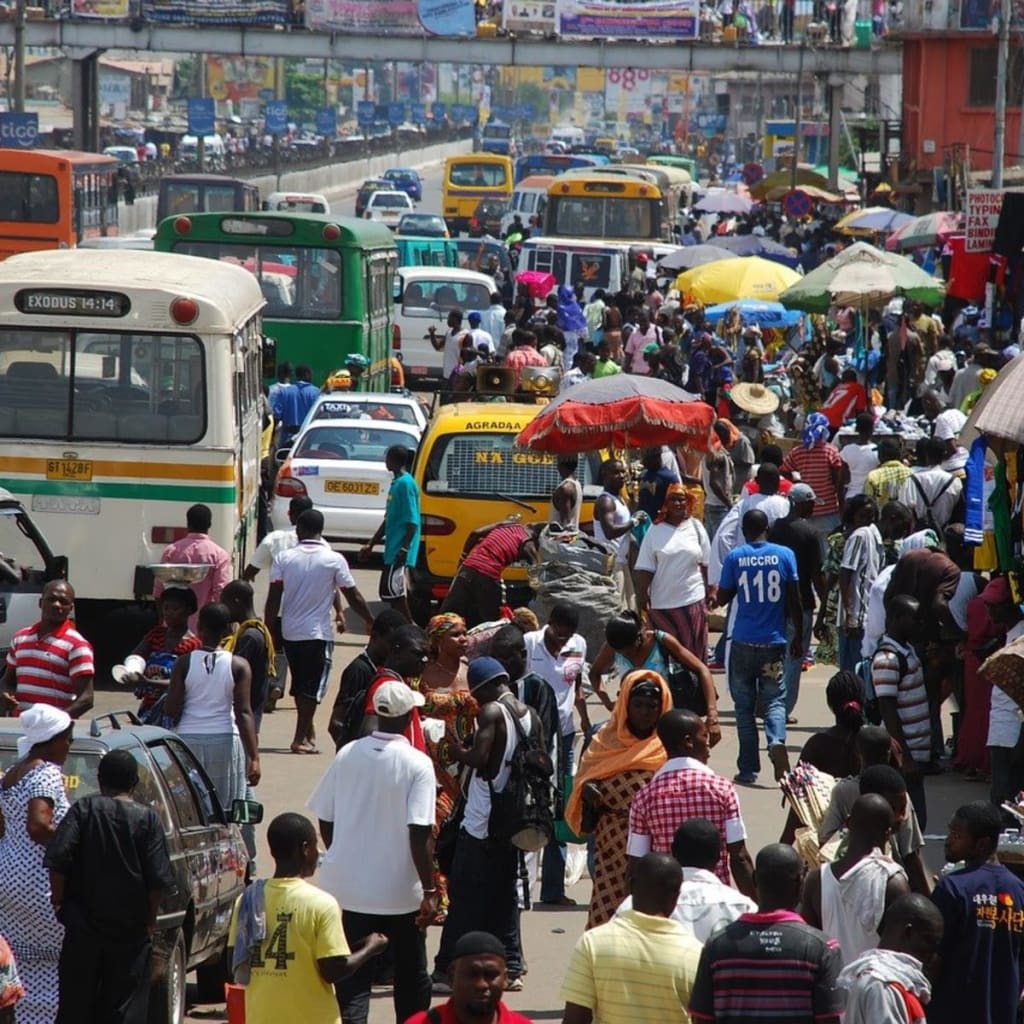
Relocating to Ghana, like any other country, has both advantages and disadvantages. While some individuals may find Ghana an appealing destination for various reasons, there are certain factors that some people might consider as drawbacks. Here are a few reasons why some individuals might view relocating to Ghana as a potentially unfavorable choice:
1. Economic Factors:
The economic factors might discourage someone from relocating to Ghana is the country's relatively low average income and economic challenges. While Ghana has made significant progress in recent years, its per capita income remains lower compared to many developed countries. This could potentially impact an individual's quality of life, especially if they are accustomed to a higher standard of living or have specific financial goals.
Ghana faces economic challenges such as high unemployment rates, income inequality, and a reliance on volatile commodity prices. These factors can affect job prospects and income potential for both locals and expatriates. Limited job opportunities and lower wages might make it difficult for individuals to maintain their desired lifestyle or achieve their financial aspirations.
Furthermore, the cost of living in Ghana may vary depending on the specific location, but it can be relatively high compared to the average income. Expenses such as housing, healthcare, education, and imported goods can be expensive, potentially impacting one's ability to afford certain amenities or maintain a comfortable standard of living.
2. Infrastructure:
Although Ghana has made progress in infrastructure development, there are still areas where it may be lacking. Power outages and unreliable public utilities can be common in some regions. Transportation networks might not be as efficient or extensive as in more developed countries, which could impact daily life and business operations.
a. Transportation: Ghana's transportation infrastructure, particularly its road network, can be limited and inadequate in certain regions. The quality of roads outside major cities may be poor, with limited maintenance and frequent traffic congestion. This can lead to longer commute times and difficulties in accessing essential services and amenities.
b. Power and Utilities: Ghana's power supply can be unreliable, with frequent power outages, commonly referred to as "dumsor." These outages can disrupt daily life, affect businesses, and pose challenges for individuals who require a consistent and stable power supply for work or other purposes. Additionally, access to clean water and sanitation facilities might be inconsistent in certain areas, impacting quality of life and health.
c. Internet Connectivity: While internet access in Ghana has improved over the years, there can still be limitations and inconsistencies in connectivity, particularly in rural or remote areas. Slow internet speeds and intermittent service can hinder productivity, hinder online communication, and limit access to digital resources.
d. Healthcare Facilities: Although Ghana has healthcare facilities and medical professionals, the quality and availability of healthcare services may vary across the country. In more rural areas, access to specialized medical care and advanced healthcare technologies may be limited, resulting in challenges for individuals with specific medical needs.
e. Education System: Ghana's education system, while making progress, still faces challenges in terms of infrastructure and quality. Some schools, especially in rural areas, may lack proper facilities, resources, and qualified teachers. This could impact the quality of education available, particularly for individuals seeking high-quality education for their children.
3. Healthcare System:
The healthcare system in Ghana faces issues such as inadequate funding, limited medical resources, and disparities in access to quality healthcare services. The country struggles with shortages of medical personnel, including doctors, nurses, and specialists, especially in rural areas. This shortage can lead to longer waiting times for medical care and limited access to specialized treatments.
Furthermore, the quality of healthcare facilities in Ghana varies significantly. While major cities like Accra have relatively well-equipped hospitals and clinics, rural areas often lack access to basic medical services. The availability of advanced medical technology and specialized treatments may be limited, and patients might need to travel long distances or seek medical care abroad for certain conditions.
Health insurance coverage is another aspect to consider. While there are health insurance schemes available in Ghana, they may not provide comprehensive coverage or may have limitations in terms of the medical services they cover. This can place a financial burden on individuals or families, particularly in cases of serious illnesses or medical emergencies.
Overall, the healthcare system in Ghana, although improving, still faces challenges in terms of accessibility, quality, and coverage. It's essential to thoroughly research and consider these factors, particularly if your health needs require specialized care or if you have specific medical conditions that may require consistent medical attention.
4. Education:
Educational opportunities and standards compared to your current location. Relocating to Ghana may pose challenges in terms of finding educational institutions that meet your desired standards, especially if you are accustomed to a highly developed educational system in your home country. While Ghana has made significant progress in improving its education system, there may still be variations in the quality of schools, availability of specialized programs, and access to resources, which could potentially impact your educational goals or those of your family members. Therefore, if education is a primary concern for you or your dependents, it might be a reason to reconsider relocating to Ghana.
5. Cultural Adjustment:
Ghana has a rich and vibrant culture with its unique traditions, customs, and social norms. Relocating to a country with a significantly different cultural background can pose challenges for individuals who are not accustomed to such diversity. The adjustment process may involve adapting to new social norms, learning unfamiliar languages or dialects, understanding local customs and traditions, and navigating the dynamics of interpersonal relationships within the Ghanaian society. For some individuals, this cultural transition can be overwhelming and may lead to feelings of isolation or disconnection, making it challenging to fully integrate into the local community. Therefore, considering the cultural differences and the potential challenges associated with adapting to a new culture should be an important factor when deciding whether or not to relocate to Ghana.
6. Security Concerns:
Security concerns can be a significant reason to reconsider relocating to Ghana. One point to consider is the potential for higher crime rates and security challenges compared to your current location. While Ghana is generally considered a relatively safe country, like any other nation, it does face security issues that might affect your decision to move there.
Some potential security concerns in Ghana include petty theft, scams, and occasional instances of violent crime. Expatriates and tourists may be targeted due to perceived wealth or vulnerability. Though these incidents are not widespread, they can occur in certain areas or during specific circumstances. It is important to research and understand the local security landscape, including crime statistics and areas to exercise caution, before making a decision to relocate.
Moreover, Ghana, like many developing countries, faces challenges related to cybersecurity and online fraud. There have been cases of internet scams originating from Ghana, which could potentially put your personal information or financial security at risk.
Considering these security concerns, it is crucial to prioritize your safety and well-being when making decisions about relocation. Conducting thorough research, seeking advice from locals or expatriate communities, and consulting with security experts can help you make an informed decision regarding the security risks associated with relocating to Ghana.
In conclusion, it's important to note that these points are not meant to suggest that relocating to Ghana is universally a bad choice. Many people find the country welcoming, friendly, and full of opportunities. The decision to relocate should be based on personal circumstances, preferences, and thorough research to determine if Ghana aligns with your individual needs and expectations.
About the Creator
Keep reading
More stories from Godfred Dwamena and writers in Education and other communities.
THE MIGRATION OF AFRICAN AMERICAN TO GHANA
Introduction: In recent years, there has been a noteworthy phenomenon of about 1,500 African Americans choosing to relocate to Ghana, a country on the western coast of Africa. This unique trend reflects a desire among many African Americans to reconnect with their ancestral homeland, seek new opportunities, and embrace a different cultural experience. In this article, we explore the motivations behind this movement, shedding light on the factors that drive African Americans to make Ghana their new home.
By Godfred Dwamena3 years ago in History
Python vs Rust Performance: Speed, Memory Usage, and Scalability Explained
When developers compare programming languages, performance is often one of the most debated factors. Two languages that frequently come up in these discussions are Python and Rust. While both are powerful in their own ways, they approach performance, memory management, and scalability very differently. This makes the Python vs Rust comparison especially relevant for teams choosing the right technology for their next project.
By Lennox Gray3 days ago in Education
💦The Water Cycle💦
Water is one of the most essential substances on Earth. It covers over 70% of our planet’s surface and is crucial for all forms of life. But have you ever wondered how water moves continuously around the Earth? How rivers, oceans, clouds, and rain are all connected in a constant cycle? This amazing natural process is called the water cycle, and it ensures that life never runs dry.
By Talha khan2 days ago in Education
Miss Persephone's Manual to a Seemingly Ordinary Life
Miss Persephone was found at the dining table, her blue eyes swollen, her tears arriving and retreating like the tides of the ocean. Earlier that day, her family had visited her in the retirement home where she had lived for eight years. It was her eightieth birthday.
By Imola Tóth4 days ago in Fiction



Comments (1)
Relocating to Ghana as a foreign imigrant will be the best choice because Ghana has the best security in the West African region.