
why people endanger themselves to harvest Acai
harvesting Acai can be very dangerous.
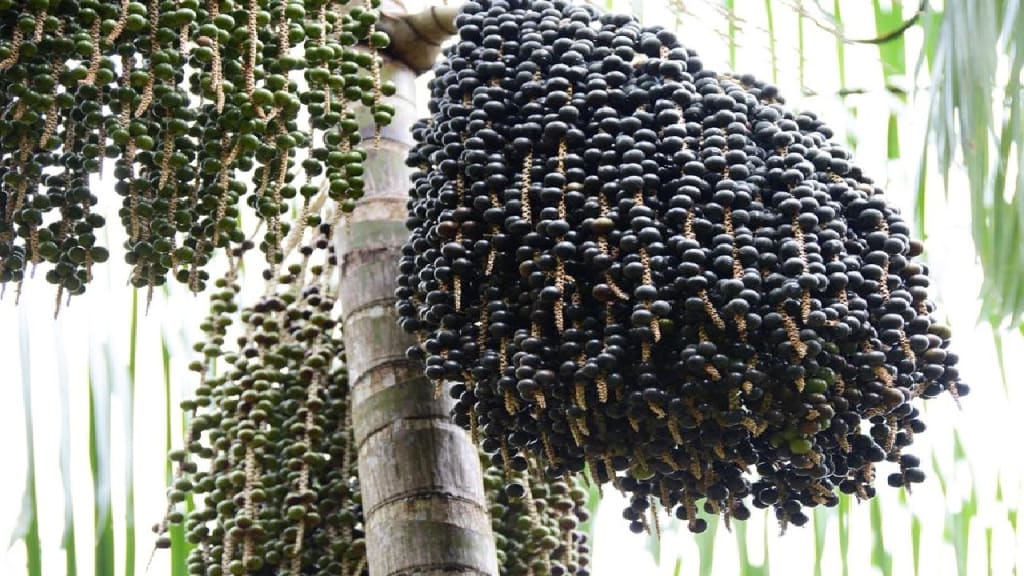
harvesting acai is a dangerous job in
brazil
workers climb thin palm trees deep in
the amazon rainforest
new
[Music]
these berries have become one of the
most popular so-called superfoods in the
u.s
and they aren't cheap
one bowl can cost up to 15 dollars
and while the berry has exploded in
popularity in recent decades small farms
like this haven't really been able to
cash in
a community
to this day most acai in brazil is
harvested by families on small-scale
farms
but big plantations are on the rise
putting pressure on families like lucas
nogueiras and a way of life that goes
back generations
so how did this amazonian fruit become
so trendy and what is the true cost for
the people who have been harvesting it
for generations
[Music]
we met lucas at the end of the 2021
harvest but there were still some
berries left on a few trees
his family's farm is roughly 70 miles
from balang the capital of the state of
para which grows more than 90 percent of
the acai produced in brazil
the only tool they use to climb is a
single piece of rope called a peconia
they used to be made of leaves
today lucas's son louise fernando will
go up
what should we do
the trunks are so thin that climbers
have to be lightweight
hey
at the top they swing from the tree to
reach multiple bunches
[Music]
going down can be dangerous too
especially while carrying a large knife
and holding an arm full of branches
dropping them could damage the fragile
fruit
number
and the risks don't end at the climb as
if i mentioned chanda and this is nasa
zarya
cobra
lucas and his family harvested 53
baskets like these in 2021 earning them
an income of about 950
that's as little as 20 cents per pound
meanwhile a pound of processed acai
sorbet can sell for seven dollars or
more in the us
part of the issue is that lucas has to
sell his acai as soon as possible
because the fruit goes bad fast that
leaves farmers who don't have processing
machines with little leverage to
negotiate
it's a race against the clock to sell
the fruit before it spoils so markets
run
overnight the price of the baskets
varies every day depending on the demand
most of the acai produced in the state
stays in brazil but exports have
skyrocketed growing about 14 000 between
2011 and 2020
[Music]
transported to processing facilities
like north acai
every day 22 tons of fruit are turned
into frozen pulp the acai that most
people outside of pera are familiar with
this is the stage where we see the
biggest jump in price about a hundred
and seventy seven percent
[Music]
today more than 70 of brazil's acai
exports end up in the states
present the global market for acai is
expected to reach nearly 2.1 billion
dollars by the end of 2025
acai's popularity took off in other
brazilian states in the 1980s when it
became part of workout culture in rio
and sao paulo the bulls made regular
appearances in this popular 90s soap
opera that took place at a gym
its high calorie content made it a
perfect pre or post exercise food
and its antioxidants made it easy to
brand a superfood that came with claims
that it can solve all sorts of health
issues like obesity type 2 diabetes
coronary heart disease strokes
hypertension
high risk for coping 19
cognitive difficulties
sexual difficulties but nutritionists
say this narrative has been blown out of
proportion wait a minute one food can't
do that can it no of course not
nonetheless americans were hooked and
made all kinds of acai bowls mixing in
fruit granola honey and more
but it's a far cry from the culture of
the people who have eaten it for much
longer
indigenous people living in the amazon
have harvested and consumed acai for
centuries maybe even millennia and it's
still a staple food in the daily diet of
people in pera who eat it fresh with
savory meals
lucas was 12 when he started climbing
acai trees and he still does 36 years
later
in recent years acai has also made
headlines in american and brazilian
media for reports of children working in
the industry but farmers like lucas say
it's always been this way and that it's
normal for everyone in the family to
help out and learn the trade
nowadays lucas owns this land along with
55 other families
these kinds of settlements are called
kilombos or a kilumbola community and
many go back centuries
they were established by enslaved
africans and afro-descendants who ran
away into the jungle and started
communities like this to survive
many learned from indigenous people how
to harvest and process native foods
including acai
the brazilian government estimates there
are nearly 6 000 kilomola communities in
the country
in a 2013 study found roughly 75 percent
still lived in extreme poverty
lucas's acai trees grow alongside
different native trees and plants
but larger monoculture plantations that
produce more fruit are on the rise the
amount of land used for these
plantations has more than tripled since
two thousand six
these plantations are often located far
away from floodplains where acai trees
naturally thrive that means big
producers have to irrigate their acai
trees while farmers like lucas rely on
natural seasonal flooding from the
nearby river
some small producers have also been
favoring acai trees over others which
could become an issue in the long run
and experts worry that as acai's
popularity continues to grow the
cultural traditions of pura and the
amazon could be lost
About the Creator
Keep reading
More stories from Laith Mahdi and writers in Education and other communities.
What Caused the Big Bang?
Understanding the Big Bang Theory The Big Bang does not describe an explosion in space. Instead, it describes an expansion of space itself. At the beginning, all matter, energy, space, and time were compressed into an extremely small, hot, and dense state.
By shahkar jalalabout 10 hours ago in Education
Why Mentoring Clinicians Is Key to Sustainable Patient-Centered Innovation
Clinician mentorship shapes the foundation for long-term, patient-centered innovation by strengthening skills, encouraging creative problem-solving, and building confidence across healthcare teams. Experienced mentors guide clinicians through complex decision-making while helping them understand how innovation grows from everyday patient interactions.
By Dr. Janet Chollet7 days ago in Education


Comments
There are no comments for this story
Be the first to respond and start the conversation.