
Why GHEE is so expensive?
Extracted from Indian context!
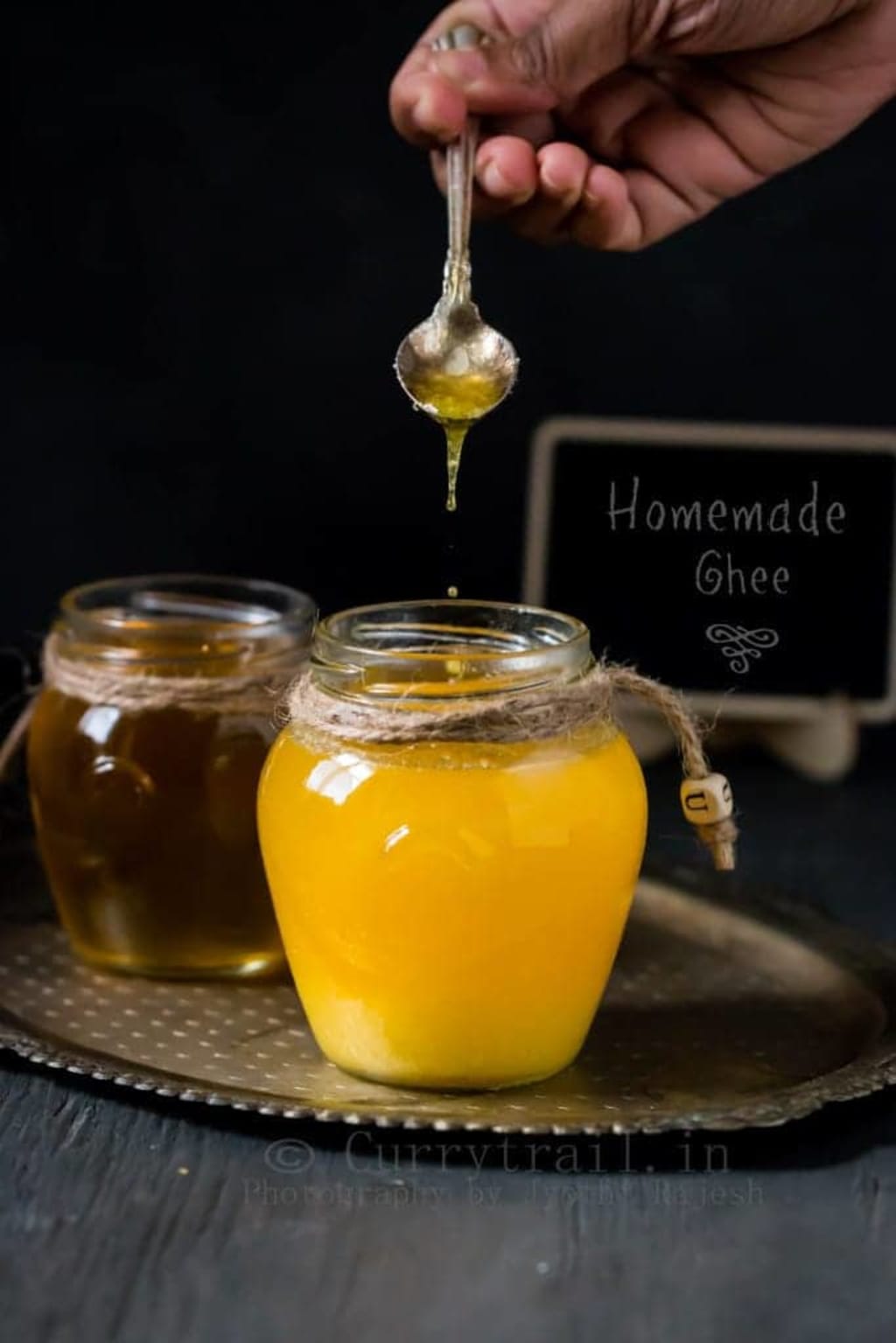
Ghee is a clarified butter that has been a staple of South Asian cooking for centuries. It is commonly used in dishes such as chapati, lentils, rice, and more, and is known for its nutty and concentrated flavor. Ghee is also preferred over traditional butter for its practical benefits, including its longer shelf life and higher smoke point, making it better suited for cooking at high temperatures.
Despite its popularity, ghee can be expensive compared to other types of butter. There are several reasons why ghee is so expensive, including the specialized equipment, time, and effort required to produce it.
One of the primary reasons for the high cost of ghee is the quality of the milk used to make it. In South Asia, ghee is typically made from the milk of indigenous cow breeds, popularly known as their sea cows. These cows are known for producing high-quality milk that is rich in flavor and nutrition. However, they also produce less milk compared to industrial cows, with an average of 10 to 12 liters per day.
To make just one liter of ghee, it takes over 20 liters of milk. When demand for ghee is high, farmers may need to purchase milk from other farmers in the village to keep up with production. This can add to the overall cost of producing ghee, as the price of milk can fluctuate based on availability and demand.
Another factor contributing to the high cost of ghee is the specialized equipment and time required to produce it. Ghee is made using a traditional process that involves churning milk into butter and then clarifying the butter to remove any milk solids. The traditional method used in South Asia involves separating curds and whey from milk, which is then heated and allowed to cool overnight.
The next day, a starter is added to the milk to jumpstart the curdling process, and the curd is left to set at a specific temperature. This process can take up to 30 hours to produce just one kilogram of ghee. The resulting cultured butter is then churned using a specific type of wooden beater called a bologna, which is made from shisham wood and takes around two hours to make by hand.
Using rope and a post for stability, the preparers twist the bilona back and forth to agitate the curd, a process that requires patience and skill. While the bilona is in use, the wood absorbs oil from the ghee, helping to preserve the tool and extend its life. It takes about an hour of continuous churning to separate the butter from the buttermilk.
The results of all that churning are called makhan or cultured butter. To turn it into ghee, the makers heat it up again, boiling the butter to clarify it and separate the liquid from the milk solids. The longer they cook the ghee, the nuttier the aroma and deeper the golden color. The sweet spot for cooking ghee is usually around one to two hours.
The specialized equipment and time required to produce ghee can also contribute to its high cost. While commercial ghee makers often use mechanized processes to churn butter and clarify it quickly, traditional ghee makers in South Asia continue to use the bilona method, which is done completely by hand. This process requires skill, knowledge, and specialized equipment, making it more expensive to produce compared to commercial methods.
Finally, the demand for ghee also plays a role in its overall cost. In recent years, the global market for ghee has been on the rise, with some estimates predicting it will reach $73.5 billion by 2028. The demand for ghee continues to grow, even when it can cost around three times as much as the industrial version, due to the perceived health benefits and the unique flavor.
About the Creator
Keep reading
More stories from Dakshini Jayasekara and writers in Education and other communities.
Different Colors, Different Theories!
Why the different colors used for different suits? When imagining a prisoner, you might think of them wearing an orange jumpsuit. This is true, but it wasn't always like this originally. Options in the U.S were wearing uniforms with black and white stripes. In the early 20th century, things started to change and switching these colors to something else was supposed to cut off the association with gangs. Orange jumpsuits appeared in the 70s- when inmates started being transported outside more often. They're also used when an inmate wants to make themselves more visible to guards or other inmates- they can't blend in as easily when wearing striking orange.
By Dakshini Jayasekara3 years ago in Humans
How AI Is Impacting the Jobs of Website Designers and Developers
Artificial Intelligence (AI) is transforming industries across the globe, and the world of website design and development is no exception. From streamlining workflows and enhancing creativity to automating repetitive tasks and reshaping professional roles, AI’s influence is broad and deep. In this article, we explore how AI is impacting website designers and developers — the opportunities it presents, the challenges it introduces, and how professionals can adapt to thrive in an AI-augmented landscape.
By Rajiv Menon5 days ago in Education
Kiranmala: The tale of Princess Who conquered Magic Mountain
Long ago, in a land far away, the queen was panicked, her grasp on reality seemingly slipping. She had given birth to two boys and one girl. But to her horror, before even meeting their father, each child vanished, something else taking their place. She faced accusations of witchcraft and demon sorcery. And though the king loved her, he was easily swayed. He soon grew doubtful and banished his wife, who left the kingdom in anguish. Little did they know, the queen’s jealous sisters were the ones to replace the newborns
By Munesh Yadavabout 15 hours ago in Education
Silver Screen Magic with Mae West
American actress and singer Mae West became a popular film actress during the Great Depression. She started entertaining in vaudeville, then performed on Broadway, and finally went to Hollywood. She signed up with Paramount Pictures and made her debut in the 1932 film “Night After Night.” She also starred in musicals, comedies, and crime dramas. The American Film Institute named her one of the best classic Hollywood actresses.
By Rasma Raisters6 days ago in Geeks




Comments
There are no comments for this story
Be the first to respond and start the conversation.