
Kidney Stones: Causes, Symptoms, Treatment, and Prevention
Understanding the Painful Condition That Affects Millions Worldwide and How to Manage It Effectively

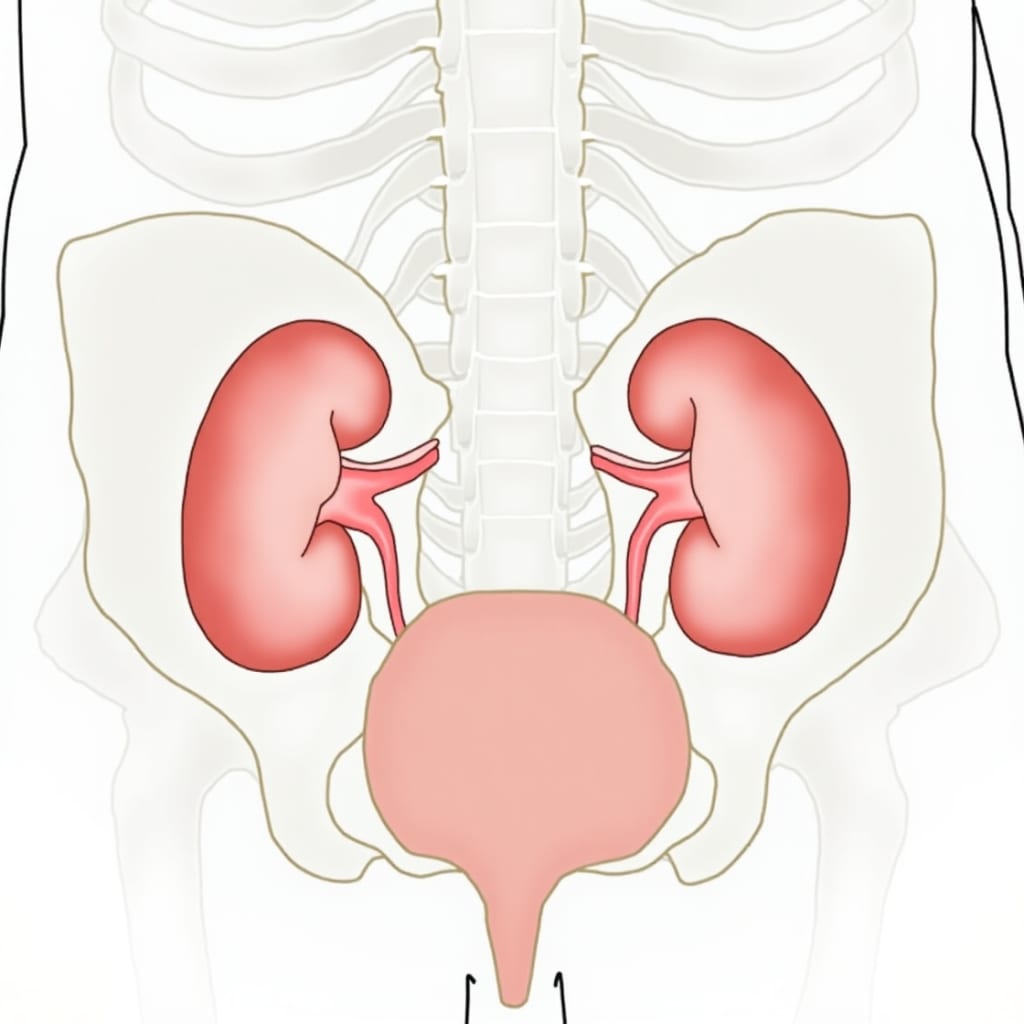
Kidney stones are hard deposits made of minerals and salts that form inside the kidneys. While often small enough to pass unnoticed, larger stones can cause excruciating pain and may lead to serious complications if left untreated. Affecting millions of people globally each year, kidney stones are one of the most common disorders of the urinary tract. They can affect individuals of any age, though adults between 30 and 60 years are most commonly diagnosed.
This article explores the causes, types, symptoms, diagnosis, treatment options, and prevention strategies associated with kidney stones.
---
What Are Kidney Stones?
Kidney stones, also known as renal calculi, are crystalline mineral deposits that develop in the kidneys when urine becomes concentrated and allows minerals to crystallize and stick together. These stones may remain in the kidney or travel down the urinary tract. The process of a stone passing through the urinary system is known as a kidney stone "attack" and can be extremely painful.
---
Types of Kidney Stones
There are several types of kidney stones, each formed from different substances:
1. Calcium Stones – The most common type, usually in the form of calcium oxalate or calcium phosphate. High levels of calcium or oxalate in the urine can contribute to this type.
2. Struvite Stones – Often form in response to urinary tract infections (UTIs). These stones can grow quickly and become quite large.
3. Uric Acid Stones – More common in individuals who lose too much fluid due to chronic diarrhea or malabsorption, and in those with high-protein diets or gout.
4. Cystine Stones – A rare type caused by a genetic disorder called cystinuria, where the kidneys excrete too much of a specific amino acid.
Each type of stone requires a different approach to treatment and prevention.
---
Causes and Risk Factors
Kidney stones result from a combination of dietary, genetic, and environmental factors. Common causes and risk factors include:
Dehydration: Not drinking enough water concentrates the urine, making it easier for crystals to form.
Diet: High salt, sugar, and protein intake can increase the risk of certain types of stones.
Obesity: Higher body weight alters the chemical composition of urine.
Medical Conditions: Hyperparathyroidism, gout, and inflammatory bowel diseases can increase risk.
Family History: If someone in your family has had kidney stones, your chances are higher.
Certain Medications: Some diuretics, calcium-based antacids, and anticonvulsants may contribute to stone formation.
---
Symptoms of Kidney Stones
Small kidney stones may not cause noticeable symptoms and can pass through the urinary tract undetected. However, larger stones can block the flow of urine and cause intense pain. Common symptoms include:
Severe pain in the back, side, lower abdomen, or groin
Painful urination
Blood in the urine (hematuria)
Nausea and vomiting
Frequent urination or urgency
Cloudy or foul-smelling urine
Fever and chills, if an infection is present
Pain often begins suddenly and can shift in location as the stone moves through the urinary tract.
---
Diagnosis
Diagnosis of kidney stones typically involves:
Medical history and physical exam
Urinalysis: To detect blood, infection, or crystals in the urine.
Blood tests: To evaluate kidney function and identify excess substances that could form stones.
Imaging tests: CT scans, ultrasounds, or X-rays can reveal the size, shape, and location of stones.
CT scans are the most accurate method, especially for detecting small stones that may not appear on X-rays.
---
Treatment Options
Treatment depends on the size, location, and type of kidney stone. Common treatment approaches include:
1. Home Management (for small stones):
Increased Fluid Intake: Drinking 2-3 liters of water daily helps flush the stone out.
Pain Relievers: Over-the-counter NSAIDs like ibuprofen can manage pain.
Medical Therapy: Alpha-blockers (e.g., tamsulosin) may relax the ureter, helping the stone pass more easily.
2. Medical Procedures (for large or stubborn stones):
Extracorporeal Shock Wave Lithotripsy (ESWL): Uses sound waves to break stones into smaller pieces.
Ureteroscopy: A thin scope is inserted through the urethra to locate and remove or break up the stone.
Percutaneous Nephrolithotomy: A surgical procedure for large or complex stones requiring removal through a small incision in the back.
Open Surgery: Rare and usually reserved for complicated or very large stones.
---
Prevention Strategies
Preventing kidney stones involves lifestyle and dietary modifications. Key strategies include:
Stay Hydrated: Aim for at least 2-3 liters of water per day; more in hot climates or with heavy activity.
Limit Sodium and Animal Protein: Reducing salt and meat intake can help prevent calcium and uric acid stones.
Eat Calcium-Rich Foods: Contrary to past beliefs, dietary calcium may actually help prevent stones by binding with oxalate in the digestive tract.
Avoid Oxalate-Rich Foods: Spinach, rhubarb, beets, and chocolate are high in oxalate.
Maintain a Healthy Weight: Obesity is a major risk factor for several types of stones.
Follow Medical Advice: If you've had a stone before, your doctor may recommend medication or a specialized diet.
Your doctor might also suggest a 24-hour urine collection to analyze your urine composition and create a tailored prevention plan.
---
Living with Kidney Stones
For those prone to recurrent stones, managing kidney health becomes a lifelong priority. Regular follow-up with a urologist, adherence to dietary advice, and lifestyle changes are essential. In many cases, kidney stones can be managed without surgery, but ignoring symptoms can lead to complications like infections or permanent kidney damage.
Education and awareness are key. Knowing the warning signs and taking proactive steps can make all the difference in minimizing the pain and preventing future stones.
---
Conclusion
Kidney stones are a common yet preventable medical condition that can cause severe pain and complications if not addressed. Understanding the different types of stones, how they form, and what increases your risk can empower you to take control of your kidney health. With proper hydration, dietary awareness, and medical guidance, most people can avoid the recurrence of stones and live a healthy, pain-free life.
If you suspect you have a kidney stone or are experiencing symptoms, consult a healthcare provider promptly for diagnosis and appropriate care.
About the Creator
Why UMPCO Fasteners Still Solve Critical Aerospace Problems Today
When I started researching legacy aerospace fastener manufacturers, I wasn’t just looking for brand names—I was looking for solutions to real aviation problems. Structural failure, vibration fatigue, corrosion at altitude, and long-term reliability are challenges that every aerospace engineer eventually faces. One name that repeatedly surfaced in technical documentation and historical aerospace supply chains was UMPCO fasteners.
By Beckett Dowhan6 days ago in Education
Best Laptop for Digital Art
In the vibrant world of digital art, the right laptop can be your greatest creative ally. Whether you're sketching breathtaking illustrations, designing compelling graphics, or animating entire worlds, you need more than just a machine you need a digital canvas that brings your ideas to life.
By Home Care Ranksabout 19 hours ago in Education




Comments (1)
i love that.