

Anne Frank is one of the most well-known diarists of the Holocaust. Her diary chronicles the daily drama of her life, with her teenage ambition to write fiction being the only motive behind her writing. However, in March 1944, a year before she died in the Bergen-Belsen concentration camp, Anne heard a radio broadcast by a member of the Dutch government in exile. The broadcast promised to publish the letters and diaries of his people after the war. Anne realized from that moment that she was writing for posterity, although she could never have imagined the significance her words would hold in the future.
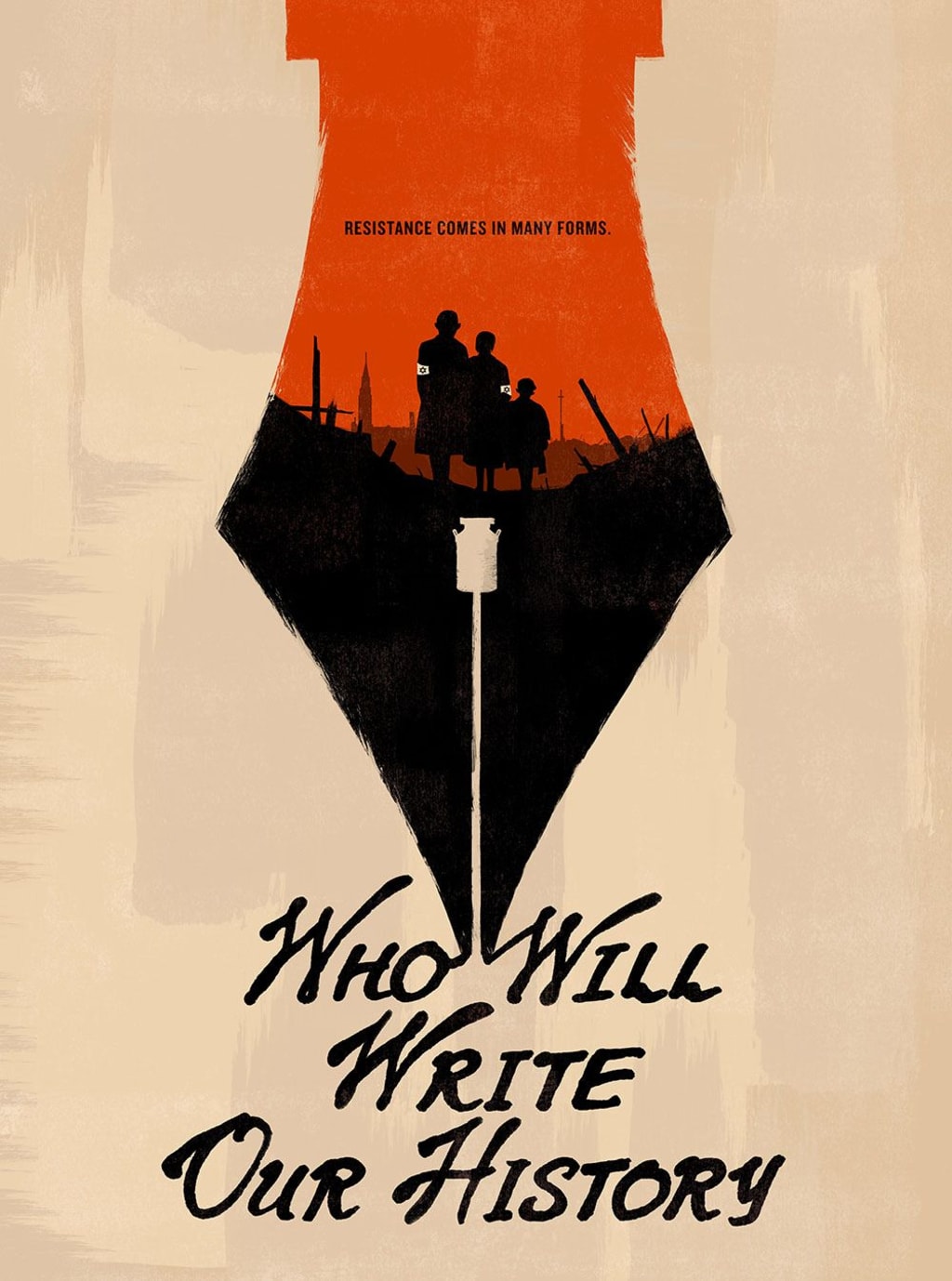
On the other hand, the diarists featured in the documentary “Who Will Write Our History” directed by Roberta Grossman knew from the beginning that they were creating the record of a life that would be wiped away if not for their efforts. These diarists were Jewish residents of Warsaw who were corralled into a walled-off section of the city following Hitler’s invasion of Poland in 1939. This section of the city was overcrowded, systematically starved, impoverished, and became the largest “ghetto” created by the Nazis.
It's important to note that the term “ghetto” implies a desperate residential ruin that develops over time out of socially and economically unjust conditions. However, the Warsaw Ghetto was designed by the Germans as a sprawling, state-run murder asylum. Before the war, approximately 350,000 Jews lived in Warsaw, comprising roughly one-third of the city’s population. Within a few years, nearly all of them had died. Many were deported to Auschwitz or Dachau, but thousands perished in the “ghetto,” which was designed to be a daily purgatory of degradation and torture.
Although it's true that the atrocities committed in the Warsaw Ghetto cannot be trivialized, there was an element of showmanship in the horror. Propaganda is on some level theater, and nearly all the films and photographs that exist of the Warsaw Ghetto were shot by the Germans and reflect their depraved voyeuristic point-of-view. Even when the images resemble news footage, they conjure a pornography of death.
Emanuel Ringelblum, the central figure in “Who Will Write Our History,” was a Polish-Jewish historian who realized early on that the Nazis intended to snuff out every vestige of Jewish culture. He began to keep a diary of what he saw, and he recruited a group of followers, including artists, academics, and writers, to record their daily experiences. The intent was to make sure that these fragments of life would survive on the page. He assembled their diaries into a vast archive code-named Oyneg Shabes (“The Joys of Shabbat”), which contained not only a record of the crimes of the Nazis but also an assertion of the diarists’ own fears, hopes, dreams, identities, daily habits, and small pleasures, all experienced in the face of hell. Their diaries became a form of resistance, a rejection of the walking death to which the Nazis had consigned them. The voice of Oyneg Shabes shot down that mythic racist lie by declaring the fullness of their emotions and the abundance of their lives.
“Who Will Write Our History” is a vital and sobering documentary based on a book by Samuel D. Kassow. The film chronicles the true-life Holocaust detective story of how Oyneg Shabes operated, including the gathering of the diaries and how they were concealed and hidden in bunkers. However, what’s haunting about the movie is its existential chronicle of the Warsaw Ghetto and how the humanity within its borders fought to keep from melting away.
The film's extensive use of dramatic re-enact
About the Creator
JovialPrincy
As a movie reviewer I like to share my love of film with others,to spark conversation and debate and to provide a thoughtful perspective on the movies that shape our lives and our culture. My reviews will help you to create your own film.
Keep reading
More stories from writers in Education and other communities.
How, Too
Many people wonder how, too. You are not alone, and I am an expert. I will teach you how, too! First, you need to remit a small application fee and fill out an application describing the nature of your financial situation and how often payments will be made, as this will have great bearing on how well I teach you how, too.
By Harper Lewis5 days ago in Fiction



Comments
There are no comments for this story
Be the first to respond and start the conversation.