
What is the Role of Self-Care in Maintaining Mental Health?
Maintaining Mental Health?
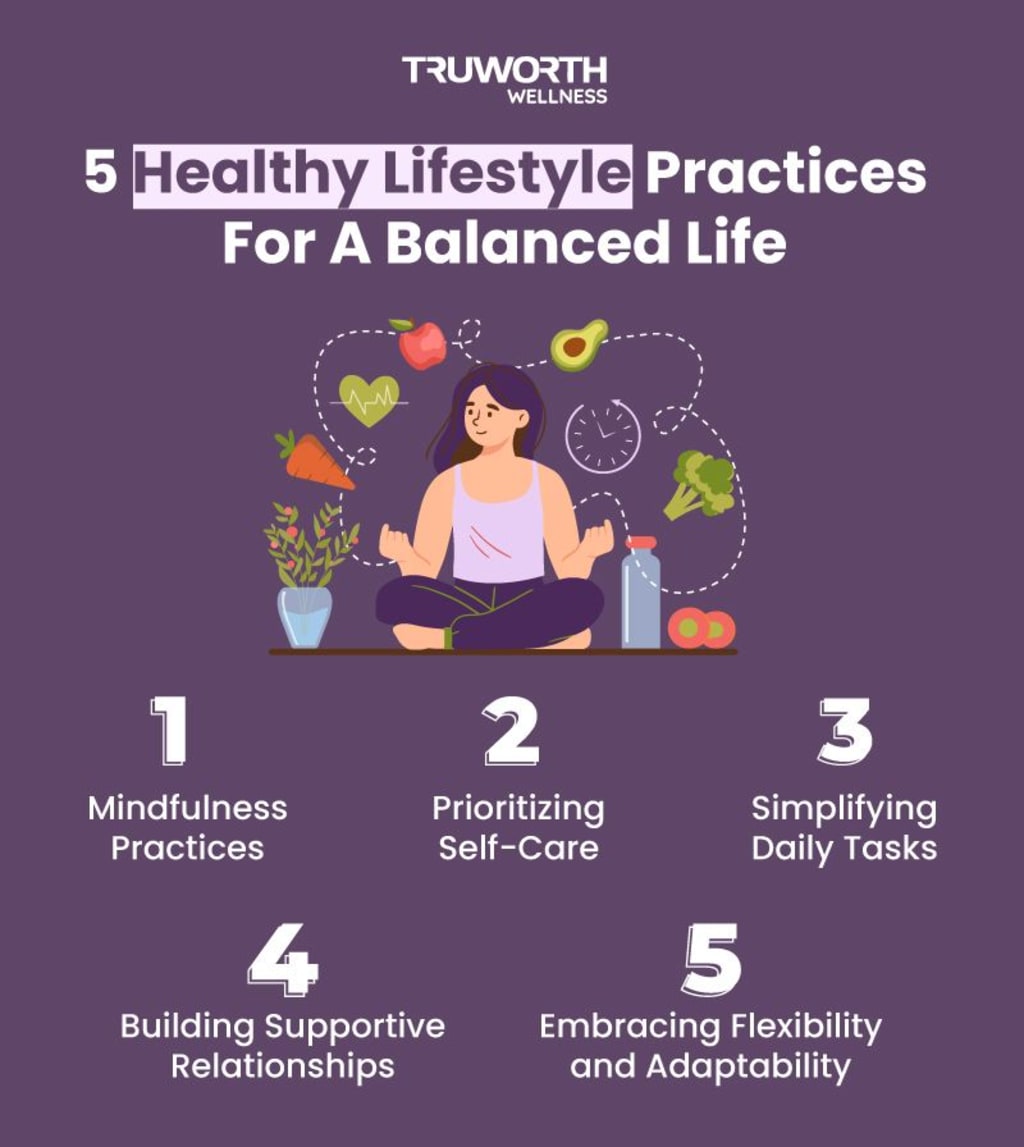
Self-care is a buzz phrase that has been popular in recent years and is commonly associated with wellness habits, stress reduction, or lifestyle. But behind the hype, self-care is a fundamental foundation for mental health. Self-care is purposeful activities and practices people engage in to stay or improve their physical, emotional, and psychological well-being.
Self-care in mental health is not selfish—it is vital. Prioritizing self-care, one becomes resilient, lowers the risk for mental health issues, and develops a healthier relationship with others and themselves.
Knowing Self-Care
Self-care involves being mindful of one's needs and making a conscious effort to meet them. It is a question of living in harmony in so many spheres of life rather than reacting to crises. Significantly, self-care does not look the same to everybody—it is highly individual and depends on lifestyle, culture, and individual requirements.
World Health Organization (WHO) defines self-care as one's ability to seek health, avoid disease, and remain healthy. It emphasizes that self-care is not just a luxury but also a responsibility.
The Connection Between Self-Care and Mental Health
Prevention of Burnout: Continuous self-care sustains emotional and physical vigor, especially among those whose work is high-stress or caregiving.
Stress Reduction: Meditation, journaling, or exercise lowers cortisol levels and calms the mind.
Improved Emotional Regulation: Self-care routines build coping mechanisms that manage anxiety, depression, and mood swings.
Increased Self-Worth: Cultivating self-importance enhances feelings of worth and respect for oneself.
Improved Relationships: A cared-for individual is more patient, empathetic, and emotionally available to others.
Self-Care Types
Self-care is multidimensional, covering physical, emotional, social, spiritual, and practical aspects of living.
1. Physical Self-Care
Body care supports mental health directly. Examples include:
Exercise regularly (yoga, walking, gym exercises).
Healthy diet (fresh fruits, vegetables, whole grains, and proteins).
Sufficient sleep with regular sleep cycles.
Medical check-up and preventive therapy.
2. Emotional Self-Care
Identifying, processing, and releasing emotions in a positive manner. Examples include:
Journaling of thoughts and feelings.
Talking to a therapist or a close friend.
Mindfulness and meditation.
Setting emotional boundaries.
3. Social Self-Care
Human interaction is essential for good mental health. Examples include:
Spend quality time with loved ones.
Engaging in clubs or community groups.
Seeking supportive and positive relationships.
Limiting contact with toxic or draining individuals.
4. Spiritual Self-Care
Not so much about religion—spiritual self-care is about connecting and finding meaning outside of the self. Examples:
Meditation and mindfulness practice.
Prayer or religious ceremony.
Nature time.
Practice of gratitude.
5. Practical Self-Care
These are activities that reduce stress by making life more structured and stable. Examples:
Time management and planning.
Financial planning and budgeting.
Setting realistic goals.
Having a tidy living space.
Common Misconceptions About Self-Care
“Self-care is selfish.”
In reality, self-care equips individuals to be more present and effective in their personal and professional lives.
“It has to be expensive.”
While spa days and vacations are forms of self-care, simple and cost-free practices like deep breathing, walking, or journaling can be equally effective.
“It’s only about relaxation.”
True self-care also includes discipline—like going to bed on time, saying no when necessary, or seeking therapy.
Barriers to Practicing Self-Care
Time Limits: Schedules and necessity of work cause individuals to believe that they can't take time for themselves.
Cultural Beliefs: Some cultures believe self-care is self-indulgence and not something a person should practice.
Guilt: Most people believe that it's bad to prioritize their own needs over others'.
Unawareness: People may not be aware of what type of self-care works best for them.
Overcoming these barriers requires a mindset change—understanding that self-care is an investment, not a luxury.
Practical Self-Care Strategies
Start Small: Begin with 10–15 minutes a day of mindfulness or stretching.
Schedule Self-Care: Prioritize it like any other important appointment.
Personalize Your Routine: Experiment with lots of things until you find what rejuvenates you.
Use Technology Wisely: Meditation, journaling, or habit-tracking apps can help create consistency.
Set Boundaries: Practice saying no to activities or people that drain energy.
Case Example
Meera, a working mother who was 40 years old, often ignored her needs in favor of responding to work and family. After some time went by, she was drained, irritable, and aloof. With the help of her therapist, she began incorporating simple self-care habits: 20 minutes of yoga in the morning, nighttime journaling, and boundaries around work emails after 7 PM. Before she knew it, she was more energized, emotionally stable, and bonded with her family.
This drawing demonstrates that self-care is not really complex; small and consistent action has great impact.
Long-Term Benefits of Self-Care
Increased Mental Strength: Stronger when coping with stress and setbacks.
Improved Physical Health: Compromised immune system, lower risk of chronic disease.
stronger Identity: Improved understanding of personal values and priorities.
Increased Satisfaction in Life: Increased joy, satisfaction, and emotional equilibrium.
Final Thoughts
Self-care is not high-end indulgence or perfection—it is intentional, regular practices that protect and foster mental wellness. By incorporating self-care into daily habits, individuals develop resilience, prevent burnout, and construct a healthier, more balanced life.
Placing self-care at the top of the priority list allows individuals to show up wholeheartedly in relationships, work, and communities. In the long run, it is one of the most powerful tools against mental illness.
For professional guidance and mental wellbeing, please see:
About the Creator
Keep reading
More stories from Naveen Garg and writers in Education and other communities.
What are the early warning signs of depression, and how are they controlled?
Depression is a serious mental disorder that lasts much longer than ordinary sadness or fleeting low mood. It is a chronic, disabling illness that affects emotions, thoughts, physical health, and daily functioning. One of the most important actions in depression management is recognizing its early symptoms. Treatment at an early stage can prevent symptoms from worsening, improve recovery outcomes, and reduce the long-term impact on an individual's life.
By Naveen Garg5 months ago in Education
Can You Really Earn Money With Transcription? The Real Income Reality
The short answer is yes—you can earn money with transcription. But the more honest, useful answer is this: transcription only becomes worthwhile when you understand how the income actually works, not how it’s often presented online.
By Mahesh Kumar5 days ago in Education
A brief history of chess
The attacking infantry advances steadily, their elephants already having broken the defensive line. The king tries to retreat, but enemy cavalry flanks him from the rear. Escape is impossible. But this isn’t a real war– nor is it just a game. Over the roughly one-and-a-half millennia of its existence, chess has been known as a tool of military strategy, a metaphor for human affairs, and a benchmark of genius. While our earliest records of chess are in the 7th century, legend tells that the game’s origins lie a century earlier.
By Munesh Yadavabout 11 hours ago in Education


Comments
There are no comments for this story
Be the first to respond and start the conversation.