
What are the early warning signs of depression, and how are they controlled?
Early warning signs of depression
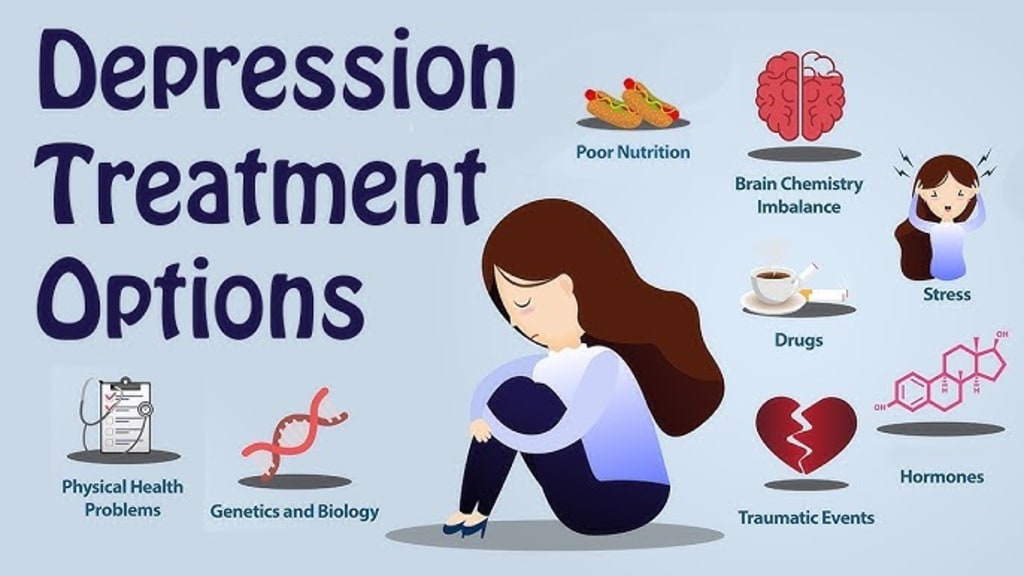
Depression is a serious mental disorder that lasts much longer than ordinary sadness or fleeting low mood. It is a chronic, disabling illness that affects emotions, thoughts, physical health, and daily functioning. One of the most important actions in depression management is recognizing its early symptoms. Treatment at an early stage can prevent symptoms from worsening, improve recovery outcomes, and reduce the long-term impact on an individual's life.
In this long answer, we will cover the early warning signs of depression, their significance, and the therapeutic and lifestyle approaches that can be helpful in addressing them effectively.
Understanding Depression
Depression is a mood disorder characterized by extreme sadness, loss of interest in activities that were previously enjoyable, and a range of physical and emotional symptoms. It happens to people of all ages, backgrounds, and circumstances. Depression is different from regular sadness, which typically only lasts for a short period of time, in that it persists and generally requires professional treatment.
Early Warning Signs of Depression
It's essential to note early symptoms since depression creeps in gradually. A majority of individuals ignore or justify these symptoms, delaying treatment. Some key early warning signs are:
1. Persistent Sadness or Low Mood
A classic early symptom is experiencing sadness, emptiness, or hopefulness most of the day, nearly every day.
2. Loss of Interest or Pleasure (Anhedonia)
Activities that were once pleasurable—hobbies, social interactions, or even daily routines—lose their appeal.
3. Changes in Sleep Pattern
Insomnia (difficulty falling or staying asleep).
Hypersomnia (excessive sleeping).
Sleep disturbance is an early symptom of depression.
4. Fatigue and Low Energy
Even small tasks appear overwhelming, leading to low productivity and task avoidance.
5. Changes in Appetite and Weight
Loss of appetite leading to weight loss.
Comfort eating leading to weight gain.
6. Difficulty Concentrating
Depression influences intellectual processes such as memory, decision-making, and concentrating.
7. Irritability and Restlessness
Often not perceived, irritability can be a strong initial symptom, especially in young people.
8. Social Withdrawal
Withdrawal from friends, family, or social activities to evade contact is a common sign.
9. Unexplained Physical Pains
Headache, gastrointestinal problems, and body aches without obvious medical causes can indicate depression.
10. Feelings of Worthlessness or Guilt
Self-blaming attitudes, feelings of inadequacy, or unwarranted guilt are typically present.
Why Early Recognition Matters
Prevents Worsening: Early treatment can stop mild depression from escalating into severe forms.
Protects Physical Health: Depression weakens immune function, cardiovascular health, and energy levels.
Reduces Risk of Suicide: Early detection of warning signs can be life-saving.
Improves Treatment Response: Early treatment also leads to better outcomes with therapy and medication.
Addressing Depression: Evidence-Based Strategies
Now that early warning signs have been recognized, it's time to take proactive action.
1. Seeking Professional Help
A mental health professional can provide a proper diagnosis and treatment plan. This may include therapy, medication, or a combination of both.
Therapy Options:
Cognitive Behavioral Therapy (CBT): Helps challenge negative thoughts and replace them with balanced ones.
Interpersonal Therapy (IPT): Enhances relationships and communication.
Psychodynamic Therapy: Explores underlying emotional conflicts.
Medication:
Antidepressants (SSRIs, SNRIs, etc.) may be prescribed to balance brain chemistry.
2. Lifestyle Changes
Regular Exercise: Boosts endorphins and serotonin, improving mood.
Healthy Nutrition: A balanced diet promotes brain and body health.
Adequate Sleep: Good sleeping habits reduce depressive symptoms.
Mindfulness and Relaxation: Deep breathing, meditation, and yoga reduce rumination.
Social Support: Talking with close friends or joining support groups reduces isolation.
3. Self-Help Strategies
Journaling: Writing down feelings can promote clarity and unload pent-up emotions.
Setting Small Goals: Breaking tasks into small steps avoids feelings of overwhelm.
Limiting Alcohol and Drugs: Alcohol and drug consumption can worsen depression symptoms.
Routine Building: Daily routine promotes stability.
Case Example
Ritika, a marketing executive aged 28, began to lose interest in her hobbies, felt fatigued, and was avoiding friends. She initially blamed it on work pressure. As time passed, her sleep patterns worsened, and she felt increasingly hopeless. Because she was aware of these warning signs, she went to see a therapist. Through the help of CBT, journaling, and establishing a structured routine, Ritika gradually regained her energy and started enjoying life once again.
Challenges in Treating Early Depression
Stigma: Fear of judgment dissuades many from seeking treatment.
Misinterpretation: Early symptoms are mistaken for laziness or stress.
Access to Care: Lack of mental health professionals can delay treatment.
It is important to break through these barriers with awareness campaigns, supportive workplaces, and accessible healthcare.
Long-Term Outlook
Through early intervention, individuals with initial symptoms of depression can fully recover. Ongoing self-care, therapy, and social support are protective factors against relapse. One must remember that depression is not a sign of weakness but a medical illness that needs to be taken care of and understood.
Final Thoughts
Depression creeps up unnoticed, but its early warning signs can be detected. Picking up symptoms like persistent sadness, sleep or appetite disturbances, loss of interest, and social withdrawal can prompt early treatment. Treatment, lifestyle modification, and support networks are crucial to healing. By catching depression in its early stages, individuals not only regain their well-being but also strengthen their resilience for the future.
If you or anyone you know are showing signs of depression, professional intervention can make a whole lot of difference.
For help and guidance, please go to:
https://www.delhimindclinic.com/
Feel free to reach out to me if you'd like to chat about revisions to your Craft site or simply discuss your Craft project. I'm here for a complimentary consultation!
About the Creator
Keep reading
More stories from Naveen Garg and writers in Education and other communities.
What Are the Common Symptoms of Depression and How Does Therapy Help?
Depression is one of the most common mental health disorders globally. Unlike normal sadness, which everybody occasionally experiences, depression is a long-term and chronic disease that affects how a person feels, thinks, and functions. It can impact relationships, work, physical health, and overall quality of life.
By Naveen Garg5 months ago in Education
Designing a Meaningful Future: Strategic Planning for Mission-Focused Entrepreneurs
In today’s evolving business landscape, entrepreneurs are increasingly motivated by more than financial success. Many are building companies around a mission to create social, environmental, or community-driven impact. While passion and vision ignite these ventures, strategic planning transforms purpose into a lasting, scalable business. For mission-focused entrepreneurs, planning is not about restriction but about clarity, alignment, and sustainable growth.
By Mario Payne2 days ago in Education
Why Did Einstein Dislike Quantum Mechanics? The Greatest Scientific Disagreement Ever
Einstein Helped Create Quantum Mechanics It is often forgotten that Einstein was a pioneer of quantum physics. In 1905, Einstein proposed that light comes in discrete packets called photons. This explained the photoelectric effect and earned him the Nobel Prize. His work was one of the pillars of quantum theory.
By shahkar jalal6 days ago in Education


Comments
There are no comments for this story
Be the first to respond and start the conversation.