
What is the role of nutrition on mental health?
nutrition on mental health

In recent years, the conversation regarding mental health has expanded past psychology and psychiatry to include a more comprehensive understanding of what contributes to emotional health. Areas that have drawn increased attention include the interplay between nutrition and mental health. As surprising as it might seem, what we eat plays a high factor in how we think, feel, and cope with stress. Just like our bodies need nutrients to function optimally, so does our brain.
Recent research in psychoneuroimmunology and nutritional psychiatry reveals that food is not just fuel—it's brain medicine. Understanding this association can empower individuals to make diet changes to support mental health.
How Are the Gut and Brain Connected?
One of the foundation premises in the nutrition-mental health relationship is the gut-brain axis—a two-way communication system involving the brain and the gastrointestinal tract. It is mediated by:
The vagus nerve
The immune system
Hormonal pathways
The gut microbiome
The gut microbiome—trillions of microbials and bacteria that live in our intestines—is responsible for producing neurotransmitters such as serotonin, dopamine, and GABA. In fact, the body makes about 90% of its serotonin in the gut. These neurotransmitters affect mood, motivation, anxiety, and sleep.
An imbalance of the gut bacteria, also known as dysbiosis, has been linked to mental health disorders such as depression, anxiety, and even schizophrenia. That is to say that a healthy gut may have a significant impact on emotional stability and clear thinking.
Critical Nutrients and Their Benefits for Mental Health
There are some nutrients that directly contribute to brain function and mood. These are the most important:
1. Omega-3 Fatty Acids
Found in fatty fish (salmon, sardines, mackerel), flaxseeds, walnuts, and chia seeds, omega-3s are required for:
Maintaining mood
Reducing brain inflammation
Sustaining cognitive function
Studies have shown that individuals with inadequate levels of omega-3 consumption are more at risk of depression and cognitive decline. Omega-3 supplementation has been successful in alleviating symptoms of depression and bipolar disorder.
2. B Vitamins
Chiefly B6, B9 (folate), and B12, these vitamins are essential for:
Synthesizing neurotransmitters
Metabolizing energy
Brain development
Deficiency in B vitamins typically causes fatigue, irritability, and reduced ability to focus. Folate deficiency has also been found to be associated with higher levels of depression.
3. Magnesium
Having been described as a "calming" mineral, magnesium helps regulate:
Sleep
Reaction to stress
Muscle and nerve function
Insufficient magnesium may cause anxiety, irritability, and insomnia. Leafy greens, nuts, seeds, legumes, and whole grains are foods rich in magnesium.
4. Zinc
Zinc supports neurotransmitter function and regulation of immune function. It is found in pumpkin seeds, lentils, eggs, and shellfish. Zinc deficiency has been correlated with elevated depressive symptoms and impaired concentration.
5. Iron
Iron supports delivery of oxygen to the brain and supports production of dopamine. Anemia (most commonly iron deficiency anemia) may lead to fatigue, loss of interest, and difficulty concentrating.
6. Tryptophan
Found in turkey, eggs, nuts, and seeds, an amino acid, tryptophan serves as a precursor to serotonin. A diet of tryptophan is useful for mood improvement and sleep.
The Effect of Processed Foods on Mental Illness
While nutrient-dense foods have the potential to boost brain function, a diet comprised of big quantities of processed food, added sugar, and trans fats can do the opposite. Numerous studies have connected diets high in ultra-processed food with increased levels of:
Depression
Anxiety
ADHD symptoms
Cognitive impairment
These foods cause spikes and drops in blood sugar, leading to irritability and mood swings. They also cause chronic inflammation—a leading cause of mental illness.
Secondly, excessive sugar consumption has been shown to affect the brain's reward system to a higher level of addiction-like behaviors and cause anxiety and depression when they are deficient.
The Mediterranean Diet: A Model for Mental Well-being
The most well-studied eating style for mental health is the Mediterranean diet. It emphasizes:
Fresh vegetables and fruits
Whole grains
Legumes and nuts
Healthy fats (mainly olive oil and fish)
Minimal processed food and red meat
Research has found that individuals on a Mediterranean diet are at reduced risk of cognitive impairment and depression. The SMILES trial (a landmark research in 2017) found that patients with moderate to severe depression on diet advice and eating a Mediterranean-style diet showed improvement in mood status over a control group.
Blood Sugar and Mood Stability
Level blood sugar for clear thinking and mood regulation. When blood sugar drops (as it does after eating high-sugar, low-fiber foods), individuals can get nervous, irritable, or fatigued.
How to balance out blood sugar:
Eat balanced meals with protein, good fats, and complex carbohydrates
Do not skip meals
Choose low glycemic index (GI) foods including legumes, whole grains, and vegetables
Avoid added sugars foods and drinks
The Role of Hydration
Even mild dehydration will compromise concentration, energy, and mood. The brain is composed of approximately 75% water, and adequate hydration supports neurotransmitter production and mental function. Being able to consume sufficient water daily (around 2–3 liters, depending upon activity) is a simple yet effective habit for mental health.
Food Allergies and Sensitivities
In some individuals, food intolerances or sensitivities (for example, to gluten or dairy) can cause inflammation, fatigue, or confusion that worsen either depression or anxiety. While not everyone needs to avoid these foods, it may be helpful to notice how particular foods affect your mood or energy.
Nutrition in Mental Health Treatment Plans
While diet alone is not a treatment or medication alternative, it is a vital component of a comprehensive mental health treatment plan. It is not at all surprising to observe numerous psychiatrists, therapists, and primary care physicians incorporating nutritional information into their treatment regimens.
Nutrition is not a band-aid but, instead, a piece of a long-term brain wellness and emotional toughness plan.
Practical Tips for Supporting Mental Health Through Diet
Start small: Increase one more serving of vegetables each day or make the switch to whole grain from white bread.
Plan meals: Cooking advance meals can reduce the temptation for processed food.
Eat mindfully: Eat slowly, savor food, and pay attention to how different meals affect your body.
Cook at home: This gives you control over ingredients and portion sizes.
Consult for direction: A seasoned mental health dietitian can create a personalized meal plan.
Closing Thoughts
The phrase "you are what you eat" takes on a new meaning when we consider mental health. While no single food item can cure depression or anxiety, a consistent regime of nourishing the body with whole, nutrient-filled foods can provide the foundation for improved mood, sharper mind, and more emotional stability.
The relationship between mental health and food is powerful and unique. By listening to your body, being mindful about eating, and obtaining the help that you require, you can make a big difference in achieving emotional and psychological well-being.
If you or someone you care about is struggling with mental health, look beyond drugs and talk therapy. Nourishing your brain with the right foods can be a vital missing piece to healing.
To find out more about professional mental healthcare, visit:
https://www.delhimindclinic.com/
https://www.craftcmsdeveloper.in/
If you want to make your Craft website modern again or would like to discuss your Craft project, don't hesitate to reach out. I'd love to provide a free consultation!
About the Creator
Keep reading
More stories from Naveen Garg and writers in Education and other communities.
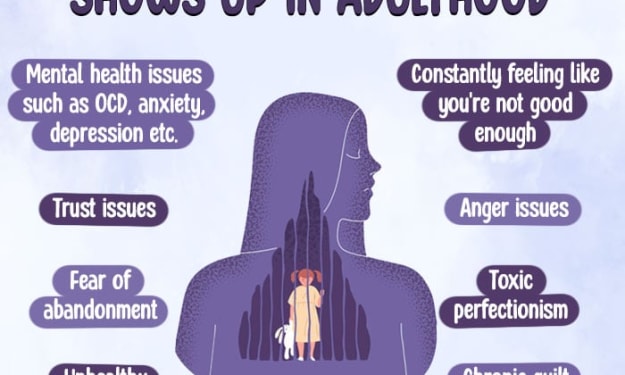
How does childhood trauma affect mental health in adulthood?
What is the impact of childhood trauma on adult mental health? Childhood ought to be a time of safety, learning, and emotional growth. For some, however, it is also a time of trauma—experiences that are extremely stressful and overwhelming. Childhood trauma can take many various forms: abuse (physical, emotional, or sexual), neglect, domestic violence, death of a caregiver, or growing up in a household devastated by mental illness, alcohol or drug abuse, or chronic conflict.
By Naveen Garg6 months ago in Education
Mastering X-Bar Theory in Grammar in 10 Minutes
Grammar can often feel like a maze of confusing rules, especially when we dive into syntax — the study of sentence structure. One of the foundational tools in modern linguistics is X-Bar Theory, a framework that helps explain how words and phrases combine to form sentences. While it might sound intimidating, understanding X-Bar Theory can become straightforward if approached step by step.
By Games Mode Onabout 11 hours ago in Education
Miss Persephone's Manual to a Seemingly Ordinary Life
Miss Persephone was found at the dining table, her blue eyes swollen, her tears arriving and retreating like the tides of the ocean. Earlier that day, her family had visited her in the retirement home where she had lived for eight years. It was her eightieth birthday.
By Imola Tóth4 days ago in Fiction



Comments
There are no comments for this story
Be the first to respond and start the conversation.