
What is dropshipping and benefits of dropshipping
Read this

Drop shipping is a retail fulfillment method in which a store doesn't keep the products it sells in stock. Instead, when a store sells a product, it purchases the item from a third party and has it shipped directly to the customer.
The benefits of drop shipping include:
Low Startup Costs: As the retailer doesn't need to buy inventory upfront, they can start their business with very low capital investment.
No Need for Storage Space:
As there is no inventory to store, the retailer doesn't need to rent a warehouse or store.
Wide Product Selection:
The retailer can offer a wide variety of products as they don't need to purchase and stock inventory upfront.
Low Overhead:
Since the retailer doesn't need to handle inventory or packaging, the overhead costs are much lower.
Location Independence:
The retailer can operate their business from anywhere as long as they have an internet connection.
Scalability:
The retailer can easily scale up their business as they don't need to worry about managing inventory or shipping products themselves.
Less Hassle:
Drop shipping eliminates many of the day-to-day tasks associated with running an ecommerce business, such as managing inventory, packing and shipping orders, and handling returns.
Flexibility:
With drop shipping, the retailer has the flexibility to test different products and markets without committing a lot of capital upfront.
Access to Global Suppliers:
By working with drop shipping suppliers from around the world, retailers can offer products that may not be available in their local market.
Higher Profit Margins:
As the retailer doesn't need to purchase inventory upfront, they can avoid the costs associated with holding and storing inventory. This can lead to higher profit margins on each sale.
Easy to Start:
Drop shipping is relatively easy to set up and requires minimal technical expertise. Most suppliers provide the retailer with all the necessary product information, images, and descriptions.
Time Savings:
By not having to handle inventory and shipping, the retailer can focus on marketing and growing their business.
Customer Service Support:
Many drop shipping suppliers offer customer service support, which can help the retailer maintain a positive reputation and ensure customer satisfaction.
Branding:
With drop shipping, the retailer can add their own branding to the products they sell, such as logos or packaging, which can help create a unique selling proposition and increase brand awareness.
Reduced Risk:
By not holding inventory, the retailer can avoid the risk of products becoming obsolete or unsellable. This can be particularly useful for retailers selling in fast-changing markets.
Better Cash Flow:
With drop shipping, the retailer doesn't need to purchase inventory upfront, which can help improve cash flow and reduce the risk of running out of cash.
Scalability:
Drop shipping can be a scalable business model as there is no limit to the amount of inventory that can be sold. The retailer can easily scale up their business by adding more products or expanding into new markets.
Niche Products:
Drop shipping can be an effective way to sell niche products that may not have a wide market. By using drop shipping, the retailer can target specific audiences and offer a wide variety of products in their niche.
Lower Shipping Costs:
As the products are shipped directly from the supplier, the retailer can avoid shipping and handling costs associated with traditional inventory management.
Access to Analytics:
Many drop shipping platforms offer analytics tools that can help retailers understand their customers' purchasing behavior and make data-driven decisions to improve their business.
Click here to check the best
About the Creator
Keep reading
More stories from Abdur Rahman and writers in Education and other communities.
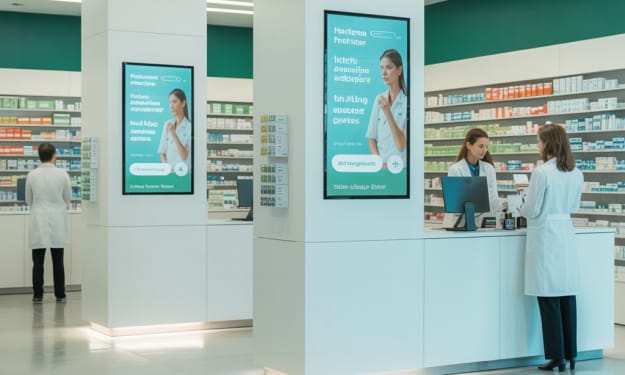
How to Implement Digital Signage in Your Pharmacy
I'll never forget the first time I walked into a pharmacy with digital signage displays showing real-time prescription wait times and health tips. As someone who'd spent years waiting in line wondering how much longer I'd be there, seeing that information displayed so clearly felt revolutionary. That experience stuck with me, and when I later helped my cousin implement digital signage in her independent pharmacy, I realized just how transformative this technology could be for both pharmacy owners and customers.
By Jerry Kane 5 days ago in Education
Prevention First: How Proactive Medical Care Builds Stronger Communities
Preventive medical care plays a critical role in shaping healthier communities. When people receive care before illness develops, they avoid many severe conditions. This approach improves quality of life and reduces strain on healthcare systems. Moreover, prevention supports long-term wellness rather than short-term treatment. Communities that prioritize preventive care experience lower rates of chronic disease. As a result, individuals remain active and productive. Preventive care, therefore, serves as the foundation for sustainable public health.
By St. John's Community Health7 days ago in Education


Comments
There are no comments for this story
Be the first to respond and start the conversation.