
What is depression and how can it be treated effectively?
What is depression
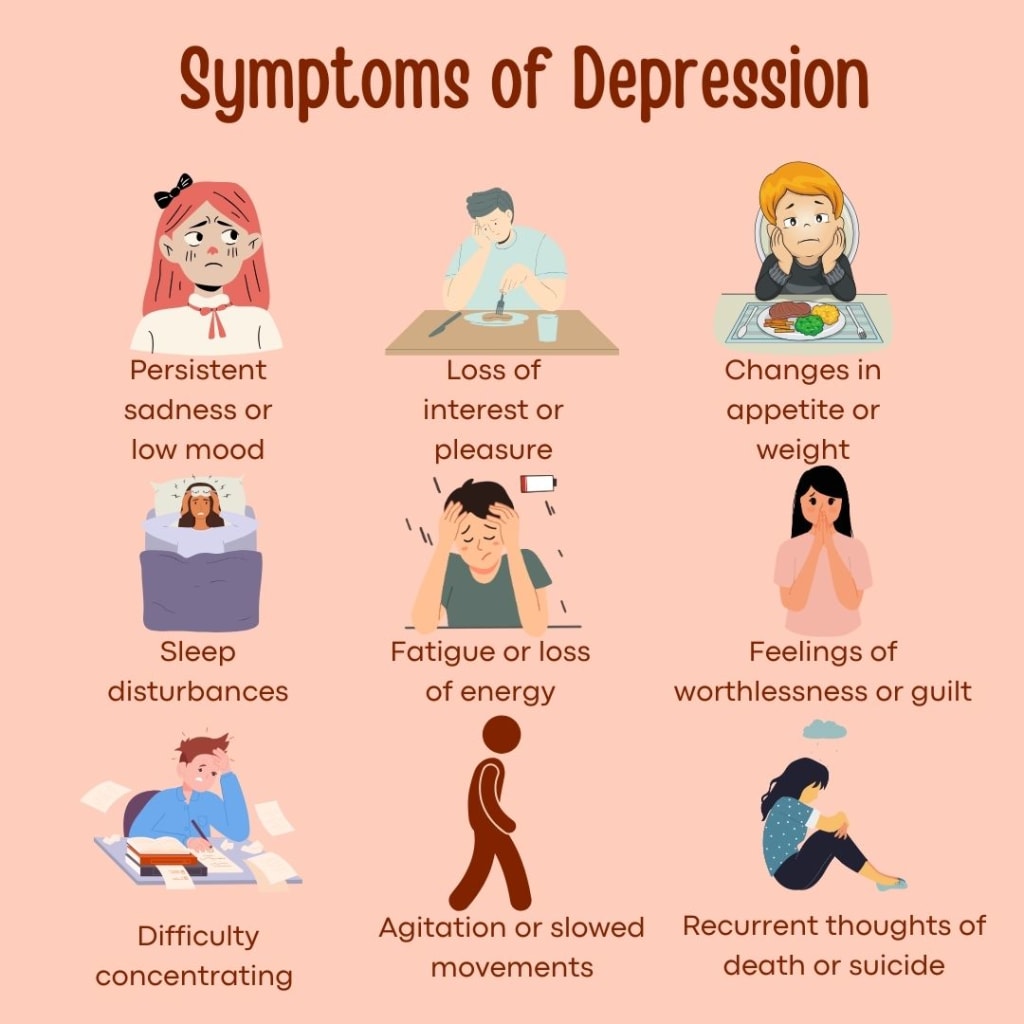
Depression is a common but serious mental health condition that affects how a person feels, thinks, and acts. It goes beyond just feeling sad or having a bad day. Depression is a long-lasting emotional state marked by low mood, loss of interest in activities, fatigue, trouble concentrating, and changes in sleep or appetite. Sometimes, depression can lead to feelings of worthlessness, hopelessness, and even thoughts of self-harm or suicide.
Understanding Depression
Depression is not a sign of weakness or a flaw in one’s character. It involves a mix of biological, psychological, and social factors. Genetics can make a person more likely to experience depression, especially if there is a family history of mood disorders. Changes in brain chemistry, particularly imbalances in neurotransmitters like serotonin and dopamine, are often seen in people with depressive symptoms. Additionally, stressful life events such as trauma, the loss of a loved one, or chronic medical conditions can trigger or worsen depression.
There are several types of depression, including:
- Major Depressive Disorder (MDD): Characterized by at least two weeks of persistent low mood and other symptoms.
- Persistent Depressive Disorder (Dysthymia): A chronic form lasting for at least two years.
- Bipolar Depression: Occurs in people with bipolar disorder during depressive episodes.
- Postpartum Depression: Affects new mothers shortly after childbirth.
- Seasonal Affective Disorder (SAD): Related to changes in seasons, usually occurring in winter.
Signs and Symptoms
While depression looks different for everyone, common symptoms include:
- Persistent sadness or feeling empty
- Loss of interest in hobbies and activities
- Fatigue or low energy
- Changes in appetite and weight
- Trouble sleeping or oversleeping
- Feelings of worthlessness or strong guilt
- Difficulty concentrating or making decisions
- Thoughts of death or suicide
Diagnosis and Treatment
Mental health professionals typically use clinical interviews, standardized questionnaires (like the PHQ-9), and sometimes physical exams to identify any other medical conditions. It's important to check for thyroid problems, vitamin deficiencies, or other physical issues that may resemble depressive symptoms.
Treatment Approaches
Psychotherapy:
- Cognitive Behavioral Therapy (CBT): Helps individuals identify and question negative thoughts and develop healthier coping strategies.
- Interpersonal Therapy (IPT): Focuses on improving relationships and communication skills.
- Psychodynamic Therapy: Examines unconscious patterns based on past experiences.
Medications:
Antidepressants such as SSRIs (e.g., fluoxetine, sertraline), SNRIs, or tricyclics are often prescribed. Medication may take several weeks to show effects, and regular follow-ups are important.
Lifestyle Modifications:
Regular exercise can help improve mood. A balanced diet and good sleep habits play a key role in mental health. Cutting back on alcohol and caffeine can also be beneficial.
Support Systems:
Support groups and conversations with trusted friends or family can lessen feelings of isolation. Educating loved ones about depression helps create a compassionate and supportive environment.
Alternative Therapies:
Mindfulness, yoga, and meditation can enhance other treatments. Some individuals may find art or music therapy helpful.
Hospitalization or Intensive Outpatient Programs (IOP):
In severe cases, especially when there is a risk of self-harm, more intensive interventions might be necessary.
Living with Depression
Recovery from depression is not a straight path. Some days will be harder than others. It’s important to have realistic expectations and be patient with the healing process. Establishing a structured daily routine, setting small achievable goals, and being kind to yourself can all help.
Seeking help early can greatly improve outcomes. There is no shame in asking for support—mental health matters just as much as physical health.
For more resources and professional help, you can visit:
https://www.delhimindclinic.com/
https://www.craftcmsdeveloper.in/
Feel free to reach out if you'd like to make changes to your Craft website or just discuss your Craft project. I'm available for a free consultation!
About the Creator
Keep reading
More stories from Naveen Garg and writers in Education and other communities.
How can mindfulness and meditation be used to manage mental health conditions like anxiety and depression?
Mindfulness and meditation have gained significant attention over the past two decades for their powerful impact on mental health. Far from being passing trends, these ancient practices have been validated by modern neuroscience and psychology as effective tools to support emotional regulation, reduce stress, and manage symptoms of anxiety and depression. Integrating mindfulness into daily life can bring a profound shift in the way individuals experience and respond to their thoughts, emotions, and life challenges.
By Naveen Garg6 months ago in Education
From Stove to Strategy: Steve Wolfe’s Take on Scaling Your Food Business from Kitchen to Boardroom
Every food business begins with passion—late nights in the kitchen, handwritten recipes, and the joy of seeing someone love what you’ve made. But when demand grows, passion alone isn’t enough. Scaling your food business from kitchen to boardroom requires a shift in thinking, planning, and leadership.
By Steven Joseph Wolfe6 days ago in Education


Comments
There are no comments for this story
Be the first to respond and start the conversation.