
How can mindfulness and meditation be used to manage mental health conditions like anxiety and depression?
mindfulness and meditation
Mindfulness and meditation have gained significant attention over the past two decades for their powerful impact on mental health. Far from being passing trends, these ancient practices have been validated by modern neuroscience and psychology as effective tools to support emotional regulation, reduce stress, and manage symptoms of anxiety and depression. Integrating mindfulness into daily life can bring a profound shift in the way individuals experience and respond to their thoughts, emotions, and life challenges.
What Is Mindfulness?
Mindfulness is the practice of paying attention—on purpose, in the present moment, and without judgment. It’s about cultivating awareness of your thoughts, feelings, bodily sensations, and environment, and responding to them with acceptance and compassion.
Rather than trying to change or suppress negative experiences, mindfulness invites us to observe them as they are. This shift in perspective fosters greater emotional resilience, reduces reactivity, and enhances overall well-being.
What Is Meditation?
Meditation is a formal practice that helps train the mind to focus and become more aware. It can take many forms—such as focused attention on the breath, a mantra, or bodily sensations—and is one of the core methods to cultivate mindfulness.
Not all meditation is mindfulness-based, but mindfulness meditation (e.g., breath awareness, body scans, or open monitoring) is particularly effective for mental health.
The Link Between Mindfulness and Mental Health
Mindfulness-based practices target key psychological processes that contribute to anxiety and depression, such as:
Ruminative thinking: Repetitive, negative thought cycles are common in depression. Mindfulness helps individuals become aware of these patterns and interrupt them.
Catastrophizing: Anxious individuals often imagine worst-case scenarios. Mindfulness creates space between the trigger and the response, allowing for more measured reactions.
Avoidance: Many people cope by avoiding difficult emotions. Mindfulness encourages facing discomfort with compassion and curiosity.
Self-criticism: Mindfulness fosters self-compassion and non-judgment, helping to quiet the harsh inner critic often seen in depression and anxiety.
Evidence-Based Mindfulness Interventions
Several structured programs use mindfulness as a core therapeutic approach:
1. Mindfulness-Based Stress Reduction (MBSR)
Developed by Dr. Jon Kabat-Zinn.
Combines mindfulness meditation, body scanning, and gentle yoga.
Proven to reduce symptoms of anxiety, stress, chronic pain, and depression.
2. Mindfulness-Based Cognitive Therapy (MBCT)
Integrates mindfulness with principles of cognitive-behavioral therapy.
Designed specifically to prevent relapse in recurrent depression.
Teaches patients to recognize early signs of depression and respond mindfully rather than automatically.
3. Acceptance and Commitment Therapy (ACT)
Emphasizes accepting difficult emotions and committing to values-based action.
Uses mindfulness to reduce emotional avoidance and increase psychological flexibility.
How Mindfulness Helps with Anxiety
Anxiety often stems from over-identification with fearful thoughts about the future. Mindfulness gently anchors the mind in the present moment.
Key benefits for anxiety:
Reduces excessive worry and “what if” thinking.
Lowers physiological arousal (e.g., heart rate, muscle tension).
Improves tolerance to uncertainty and distress.
Enhances awareness of triggers and early warning signs.
A 2014 meta-analysis published in JAMA Internal Medicine found that mindfulness meditation programs can significantly reduce anxiety, comparable to the effects of antidepressants in some individuals.
How Mindfulness Helps with Depression
Depression is frequently fueled by rumination—replaying painful memories or negative self-judgments. Mindfulness interrupts this loop and introduces a kinder, more accepting attitude.
Key benefits for depression:
Enhances mood regulation.
Reduces relapse risk in recurrent depression (especially with MBCT).
Increases self-awareness and emotional intelligence.
Promotes self-compassion and reduces shame.
In fact, NICE (the UK's National Institute for Health and Care Excellence) recommends MBCT for people with three or more episodes of depression as a maintenance strategy.
How to Start Practicing Mindfulness
You don’t need to be a monk or meditate for hours a day to benefit from mindfulness. Start small, stay consistent, and bring a curious, open-hearted attitude to your practice.
1. Mindful Breathing
Sit or lie down comfortably.
Focus your attention on the natural rhythm of your breath.
Notice the inhale and exhale.
When the mind wanders (and it will), gently return your focus to the breath.
Even 5–10 minutes a day can create noticeable improvements over time.
2. Body Scan Meditation
Gradually bring attention to different parts of your body.
Notice sensations without judgment (e.g., warmth, tension, numbness).
Helps reconnect with physical sensations and grounds awareness.
3. Mindful Walking
Walk slowly and attentively.
Pay attention to each step, the feeling of your feet on the ground, and the rhythm of your movement.
4. Mindful Journaling
Write down your thoughts and feelings without censoring.
Helps identify patterns and promotes emotional processing.
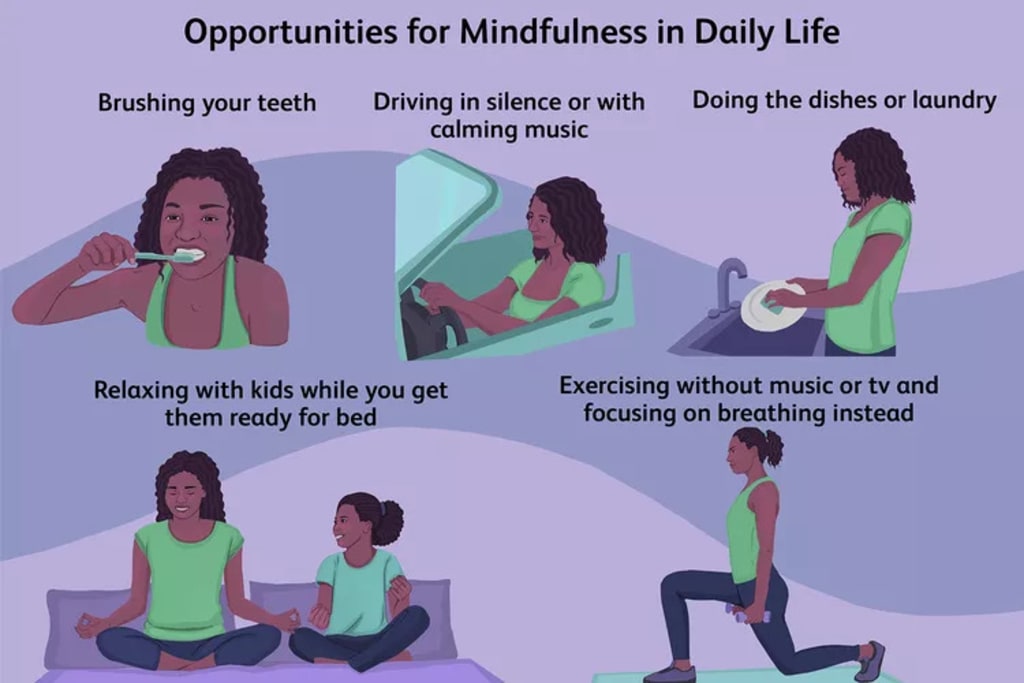
5. Mindfulness in Daily Life
Bring mindfulness to routine tasks—e.g., eating, brushing teeth, or washing dishes.
Focus fully on the task with all senses engaged.
Tips to Make Mindfulness a Habit
Start small: Commit to just 5 minutes a day.
Use guided meditations: Apps like Headspace, Calm, or Insight Timer can help beginners stay on track.
Be patient: Mindfulness is a skill that strengthens over time.
Practice non-judgment: Don’t criticize yourself for getting distracted; every time you return your focus, you're strengthening your mind.
Challenges and Misconceptions
While mindfulness is powerful, it’s not a quick fix. Some individuals may initially feel more aware of their distress or discomfort. That’s normal—and working with a trained therapist can help navigate these reactions.
Common myths:
“Mindfulness is about emptying the mind.”
→ No, it's about observing the mind.
“You have to sit still for hours.”
→ Even short practices are beneficial.
“It’s only for calm people.”
→ Anyone, especially those feeling overwhelmed, can benefit.
When to Seek Professional Support
Mindfulness complements—not replaces—therapy and medication. Individuals with severe depression, PTSD, or trauma histories should approach meditation under the guidance of a qualified mental health professional to avoid potential distress.
A therapist trained in MBCT or ACT can personalize mindfulness strategies and help integrate them into a broader recovery plan.
Final Thoughts
Mindfulness and meditation offer gentle, effective ways to manage anxiety and depression. By cultivating present-moment awareness and reducing the grip of negative thought patterns, these practices promote a sense of calm, acceptance, and psychological flexibility.
While results may take time, the benefits are long-lasting and profound. With patience, compassion, and consistent practice, mindfulness can become a reliable anchor through the emotional storms of life.
If you're struggling with anxiety or depression and want to explore mindfulness-based strategies in a supportive environment, don’t hesitate to reach out for help.
Visit: https://www.delhimindclinic.com/
https://www.craftcmsdeveloper.in/ — Feel free to reach out if you'd like to make changes to your Craft website or simply chat about your Craft project. I'm available for a free consultation!
Let me know when you're ready for Question 5: What role does family support play in the treatment and recovery from mental illness?
About the Creator
Keep reading
More stories from Naveen Garg and writers in Education and other communities.
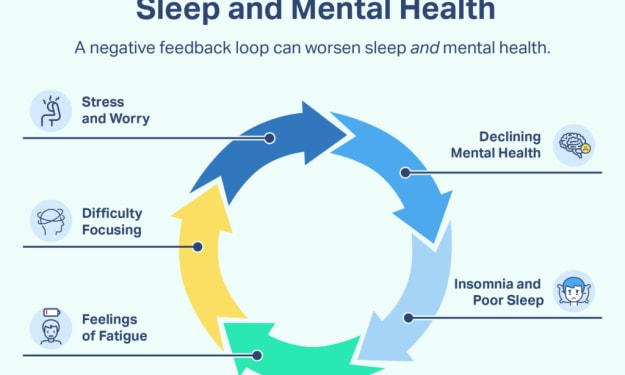
What is the relationship between sleep and mental health, and how can better sleep hygiene support recovery?
Sleep and mental health are closely linked. While most people know that a good night’s sleep helps us feel refreshed and alert, quality sleep is essential for emotional control, thinking ability, and overall psychological health. Disturbances in sleep can be both a symptom and a cause of various mental health disorders. On the other hand, dealing with sleep problems can greatly aid recovery and build resilience.
By Naveen Garg6 months ago in Education
How I Discovered Evan Roderick and Why His Work Stood Out
Sometimes, discovering a new actor feels like stumbling upon a hidden gem. That’s exactly how I felt when I first came across Evan Roderick. I wasn’t looking for anyone new to follow, and I had no idea who he was at the time. But as soon as I saw him perform, something clicked. His presence was different. His style was subtle but powerful. And as I explored more of his work, it became clear that Evan Roderick wasn’t just another rising actor—he was someone who brought something unique to the screen.
By Evan Roderick7 days ago in Education
Time Management Hacks Every Entrepreneur Should Know
Running a startup demands more than hustle—it requires precision in how you use your time. As a founder, your daily choices directly impact your company’s growth, culture, and long-term sustainability. Without the right strategies, it's easy to get overwhelmed by tasks and lose sight of what truly matters. Mastering a few smart productivity habits can dramatically improve how you work.
By Per Jacob Solli6 days ago in Education


Comments
There are no comments for this story
Be the first to respond and start the conversation.