
What is depression and how can it be treated effectively?
depression
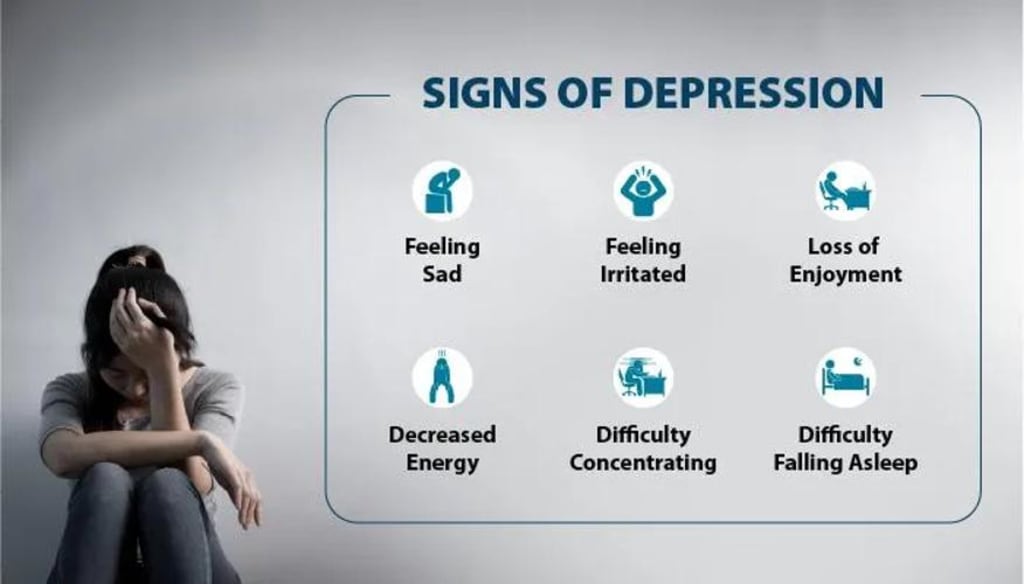
Depression is a common but serious mental health condition that changes how a person thinks, feels, and behaves. It is more than just temporary sadness or feeling "blue." Depression can have a deep impact on all areas of life, including work, relationships, physical health, and overall well-being. It’s important to know that depression isn’t a sign of weakness or a flaw in character. Instead, it is a medical condition that can affect anyone, regardless of age, background, or lifestyle.
Understanding Depression
Depression, or Major Depressive Disorder (MDD), is marked by ongoing sadness, hopelessness, and a lack of interest in activities that were once enjoyable. It often comes with physical symptoms like changes in appetite, trouble sleeping, fatigue, and trouble concentrating. If untreated, depression can become debilitating and even life-threatening.
According to the World Health Organization (WHO), depression is one of the leading causes of disability worldwide. Unfortunately, many people avoid seeking help due to stigma or misunderstanding.
Signs and Symptoms
The signs of depression can differ in severity and duration. Common symptoms include:
- Persistent sad, anxious, or "empty" mood
- Loss of interest in hobbies
- Feelings of hopelessness or pessimism
- Irritability
- Feelings of guilt, worthlessness, or helplessness
- Decreased energy or fatigue
- Difficulty concentrating, remembering, or making decisions
- Trouble sleeping or sleeping too much
- Changes in appetite or weight
- Physical aches or pains with no clear reason
- Thoughts of death or suicide
For a diagnosis of Major Depressive Disorder, these symptoms usually need to last for at least two weeks and represent a significant change from how the person used to function.
Causes and Risk Factors
Depression is caused by a mix of biological, psychological, and social factors. Some common causes and risk factors include:
- Genetics: A family history of depression can increase risk.
- Brain chemistry: Imbalances in neurotransmitters such as serotonin, dopamine, and norepinephrine are closely linked to depression.
- Trauma and abuse: Early trauma, neglect, or abuse can be significant factors.
- Chronic illness: Health conditions like diabetes, cancer, heart disease, and chronic pain can lead to depression.
- Substance abuse: Alcohol and drug use can worsen or trigger depressive symptoms.
- Major life changes: Events like divorce, job loss, or loss of a loved one can trigger depression.
- Personality traits: Low self-esteem or being overly self-critical can increase vulnerability.
Understanding these factors is important for choosing the right treatment.
Types of Depression
Depression varies widely from person to person. Some common types include:
- Major Depressive Disorder (MDD): Characterized by intense and ongoing depressive episodes.
- Persistent Depressive Disorder (Dysthymia): Long-term depression lasting two years or more.
- Seasonal Affective Disorder (SAD): Depression linked to seasonal changes, usually in winter.
- Postpartum Depression: Depression that occurs after childbirth.
- Bipolar Disorder: Involves cycles of depression and episodes of mania or hypomania.
Each type requires a tailored treatment approach.
Diagnosis
A mental health professional diagnoses depression through an interview. They often use questionnaires like the PHQ-9 (Patient Health Questionnaire) to assess symptom severity. It’s also essential to rule out medical problems such as thyroid issues or vitamin deficiencies that can mimic depressive symptoms.
Treatment Options
Depression can be effectively treated. A combination of therapy, medication, lifestyle changes, and social support produces the best results.
1. Psychotherapy
- Cognitive Behavioral Therapy (CBT): Helps people spot and change negative thought patterns.
- Interpersonal Therapy (IPT): Focuses on improving relationship skills and resolving interpersonal issues.
- Psychodynamic Therapy: Looks into unresolved emotional conflicts and past experiences.
- Mindfulness-Based Cognitive Therapy (MBCT): Combines cognitive therapy with mindfulness techniques to reduce relapse.
Therapy can be short or long term, based on individual needs.
2. Medication
- Antidepressants: SSRIs (e.g., fluoxetine, sertraline), SNRIs (e.g., venlafaxine, duloxetine), TCAs, and MAOIs are common treatments for depression.
- Adjunct medications: Sometimes, mood stabilizers, antipsychotics, or anti-anxiety meds are added to antidepressants.
It typically takes 4 to 6 weeks to notice the full effects of medication. Regular follow-ups with a psychiatrist are crucial for monitoring progress and side effects.
3. Lifestyle Changes
- Exercise: Physical activity releases endorphins and can be as effective as medication for mild to moderate cases.
- Healthy diet: A diet rich in omega-3s, lean proteins, fruits, and vegetables supports brain health.
- Sleep hygiene: Keeping a regular sleep routine is essential.
- Reducing alcohol and drug use: These substances can worsen symptoms and interfere with treatment.
- Stress management: Activities like yoga, meditation, journaling, or creative hobbies can provide emotional relief.
4. Support Systems
Having strong support can greatly improve recovery. Talking with trusted friends or family about your feelings helps reduce feelings of isolation. Joining support groups, either in person or online, gives a sense of community and shared experience.
5. Advanced Treatments
For severe or treatment-resistant depression:
- Electroconvulsive Therapy (ECT): Often misunderstood, ECT is safe and effective for severe depression when other treatments don’t work.
- Transcranial Magnetic Stimulation (TMS): A non-invasive method that stimulates nerve cells in the brain.
- Ketamine Therapy: Can provide quick relief for some individuals with resistant depression, under close medical supervision.
Coping with Depression
Living with depression is tough, but daily strategies can help manage symptoms:
- Set small, achievable goals.
- Create a structured daily routine.
- Question negative thoughts with evidence-based reasoning.
- Celebrate small victories, no matter how minor.
- Avoid isolation, even if it starts with a simple message or short call.
- Engage in activities that once brought joy, even if the feelings don’t come right away.
Progress may take time, and setbacks are natural. What’s most important is to keep going and to seek support.
Depression and Suicide
Severe depression can lead to suicidal thoughts or actions. It’s crucial to take these thoughts seriously. If you or someone you know is in immediate danger, seek emergency help or call a suicide prevention hotline. In India, helplines like iCall (+91 9152987821) and AASRA (+91-9820466726) provide free and confidential support.
Helping Someone with Depression
If you’re supporting someone with depression:
- Offer patience and kindness. Avoid critiquing or downplaying their feelings.
- Encourage them to seek professional help.
- Assist with practical tasks, like making appointments or accompanying them.
- Learn more about depression to better understand their situation.
- Look after your own mental health as well, since supporting someone can be emotionally draining.
Myths About Depression
Myth: “Depression is just sadness.”
Fact: Depression affects thoughts, behavior, and physical health, not just mood.
Myth: “You can snap out of it.”
Fact: Depression isn't a choice and needs professional care.
Myth: “Only weak people get depressed.”
Fact: Depression can affect anyone, including strong, successful individuals.
Myth: “Talking about it makes it worse.”
Fact: Open discussions about depression are vital for healing and reducing stigma.
Recovery and Hope
With the right support, treatment, and self-care, recovery from depression is possible. While some may experience recurrent episodes, many people learn to manage their symptoms and live satisfying lives. Early intervention, consistent treatment, and the courage to seek help are key.
Depression can make you feel hopeless, but healing is achievable. You are not alone, and your story matters.
If you or someone you love is struggling with depression, know that help is available and hope is real.
Visit: https://www.delhimindclinic.com/
https://www.craftcmsdeveloper.in/ - Reach out if you want to change your Craft website or just chat about your Craft project. I'm here for a free consultation!
Let me know when you're ready for Question 3 of 10, or if you'd prefer to get the remaining entries as one document.
About the Creator
Keep reading
More stories from Naveen Garg and writers in Education and other communities.
What is anxiety and how can it be effectively managed?
Anxiety is a normal response to stress. It often comes with feelings of tension, worry, or nervousness. While experiencing anxiety sometimes is a part of life, such as before an exam or job interview, long-lasting or intense anxiety may point to an anxiety disorder. These disorders can disrupt daily activities, relationships, and overall well-being. Therefore, it is important to understand anxiety and the ways to manage it.
By Naveen Garg6 months ago in Education
The Role of Families and Parents Towards Children in the Era of Digital Education
Given the shift in educational models, the responsibility of families and parents has become just as important—if not more so—than that of teachers and educational institutions. In today’s information age, technology has become an integral part of our daily lives, with education being one of the most significantly affected sectors. Digital education, or remote learning, has witnessed a substantial rise in recent years due to its proven effectiveness and necessity—especially in light of global circumstances that have brought about fundamental changes in learning methods.
By Vertex University P R E S S7 days ago in Education
Hosting a Book Fair
How many of you remember the “best week ever!” from when you were a child? Book fairs were the staple of many of our childhoods with Scholastic leading the way. While there are many choices for book fairs today and I absolutely want to talk about them, that’s going to be a later article.
By Reb Kreyling5 days ago in Education



Comments
There are no comments for this story
Be the first to respond and start the conversation.