
What Is Deep Vein Thrombosis?
A Clear Look at Vein Blockage, Risks, and Prevention for Everyday Understanding

Introduction
Deep vein thrombosis is a medical condition that many people have heard of but may not fully understand. It involves the formation of a blood clot in a deep vein, usually in the leg. While it may sound simple, the condition can be life-threatening if not detected and managed early. The real concern isn’t just the clot itself, but what it can lead to if it moves to the lungs or causes long-term damage to the veins. In this article, we’ll break down DVT in plain terms. We’ll walk through what causes it, how to spot it, why it matters, and most importantly, how it can be prevented and treated.
What Does DVT Stand For?
DVT full form is Deep Vein Thrombosis. The term ‘deep vein’ refers to veins located deep in the body, away from the surface of the skin. ‘Thrombosis’ means a blood clot that forms within a blood vessel. So, when a clot forms in a deep vein, it disrupts the normal blood flow, and that’s what we call deep vein thrombosis.
Why Is Deep Vein Thrombosis a Serious Health Condition?
Most clots in DVT cases form in the lower leg, thigh, or pelvis. If that clot breaks loose and travels through the bloodstream to the lungs, it can lead to a pulmonary embolism. That’s a medical emergency. Apart from that, even if the clot stays in place, it can damage the vein walls, leading to a condition called post-thrombotic syndrome, causing swelling, pain, and long-term discomfort.
Common DVT Symptoms You Should Not Ignore
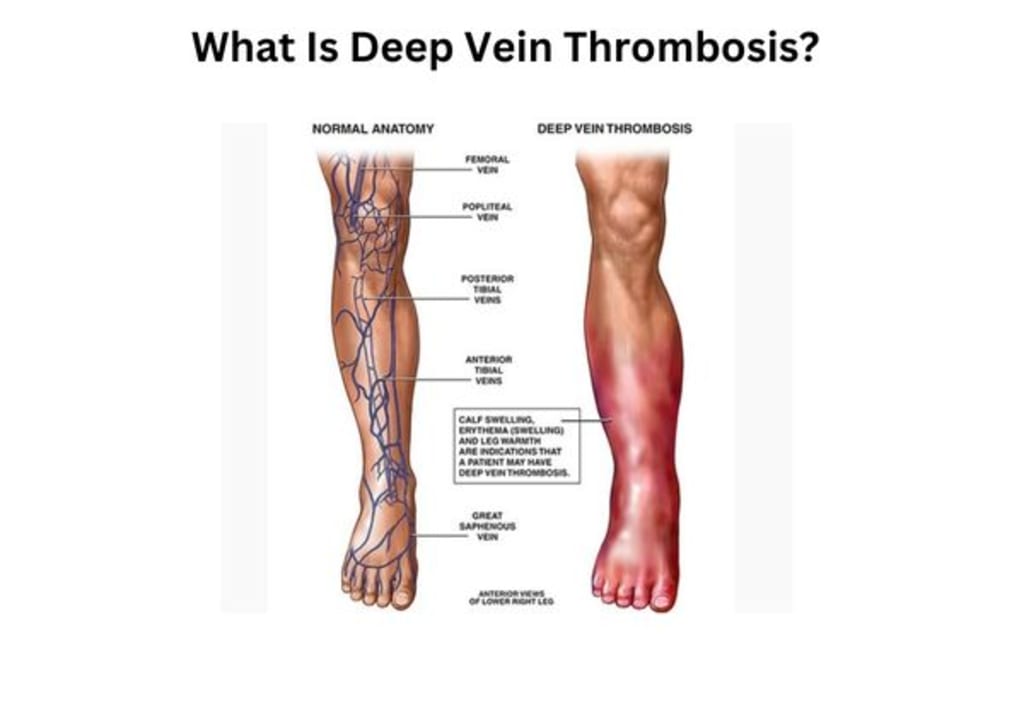
Spotting early stage DVT symptoms in the leg can be difficult as they often appear mild at first. However, knowing what to look for can help prevent complications.
- Persistent leg pain or cramping, usually in the calf
- Swelling in one leg, sometimes accompanied by warmth
- Reddish or bluish skin colour on the leg
- A heavy or tight feeling in the leg
- Pain that gets worse when walking or standing for long periods
These signs may look like muscle strain or fatigue, which is why many people ignore them. But if one leg appears different from the other, especially with swelling and colour change, it is best to consult a deep vein thrombosis specialist.
What Are the Main DVT Causes?
Blood clots don’t just appear out of nowhere. There are certain risk factors that increase the chance of developing deep vein thrombosis:
- Long periods of sitting or immobility (e.g. during long flights or bed rest)
- Recent surgery, especially orthopaedic surgeries
- Injuries to the veins or surrounding muscles
- Use of birth control pills or hormone therapy
- Obesity
- Smoking
- Pregnancy and the weeks following delivery
- Family history of clotting disorders
Being aware of these triggers can make a huge difference in early detection and deep vein thrombosis prevention.
The Link Between Vein Blockage and DVT
Vein blockage in DVT happens when a clot prevents blood from flowing freely. This builds up pressure and causes swelling. The body may try to reroute blood through nearby veins, but those smaller veins can’t manage the load. That’s when pain and visible symptoms begin.
Scientifically, the body forms clots as a protective response to injury. But in DVT, this natural process becomes dangerous when triggered unnecessarily, especially due to poor circulation or vein injury.
How Is DVT Treatment Done?
Once diagnosed, the goal of DVT treatment is to stop the clot from getting bigger and prevent new ones from forming.
Common treatment options include:
Anticoagulants (Blood thinners): These don’t break the clot but prevent it from growing or moving.
Compression stockings: These help prevent swelling and post-thrombotic syndrome.
Thrombolytic therapy: Used in severe cases to dissolve large clots.
Surgical intervention: Rare, but may be used in complex or high-risk cases.
For those in Mumbai, deep vein thrombosis treatment in Mumbai is available through various advanced facilities, including Midas Care Clinic, recognised for experienced care and accurate diagnostics. It is considered by many as one of the best diagnostic centers in Vasai for vascular-related conditions.
How to Avoid DVT: Practical Prevention Tips
Deep vein thrombosis prevention focuses on improving blood flow and reducing clot risks.
Some practical tips include:
- Stay physically active. Avoid sitting still for more than 2 hours.
- If you’re travelling for a long time, stretch or walk every hour.
- Maintain a healthy weight and avoid smoking.
- Stay hydrated, especially during travel or hot weather.
- Follow medical advice after surgeries or during pregnancy, especially if you’re at higher risk.
If your doctor recommends compression stockings or medication after surgery or a hospital stay, take it seriously. Prevention often starts with simple habits.
Unique Points About DVT You May Not Know
- DVT is not always painful. Some clots form silently and show no visible symptoms.
- It’s more common in the left leg than the right due to how the veins are positioned in the body.
- People with cancer are more likely to develop DVT due to inflammation and treatment side effects.
- Clots can form even weeks after an injury or surgery, not just immediately.
- In some cases, DVT may recur even after treatment, especially if lifestyle changes aren’t made.
FAQs
Q1. How is DVT diagnosed by doctors?
Answer: Diagnosis typically includes a physical examination, followed by an ultrasound. In some cases, a D-dimer blood test or venography may be used to confirm the clot.
Q2. Can DVT go away without treatment?
Answer: It’s rare. Some small clots may dissolve naturally, but the risk of complications like pulmonary embolism remains high. Medical supervision is always needed.
Q3. What’s the difference between DVT and a normal leg cramp?
Answer: DVT pain is usually persistent and doesn’t go away with stretching. It’s often accompanied by swelling and skin colour change.
Q4. Can exercise help in preventing DVT?
Answer: Yes, regular movement improves blood flow and reduces clot risk. Low-impact activities like walking or leg stretches are especially helpful.
Q5. Who is most at risk of getting DVT?
Answer: People who are over 60, overweight, have a history of clots, are recovering from surgery, or have limited mobility are more likely to develop it.
Q6. Are there any warning signs before DVT becomes serious?
Answer: Yes, signs like increasing leg pain, warmth, swelling, or breathlessness can indicate that the clot is growing or moving. Immediate attention is needed.
Q7. Where can I get reliable diagnosis and treatment in Mumbai?
Answer: Places like Midas Care Clinic are trusted for deep vein thrombosis treatment in Mumbai, with access to trained deep vein thrombosis specialists and facilities known as the best diagnostic center in Vasai.
Conclusion
Deep vein thrombosis isn’t just a leg problem. It’s a circulatory concern that can impact your lungs, heart, and quality of life if ignored. Understanding the DVT symptoms, causes, and prevention strategies empowers individuals to act early. Whether you’ve noticed swelling in your leg, recently had surgery, or fall into a risk category, paying attention to these warning signs can save you from bigger health risks.
From managing long travels better to recognising that one-sided leg swelling isn’t normal, every small step counts. Early diagnosis, lifestyle awareness, and timely DVT treatment can help you take control of your health and avoid complications.
About the Creator
Midas Care Clinic
At Midas Care Clinic, your health is our priority. As the best x-ray centre in Vasai, we offer state-of-the-art diagnostics, ensuring accurate results and prompt medical care. Experience excellence with us!
Keep reading
More stories from Midas Care Clinic and writers in Education and other communities.
What Is Thyroid Nodule?
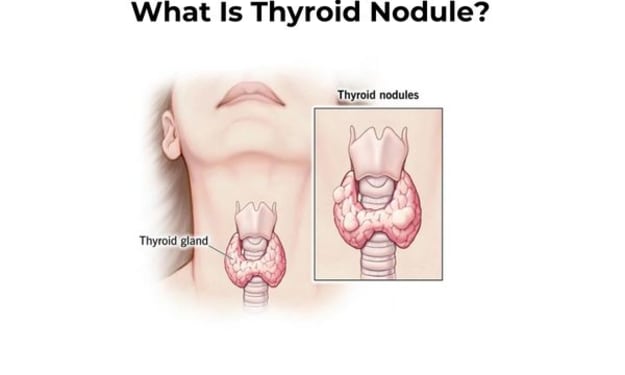
A thyroid nodule is a small lump or swelling that develops inside the thyroid gland. Some people never feel it or notice it until it shows up in a medical test. Others may feel a small bump in the neck or experience changes in their voice or breathing. Whether large or small, understanding how a thyroid nodule works can help you manage it the right way and avoid unnecessary panic or confusion.
By Midas Care Clinic11 months ago in Education
Daily Home Routines That Support Strong Mental Health
Taking care of mental health at home is an essential part of living a balanced and fulfilling life. Our homes should feel like safe and supportive environments where we can relax, reset, and recharge after the challenges of the day. One of the most effective ways to protect emotional well-being is to build healthy routines that create structure, reduce stress, and promote calm. Simple, intentional habits can turn the home into a space that nurtures mental strength and long-term stability.
By Tom Walter Wake Forest2 days ago in Education
When Day Turns to Night: The Longest Solar Eclipse of the Century Now Has an Official Date
The sky has always held humanity’s attention, but every so often, it offers a spectacle so rare and dramatic that it feels almost otherworldly. Soon, day will briefly turn into night as the longest solar eclipse of the century now has an official date. Astronomers and space agencies around the world are already preparing for what experts describe as an exceptional event marked by its remarkable duration and rare visibility.
By Aqib Hussain6 days ago in Education
'Till Death We Do Art
There would be nothing divine in this world without art. Nature may surpass the divine to all intents and purposes, but like everything it absorbs and is absorbed by, it remains here, stuck on the surface of this world, ever-present, physically bound to the universe.
By Avocado Nunzella BSc (Psych) -- M.A.P about 20 hours ago in Art



Comments
There are no comments for this story
Be the first to respond and start the conversation.