
Values of Games in Education
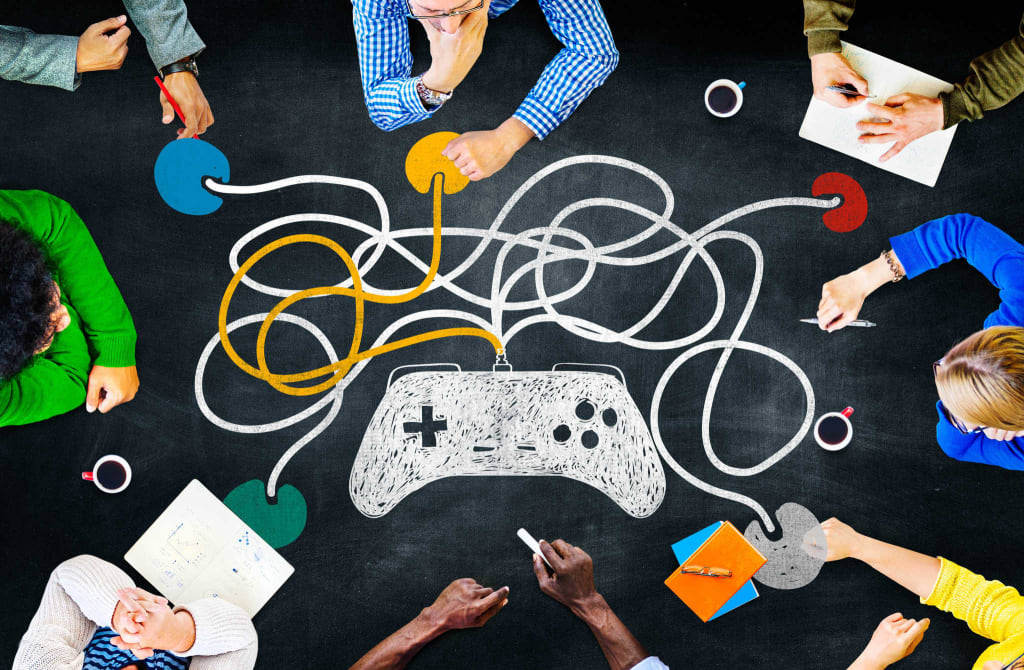
Games can be valuable in education for several reasons:
Engagement: Games can be highly engaging and motivating for students, which can lead to increased participation and interest in learning.
Active learning: Games often require active participation and problem-solving, which can help students develop critical thinking and problem-solving skills.
Collaboration: Many games involve teamwork and collaboration, which can help students learn important social and communication skills.
Feedback: Games often provide immediate and ongoing feedback, which can help students understand their progress and areas where they need to improve.
Transfer: Games can help students apply what they learn in the game to real-world situations.
Accessibility: Games can be used to make learning accessible to students with diverse learning styles and abilities.
Adaptability: Games can be tailored to different grade levels and subject areas, making them versatile teaching tools.
Games can have a positive impact on society in several ways:
Addiction: Some individuals may become addicted to gaming, which can negatively impact their personal and professional lives.
Isolation: Games can also lead to social isolation, as individuals may spend excessive amounts of time gaming and neglect other important aspects of their lives.
Violence: Some games may promote violence and aggressive behavior, which can have a negative impact on individuals and society as a whole.
Impact on mental health: Some studies have suggested that excessive gaming can lead to negative effects on mental health, such as depression and anxiety.
Impact on physical health: Prolonged gaming can also lead to physical health problems such as back pain, carpal tunnel syndrome and eye strain.
There are several potential disadvantages of using games in education, including:
Limited subject matter: Games are often designed for entertainment rather than education, so they may not cover all the necessary information for a specific subject.
Limited transferability: The skills and knowledge learned in a game may not be directly transferable to real-world situations.
Cost: Developing and purchasing educational games can be expensive.
Limited accessibility: Not all students may have access to the necessary technology or equipment to play games.
Limited engagement: Some students may not be interested in playing games, and may not be as engaged in the learning process.
Limited to certain age groups: Games may not be suitable for all age groups, and may only be appropriate for certain grade levels.
Impact on mental health: Some studies have suggested that excessive gaming can lead to negative effects on mental health, such as depression and anxiety.
Impact on physical health: Prolonged gaming can also lead to physical health problems such as back pain, carpal tunnel syndrome, and eye strain.
Potential for addiction: Some individuals may become addicted to gaming, which can negatively impact their personal and professional lives.
It's important to note that these disadvantages should be considered when incorporating games in education, but with proper implementation and guidance, these can be minimized or avoided.
The effect of games and simulations on higher education
Games and simulations can have a positive effect on higher education in several ways:
Active learning: Games and simulations often require active participation and problem-solving, which can help students develop critical thinking and problem-solving skills.
Real-world application: Games and simulations can provide students with the opportunity to apply what they have learned in a controlled, simulated environment, which can help them understand the real-world applications of their education.
Engagement: Games and simulations can be highly engaging and motivating for students, which can lead to increased participation and interest in learning.
Collaboration: Many games and simulations involve teamwork and collaboration, which can help students learn important social and communication skills.
Feedback: Games and simulations often provide immediate and ongoing feedback, which can help students understand their progress and areas where they need to improve.
Accessibility: Games and simulations can be used to make learning accessible to students with diverse learning styles and abilities.
Adaptability: Games and simulations can be tailored to different subject areas and academic levels, making them versatile teaching tools.
Professional development: Games and simulations can be used to prepare students for professional careers in fields such as healthcare, business, and engineering.
However, it's important to note that games and simulations should be used as a complement to traditional teaching methods, and not as a replacement. They should be carefully designed and implemented to align with the learning objectives and goals. Also, the use of games and simulations may have some limitations such as cost, access to technology, and some students may not be interested in this type of learning
About the Creator
Keep reading
More stories from writers in Education and other communities.
Golf Handicap Reduction Without a Swing Overhaul: Smarter Ways to Play Better Golf
Lowering your handicap does not always require technical changes or hours on the range; it requires rebuilding your swing. Many golfers overlook the fact that scoring improvement often comes from strategic thinking, mental discipline, and better preparation. By focusing on how you play rather than how you swing, you can unlock consistent progress and enjoy the game more. This article explores practical, on-course methods that help you shoot lower scores while keeping your swing exactly as it is.
By Ian Schenkel Haliburton5 days ago in Education
The Editorial Stack: Building Content Teams for the Multi-Platform Era
In an age where content travels across screens, feeds, formats, and audiences in real time, the old newsroom model no longer fits the demands of digital publishing. Today's media landscape requires more than great writers and sharp editors—it demands a multi-disciplinary, agile, and strategically aligned editorial stack. From video producers to data analysts, newsletter editors to TikTok creators, modern content teams must be designed with versatility and collaboration at their core.
By James Kaminsky6 days ago in Education
Thoughts on Vocal and the way the world is
"Death cannot stop true love, only delay it." – Wesley in The Princess Bride. I decided to come back to Vocal on a very cold and dark night at the end of December. I had been, and still am, convalescing from a horrible staph infection that had gone misdiagnosed for months. This, paired with the increasing challenges of being healthy, making the best choices for my co-parented child, being a wife, and being a director at a new job, was a lot to manage.
By Jazzy 6 days ago in Confessions


Comments
There are no comments for this story
Be the first to respond and start the conversation.