
USA Intakes 2025 Explained: Spring vs Fall vs Summer – Which Is Right for You?
Intakes in USA

If you're planning to study in the USA in 2025, understanding the intakes in USA is one of the most important aspects of your academic journey. Whether you're aiming for an undergraduate, graduate, or doctoral program, knowing the right intake and timing for your application can make a significant difference. The USA offers three main intakes: Fall, Spring, and Summer. Each intake has its advantages and potential drawbacks, depending on your preferences, program type, and career goals. This guide will help you decide which intake is best for you.
1. Fall Intake – The Most Popular Option
Fall intake is by far the most common and popular intake for international students. The academic year in the USA typically begins in August or September, with most students starting their programs in the fall.
Why Fall Intake is Ideal:
Wide Range of Programs: Top universities in the USA generally offer a broader selection of programs during the fall semester. Whether you're pursuing an undergraduate degree or a master’s in computer science, engineering, business, or humanities, Fall intake usually provides more options.
Better Campus Experience: Fall intake is the start of the academic year, meaning there’s an influx of new students, including domestic students. This creates a vibrant campus life with a variety of clubs, events, and networking opportunities.
Internship Opportunities: Many programs and industries align their internship opportunities with Fall graduates, so if you’re looking to secure a full-time position post-graduation, Fall intake is ideal for accessing these job openings.
Drawbacks of Fall Intake:
High Competition: Due to its popularity, Fall intake is competitive. If you're aiming for top universities in the USA, you need to prepare early, ensuring that your application stands out in terms of academic records, recommendation letters, and personal statements.
2. Spring Intake – A Flexible Option
The Spring intake typically begins in January, allowing you to start your program in the middle of the academic year. Spring intake is often seen as a more flexible option compared to Fall.
Why Choose Spring Intake:
Less Competitive: Since Spring intake is less popular, there’s often less competition for spots at universities. This can be advantageous if you’re looking to apply with a slightly lower GPA or need more time to prepare your application.
More Availability in Certain Programs: Some programs in the top universities in the USA may have fewer applicants for the Spring term, allowing you to get a spot in highly competitive programs like computer science or business analytics.
Earlier Graduation: If you miss the Fall intake for any reason, applying for Spring allows you to graduate earlier, making you eligible to enter the job market sooner.
Drawbacks of Spring Intake:
Fewer Programs: Not all programs are available in the Spring, especially in highly specialized fields like architecture or healthcare. You’ll need to check with your desired universities to ensure your program is available during this intake.
Limited Campus Activities: Since many students start in the Fall, Spring intake students may experience a quieter campus with fewer events and extracurricular activities.
3. Summer Intake – For Those in a Hurry
Summer intake is the least common of the three intakes and generally begins in May or June. It’s ideal for students who need to start their programs quickly but is only available for certain programs.
Why Consider Summer Intake:
Accelerated Timelines: Summer intake allows you to start your program quickly if you missed the other two intakes. This is ideal for students who need to begin their studies as soon as possible and want to stay on track for early graduation.
Limited Coursework: Summer semesters typically offer fewer courses, which means you can finish a specific set of courses in a shorter period, especially for those pursuing certificates or shorter programs.
Drawbacks of Summer Intake:
Limited Program Options: Not many programs are available during the summer, so your choice of study might be restricted. Be sure to check with the university beforehand to ensure your course is available.
Reduced Campus Life: Like Spring, summer campuses are often quieter, with fewer students on campus. This can mean fewer networking opportunities and events compared to the busy Fall semester.
Which Intake is Right for You?
Choosing the right intake depends on a variety of factors such as your academic goals, readiness, and personal preferences. Here’s how to decide:
Why Study in USA: If you're looking to gain a world-class education, a degree from one of the top universities in the USA can provide you with unmatched academic rigor and career opportunities. For a more dynamic and competitive environment, Fall intake is the way to go.
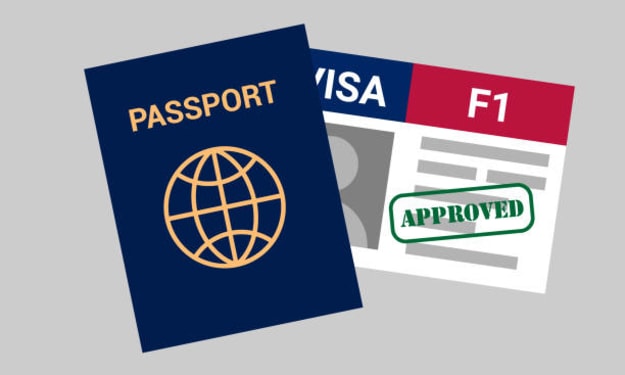
Student Visa USA: Your student visa USA application process will differ slightly depending on the intake. Since Fall intake is the most common, you’ll need to start your visa application early. For Spring or Summer, the process is similar but may involve different processing timelines.
Career Opportunities in USA: If your goal is to take advantage of post-graduation work opportunities, the Fall intake is often the best choice, as many companies hire new graduates in sync with the academic year.
Conclusion
Choosing between Spring, Fall, and Summer intakes for your study in the USA is a critical decision in your educational journey. Whether you're drawn to the vibrant campus life of Fall or the flexibility of Spring, each intake has its own advantages. Whatever you choose, ensure that you're prepared for the process, from securing your student visa USA to settling into one of the top universities in the USA. Studying in the USA not only gives you a world-class education but also opens doors to career opportunities in the USA that can set you on a path to success.
About the Creator
Keep reading
More stories from Ladalisiddiqui and writers in Education and other communities.
Conquer the DS-160: Your Section-by-Section Guide to Your Student Visa USA Dream
The prospect of joining the vibrant academic community in the United States, exploring the campuses of top universities in USA, and experiencing the unique blend of cultures is an aspiration for many. The journey begins with the student visa USA application, and at its heart lies the DS-160, the Online Nonimmigrant Visa Application form. While seemingly intricate, understanding each section of the DS-160 is your first crucial step towards realizing why study in USA is the right choice for your future. This comprehensive, section-by-section walkthrough will demystify the process, empowering you to complete the form accurately and confidently.
By Ladalisiddiqui9 months ago in Education
Python vs Rust Performance: Speed, Memory Usage, and Scalability Explained
When developers compare programming languages, performance is often one of the most debated factors. Two languages that frequently come up in these discussions are Python and Rust. While both are powerful in their own ways, they approach performance, memory management, and scalability very differently. This makes the Python vs Rust comparison especially relevant for teams choosing the right technology for their next project.
By Lennox Grayabout 16 hours ago in Education
How GPS Tracking for Tools and Equipment Can Save Your Business
Tool theft is a growing problem for construction companies, contractors and tradespeople. At kynekt.id we provide best GPS tracking for tools and equipment, Whether it’s a jobsite break-in or equipment walking off during work hours, losing tools can cost thousands of dollars and delay projects. Fortunately, We offer a practical solution that’s becoming more affordable and easier to use every day.
By Kynekt Limited2 days ago in Education
Miss Persephone's Manual to a Seemingly Ordinary Life
Miss Persephone was found at the dining table, her blue eyes swollen, her tears arriving and retreating like the tides of the ocean. Earlier that day, her family had visited her in the retirement home where she had lived for eight years. It was her eightieth birthday.
By Imola Tótha day ago in Fiction


Comments
There are no comments for this story
Be the first to respond and start the conversation.