
Conquer the DS-160: Your Section-by-Section Guide to Your Student Visa USA Dream
Student Visa USA
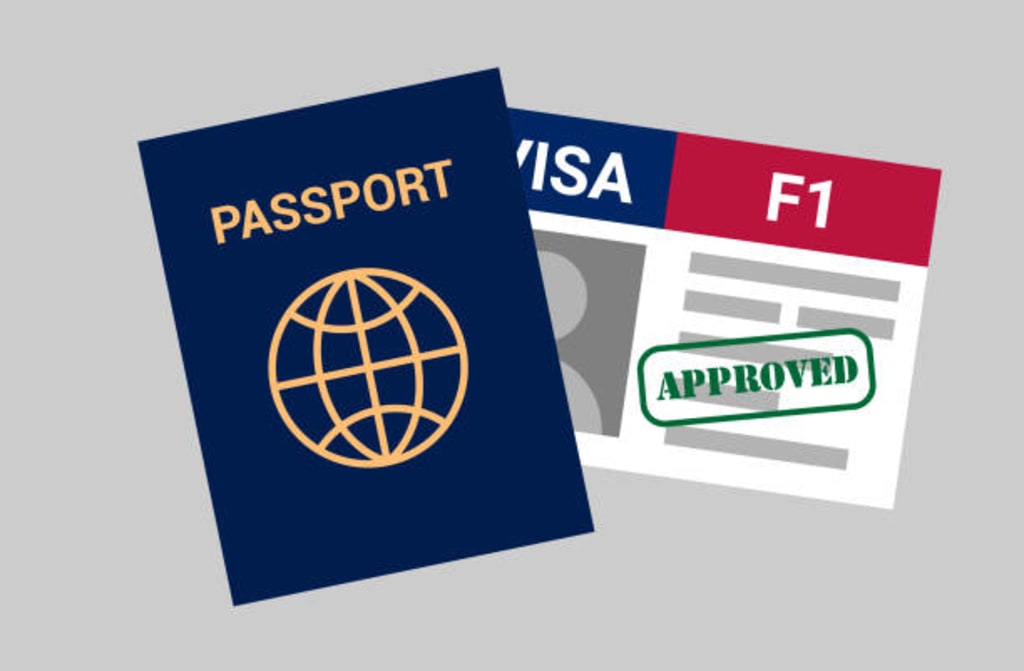
The prospect of joining the vibrant academic community in the United States, exploring the campuses of top universities in USA, and experiencing the unique blend of cultures is an aspiration for many. The journey begins with the student visa USA application, and at its heart lies the DS-160, the Online Nonimmigrant Visa Application form. While seemingly intricate, understanding each section of the DS-160 is your first crucial step towards realizing why study in USA is the right choice for your future. This comprehensive, section-by-section walkthrough will demystify the process, empowering you to complete the form accurately and confidently.
Why Study in USA? Setting the Stage for Your Application
Before we delve into the specifics of the DS-160, let's reiterate why study in USA holds such immense appeal. The US boasts a globally recognized higher education system, home to numerous top universities in USA renowned for their cutting-edge research, diverse programs, and world-class faculty. The opportunity to learn from the best, engage in groundbreaking research, and network with future leaders is a significant draw. Moreover, the multicultural environment and vast opportunities for personal and professional growth make the US an ideal destination for ambitious students seeking a transformative educational experience. Understanding why study in USA aligns with your goals will also strengthen your overall visa application.
Navigating the DS-160: A Detailed Section-by-Section Guide
The DS-160 is accessed and completed online through the Consular Electronic Application Center (CEAC) website. Remember to have your passport, I-20 form from your chosen US institution, and other relevant documents readily available as you proceed.
Section 1: Personal Information
This section requires your basic biographical details.
Surname and Given Names: Enter your name exactly as it appears on your passport. Double-check for any typos or discrepancies.
Full Name in Native Alphabet: If your native alphabet is different from English, provide your full name as it is written in your native script.
Other Surnames/Given Names Used (if any): If you have ever used any other names (e.g., maiden name), provide them here.
Telecode Number (if applicable): This is relevant for certain nationalities. Check if it applies to you.
Sex, Marital Status, Date and Place of Birth: Provide accurate details as per your passport.
Nationality: Select your nationality as indicated on your passport.
National Identification Number (if applicable): If your country issues a national ID number, provide it here.
U.S. Social Security Number and U.S. Taxpayer ID Number (if applicable): These are usually not applicable to first-time student visa applicants.
Section 2: Address and Phone Information
Provide your current residential address, mailing address (if different), and primary phone number. Ensure this information is accurate as it might be used for communication.
Section 3: Passport Information
Enter your passport details precisely as they appear on your passport.
Passport Number:
Passport Issue Date:
Passport Expiration Date:
Place Where Passport Was Issued:
Section 4: Travel Information
This section pertains to your intended travel to the US.
Purpose of Trip to the U.S.: Select "Academic or Language Student (F)."
Specify: Select your specific visa category (F1).
Intended Date of Arrival in U.S.: Provide an estimated date, ideally close to the start date mentioned on your I-20.
Intended Length of Stay in U.S.: Provide an estimated duration of your studies.
Address Where You Will Stay in the U.S.: If you have confirmed accommodation (e.g., on-campus housing), provide the full address. If not, you can provide the address of the university.
Person/Entity Paying for Your Trip: Indicate who will be financially responsible for your studies and living expenses. You might need to provide their name and relationship to you.
Section 5: U.S. Contact Information
Provide details of a contact person or organization in the US. This will typically be the Designated School Official (DSO) at your chosen university.
Contact Person or Organization: Enter the name of the university.
Relationship to You: Select "School Official."
Address of Contact: Provide the university's full address.
Contact Person at School (if known): Enter the name and email address of your DSO if you have it.
Section 6: Family Information
Provide details about your parents and any immediate family members.
Section 7: Previous U.S. Travel Information
Answer truthfully about any previous visits to the US, including the dates and duration of your stays. If you have previously been refused a US visa, you will need to provide details.
Section 8: Present Work/Education/Training Information
Provide details about your current occupation or educational institution. As a student, you will likely provide information about your current school or university.
Section 9: Security and Background: Part 1
This section asks a series of security-related questions. Answer all questions truthfully and carefully. Any misrepresentation can lead to visa denial.
Section 10: Security and Background: Part 2
Continue answering the security-related questions honestly and thoroughly.
Section 11: Security and Background: Part 3
Complete the final set of security and background questions with accurate information.
Section 12: Student and Exchange Visitor Program (SEVP) Information
This crucial section requires information from your I-20 form.
SEVP Program Number: This is a unique number found on your I-20.
Name of School: Enter the full name of your US educational institution.
Address of School: Provide the complete address of the university.
Course of Study: Specify your major or program of study as mentioned on your I-20.
Intended Date of Commencement of Study: This is the program start date on your I-20.
Section 13: Sign and Submit
Once you have reviewed all the information for accuracy, you will electronically sign and submit your DS-160 form. You will receive a confirmation page with a barcode. Print this page as you will need it for your visa interview appointment.
Key Takeaways for a Successful DS-160 Application:
Accuracy is paramount: Ensure all information matches your passport and other supporting documents.
Honesty is crucial: Answer all questions truthfully. Any false statements can have severe consequences.
Completeness is essential: Fill out all required fields. Leaving sections blank can lead to delays.
Review thoroughly: Before submitting, review each section carefully to catch any errors.
Keep a copy: Print and save a copy of your completed DS-160 form and confirmation page.
By meticulously completing each section of the DS-160 form, you are taking a significant step towards realizing your dream of studying in the USA. Remember that this form is a critical part of your student visa USA application. Take your time, be accurate, and good luck on your journey to joining the esteemed academic community of the top universities in USA!
About the Creator
Keep reading
More stories from Ladalisiddiqui and writers in Education and other communities.
Unlock Your American Dream: Ace Your Student Visa USA Interview in 2025
The moment you receive your interview appointment for the student visa USA is a significant milestone in your journey towards studying in America. It's the final hurdle, a crucial step that determines whether you'll be packing your bags for your chosen university. While it might seem daunting, approaching the interview with thorough preparation and a clear understanding of what to expect can significantly increase your chances of success. This comprehensive guide will delve into common questions asked during the student visa USA interview in 2025 and provide expert tips to help you shine, even if you're aiming for a scholarship to study in USA and are already envisioning your future Career Opportunities in USA.
By Ladalisiddiqui9 months ago in Education
Earning Money Online Through Freelancing
Earning Money Online Through Freelancing In today’s digital world, earning money online has become easier than ever before. One of the most popular and trusted ways to make money online is through freelancing. Freelancing allows people to work independently, use their skills, and earn income without being tied to a traditional office job. With just a computer, an internet connection, and useful skills, anyone can start freelancing from anywhere in the world.
By Bilal Mohammadiabout 11 hours ago in Education
Adding Tech to Ed
Technology is reshaping education in ways that were unimaginable just a generation ago. While access to quality learning was once limited by geography, income, language, or physical ability, digital innovation is steadily removing many of those barriers. Today, technology is not simply enhancing classrooms—it is expanding who education is for, when it happens, and how it is experienced. By increasing flexibility, personalization, and inclusion, technology is making education more accessible to learners of all ages and backgrounds.
By Dennis Muizers Lovejoyabout 6 hours ago in Education



Comments
There are no comments for this story
Be the first to respond and start the conversation.