


Uranium is a naturally occurring element and is found in the earth's crust. It is a dense, silvery-white metal that is highly reactive and can produce a large amount of energy through nuclear reactions.
Uranium is most commonly used as fuel for nuclear power plants, where the heat generated by nuclear reactions is used to produce steam, which in turn drives turbines to generate electricity. In addition to its use in nuclear power plants, uranium is also used in nuclear weapons, and as a source of radiation for medical and industrial applications.
Uranium mining is a complex and controversial issue, as the mining and processing of uranium can have negative environmental impacts, including contamination of air and water, as well as the release of radioactive materials into the environment. Additionally, the use of uranium in nuclear weapons has raised concerns about nuclear proliferation and the potential for nuclear war.
Overall, while uranium has the potential to provide a significant source of clean energy, its use also presents important environmental, health, and security risks that must be carefully managed.
Uranium's History
Uranium was discovered in 1789 by the German chemist Martin Klaproth, who named the element after the newly discovered planet Uranus. Initially, uranium was primarily used for producing colored glass and ceramics, as well as for producing yellow pigments for dyes and paints.
In the late 19th and early 20th centuries, scientists began to understand the radioactivity of uranium and its potential to produce energy. In 1942, the US government launched the Manhattan Project, a secret effort to develop the first nuclear weapons, which were eventually used against the cities of Hiroshima and Nagasaki in Japan in 1945.
Following World War II, the use of nuclear energy for peaceful purposes, such as power generation, became a priority, and the first commercial nuclear power plant was built in Shippingport, Pennsylvania in the United States in 1957.
Over the years, the use of nuclear energy has become increasingly controversial, due to concerns about the potential health risks of exposure to radioactive materials, as well as the risk of nuclear weapons proliferation. The accidents at Three Mile Island in 1979 and Chernobyl in 1986 raised public awareness of the dangers of nuclear energy, and led to increased scrutiny of the industry.
Despite these challenges, nuclear energy continues to play an important role in the world's energy mix, and is considered by some to be a key component of efforts to reduce greenhouse gas emissions and combat climate change.
Uranium's Uses
Uranium has a number of uses, including:
- Nuclear energy: Uranium is the primary fuel for nuclear power plants, which generate electricity by harnessing the heat generated by nuclear reactions.
- Nuclear weapons: Uranium can be enriched to produce highly radioactive isotopes that can be used in the production of nuclear weapons.\
- Medical and industrial applications: Uranium is a valuable source of radiation, and is used in a variety of medical and industrial applications, such as cancer treatment, sterilization of medical equipment, and inspecting the structural integrity of pipelines and other structures.
- Scientific research: Uranium and its isotopes are also used in scientific research, including studies of geology, materials science, and physics.
- Decorative uses: Uranium has been used in the past to produce yellow and green pigments for glass, ceramics, and enamels.
It is important to note that the use of uranium is subject to regulations and safety measures to minimize the risks associated with its radioactivity. In addition, the mining and processing of uranium can have negative environmental impacts, such as the release of radioactive materials into the air and water, which must be carefully managed to minimize harm to human health and the environment.
Side Effects of Uranium
The use of uranium and exposure to its radioactivity can have a number of negative health and environmental effects, including:
- Radiation exposure: Uranium is a naturally radioactive element, and exposure to its radiation can have harmful effects on human health. Workers in the uranium industry, as well as people living near uranium mines and nuclear power plants, are at increased risk of exposure to radioactive materials.
- Cancer: Long-term exposure to radiation can increase the risk of cancer, including lung cancer, leukemia, and other types of cancer.
- Genetic effects: Radiation exposure can also cause genetic damage, which can be passed down to future generations.
- Environmental contamination: The mining and processing of uranium can release radioactive materials into the air and water, which can contaminate soil and water supplies and harm wildlife.
- Nuclear weapons proliferation: The enrichment of uranium to produce highly radioactive isotopes can be used to produce nuclear weapons, which pose a significant threat to global security and stability.
It is important to carefully manage and regulate the use of uranium to minimize these risks and ensure the safety of workers, communities, and the environment. In addition, ongoing research is being conducted to better understand the health and environmental effects of uranium and to develop safer and more sustainable uses for this valuable resource.
Conclusion
In conclusion, uranium is a naturally occurring element that has a number of important uses, including as fuel for nuclear power plants, as a source of radiation for medical and industrial applications, and in scientific research. Despite its potential benefits, the use of uranium also presents significant health and environmental risks, including radiation exposure, cancer, genetic damage, environmental contamination, and the potential for nuclear weapons proliferation.
To maximize the benefits and minimize the risks of uranium use, it is important to carefully manage and regulate the uranium industry, and to continue to research and develop safer and more sustainable uses for this valuable resource. The proper management and use of uranium is essential to ensure the health and safety of workers, communities, and the environment, and to promote a secure and stable future for all.
About the Creator
Keep reading
More stories from GJB FAMILY and writers in Education and other communities.
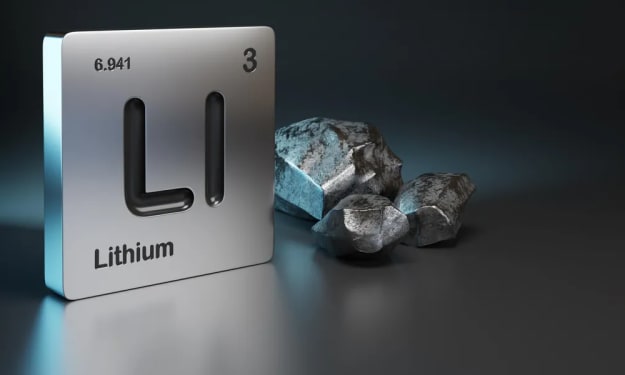
Lithium
Lithium is a chemical element with the symbol Li and atomic number 3. It is a soft, silvery-white metal that belongs to the alkali metal group on the periodic table, which also includes sodium and potassium. Lithium is the lightest of all metals and has the highest electrochemical potential, making it an important component in batteries, lubricants, and glass manufacturing. It is also used in the treatment of certain mental health conditions, such as bipolar disorder, due to its mood-stabilizing properties.
By GJB FAMILY3 years ago in Education
Natural Ways to Clear Blackheads and Whiteheads
Blackheads and whiteheads are very common skin problems that affect people of all ages. They usually appear on the nose, chin, forehead, and sometimes on the cheeks. These small bumps form when the pores of the skin become clogged with oil, dead skin cells, and dirt. Blackheads appear dark because the clogged material inside the pore reacts with air and becomes oxidized, while whiteheads remain covered by skin, giving them a white or flesh-colored appearance.
By DigitalAddi4 days ago in Education



Comments
There are no comments for this story
Be the first to respond and start the conversation.