
Unearthing the Secrets of Tree Stump Removal:
A Comprehensive Guide
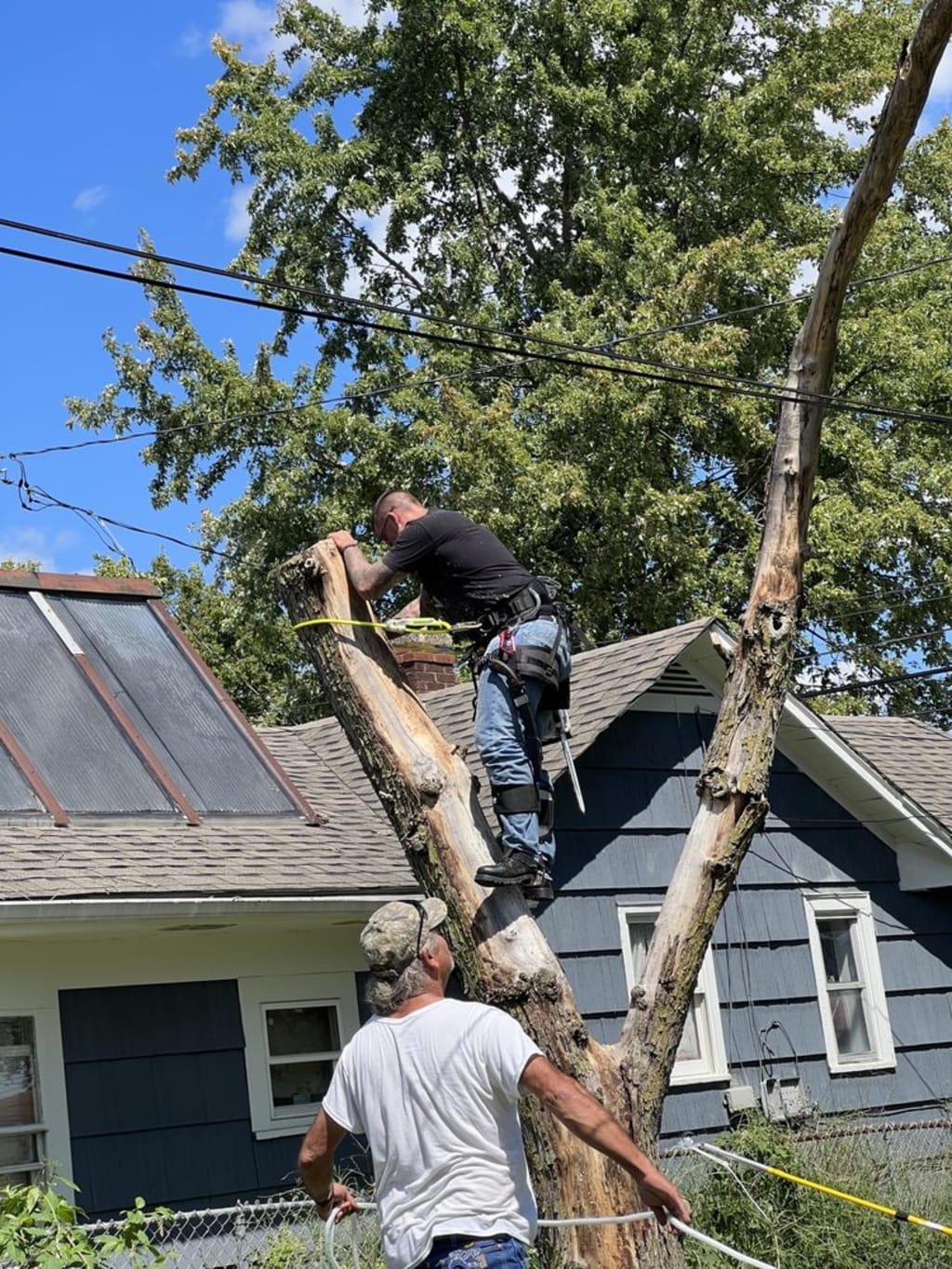
Introduction
When a towering tree in your yard has to be felled due to disease, safety concerns, or simply to make way for new landscaping, you're often left with a vestige of its existence - the tree stump. While tree stumps may seem harmless, they can be a nuisance in your garden or yard. They take up valuable space, hinder mowing, and can even become a safety hazard. Fortunately, there are several methods to rid your property of these stubborn stumps. In this comprehensive guide, we'll delve into the world of tree stump removal and explore various techniques and considerations.
Why Remove Tree Stumps?
Before we dive into the removal methods, it's important to understand why you might want to remove a tree stump:
• Aesthetics: Stumps can be an eyesore in an otherwise well-maintained landscape.
• Safety: Stumps can pose a tripping hazard for people, especially children and seniors.
• Space: Stumps consume valuable space that could be used for gardening or other purposes.
• Pest Attraction: Decaying stumps can attract pests like termites and ants.
Tree Stump Removal Methods
There are several methods to remove a tree stump, each with its advantages and drawbacks:
• Grinding
Stump grinding is one of the most common and efficient ways to remove tree stumps. A stump grinder is a powerful machine with a rotating cutting wheel that grinds the stump into small wood chips. This method is quick and leaves you with wood chips that can be used as mulch or removed.
• Digging
For smaller stumps or those in accessible locations, you can dig them out using a shovel, pickaxe, or other digging tools. This method is labor-intensive and may not be suitable for large stumps.
• Chemical Removal
Chemical stump removal involves using chemicals to speed up the decomposition of the stump. You drill holes into the stump, pour in the chemicals, and then cover the stump. Over time, the stump will decay, allowing for easier removal.
• Fire
Burning the stump is another option, but it's crucial to take safety precautions. Drill holes into the stump, fill them with kerosene, and let the stump burn slowly. Make sure to follow local regulations and have firefighting equipment on hand.
DIY vs. Professional Removal
Deciding whether to tackle stump removal on your own or hire a professional depends on several factors:
• Size of the stump: Small stumps may be manageable for a DIY approach, while large ones are often best left to professionals.
• Tools and equipment: Stump grinding and heavy digging may require specialized equipment that professionals have.
• Safety and experience: Removing stumps can be dangerous, and professionals are trained to handle these situations safely.
• Time and effort: DIY stump removal can be time-consuming and physically demanding, so consider if it's worth the effort.
Post-Removal Considerations
Once the stump is gone, you may want to consider:
• Filling the hole: If the removal method leaves a hole, fill it with topsoil and plant grass or flowers.
• Landscaping: Take this opportunity to redesign your landscape, knowing that the stump is no longer in the way.
• Stump reuse: Some people use creative stump ideas like turning them into planters or seats.
Conclusion
Tree stump removal may seem like a daunting task, but with the right method and approach, you can regain your garden's aesthetic and functionality. Consider your stump's size, location, and your own skills before deciding whether to take the DIY route or hire a professional. By following the tips and methods outlined in this guide, you'll be well on your way to a stump-free, beautiful landscape. So, roll up your sleeves, gather your tools, and say goodbye to that stubborn tree stump once and for all!
About the Creator
Keep reading
More stories from writers in Education and other communities.
Healing Through the Headset: How Virtual Reality Supports Mental Health
Virtual reality and mental health seem like an unusual pairing at first. One brings images of video games and digital adventures, while the other involves deep emotions and healing. But together, they create new ways to feel better and live well. Virtual reality, often called VR, is more than just entertainment. It offers people the chance to step into safe, calm places where healing can begin.
By Alex Kipman6 days ago in Education
Wheat Germ Oil and Its Role in Nutritional and Functional Applications
Wheat germ oil is a highly nutritious natural oil extracted from the germ of the wheat kernel. Although it represents only a small fraction of the wheat grain, the germ is the most nutrient-dense part, making wheat germ oil one of the richest sources of essential vitamins, antioxidants, and fatty acids. Over the years, wheat germ oil has gained significant attention across the food, cosmetic, pharmaceutical, and nutraceutical industries due to its health-promoting properties and versatile applications.
By Bobby Yadav5 days ago in Education
When True Love Never Questions Your Soul
“And she’s going to learn that this life will hit you, hard, in the face, wait for you to get back up, just so it can kick you in the stomach but getting the wind knocked out of you is the only way to remind your lungs how much they like the taste of air.” — Sarah Kay’s Poem — If I Should Have a Daughter
By Chantal Christie Weiss2 days ago in Humans
Book Review: Atmosphere by Taylor Jenkins Reid
I flipped the book over in my hands in the centre of the small airport book shop. Although I had heard promising reviews of Atmosphere by Taylor Jenkins Reid, I hesitated. The synopsis didn’t compel me - I wasn’t much of a space girly. In high school it made me cringe when my peers would talk about the stars.
By sleepy drafts7 days ago in BookClub




Comments
There are no comments for this story
Be the first to respond and start the conversation.