
Healing Through the Headset: How Virtual Reality Supports Mental Health
Exploring the Role of Virtual Reality and Mental Health in Building Calm, Safe, and Immersive Spaces


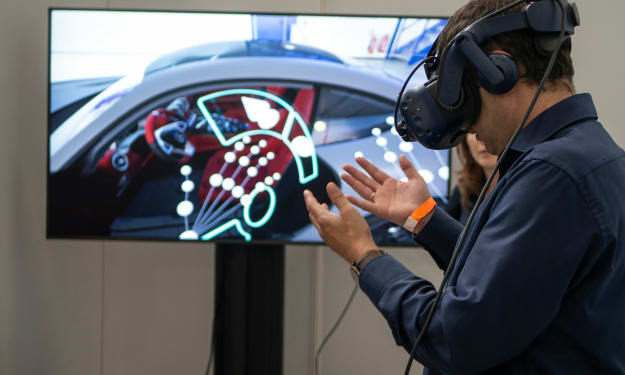
Virtual reality and mental health seem like an unusual pairing at first. One brings images of video games and digital adventures, while the other involves deep emotions and healing. But together, they create new ways to feel better and live well. Virtual reality, often called VR, is more than just entertainment. It offers people the chance to step into safe, calm places where healing can begin.
When used with care, VR becomes a tool for peace. People who struggle with stress, anxiety, or past trauma can benefit from these immersive spaces. VR helps by creating calming environments that feel real to the brain. Instead of imagining a quiet beach, you can visit one. Instead of picturing a safe room, you can step into one through a headset.
Safe Digital Worlds for Real-Life Challenges
People facing mental health struggles often feel overwhelmed by the world around them. Loud noises, busy streets, or even daily worries can become too much. Virtual reality and mental health support work together by giving people a space where they feel in control. In these digital worlds, they can explore without fear or pressure.
Therapists are now using VR in sessions to guide patients through stressful memories or fears. These sessions take place in virtual environments designed to feel both real and safe. The person can pause, explore, or repeat the session at their own pace. This control helps build confidence and reduce fear over time.
Helping with Stress and Anxiety in the Moment
Virtual reality and mental health tools can provide instant relief from stress and anxiety. When a person feels overwhelmed, they can put on a headset and be transported to a peaceful forest, a quiet garden, or even a softly lit room with relaxing music. These experiences calm the nervous system and slow down racing thoughts.
Because VR blocks out outside sounds and sights, it becomes easier for people to focus on their breathing or guided relaxation. The brain responds to these immersive experiences the same way it responds to real-world peace. This makes VR a powerful tool for self-care, even between therapy sessions or after a long day.
Overcoming Trauma with Gentle, Guided Exposure
Some mental health treatments use a method called exposure therapy. This is when a person slowly faces something that once caused fear, with help from a therapist. In the past, this was done using imagination or photos. Now, virtual reality and mental health approaches allow for full, yet controlled, exposure.
A person who fears flying, for example, can sit in a virtual airplane without leaving the ground. Someone healing from past violence can walk through a scene while knowing they are safe. These experiences help them slowly regain control over their reactions. With practice, the brain begins to feel less fear and more power.
Supporting People with Social Anxiety
Talking with others or being in public can feel impossible for some people. Virtual reality and mental health programs offer safe spaces to practice social situations. These virtual environments include a classroom, a grocery store, or even a simple conversation with a friendly face.
People with social anxiety can use these programs to rehearse everyday situations. Because the experience feels real, it helps the brain prepare for real-life moments. Over time, this practice builds courage. It becomes easier to try the same situations without the headset.
Personalized Healing That Feels Empowering
One of the best things about virtual reality and mental health working together is that the experience can be personal. Everyone’s path to healing is different. VR tools allow users to choose what they see, hear, and experience. This freedom helps people feel more in control of their mental health journey.
Instead of following a strict plan, users can try different environments until they find what works. Some may feel peace near a flowing stream. Others may enjoy walking through a sunny forest. Having choices helps people stay involved in their healing and rebuild trust in themselves.
A Bridge Between Technology and Human Care
It is important to remember that virtual reality is not a replacement for genuine human care. VR does not replace a trained therapist or a support system. However, it can be a strong bridge between visits. Virtual reality and mental health tools offer extra support when someone is alone or needs a break from the real world.
Used wisely, VR can become part of a larger care plan. It can help someone feel stronger, calmer, and more ready to talk about their feelings. When people feel supported in both digital and real spaces, they can move forward with more hope and energy.
A Future of Calm in Immersive Spaces
Virtual reality and mental health continue to grow together. As more people look for ways to support their emotional health, VR will continue to offer new tools. These tools are not just high-tech toys. They are carefully designed spaces where real healing can happen.
In the years to come, these immersive environments may become part of everyday mental care. Whether in a clinic, at home, or even in schools, VR has the power to change how we support mental health. By stepping into these virtual spaces, we may step closer to calm, balance, and true emotional wellness.
About the Creator
Alex Kipman
Alex Kipman is a technology innovator known for his work in mixed, augmented, and virtual reality, with achievements like Kinect and a vision to expand human connections through the metaverse.
Portfolio: https://alexkipman.com
Keep reading
More stories from Alex Kipman and writers in Education and other communities.
Virtual Reality and the Evolution of Remote Collaboration
Remote collaboration has become an essential part of professional life as organizations increasingly rely on distributed teams. While early remote work depended on email, messaging platforms, and video conferencing, these tools often lack the sense of shared presence found in physical workplaces. Virtual reality is now emerging as an advanced solution that addresses these limitations by creating immersive digital environments where professionals can collaborate more naturally and effectively.
By Alex Kipman8 days ago in Futurism
The Balanced Parent: Embracing Parenthood Without Losing Yourself
In today’s fast-paced society, the demands on parents have never been higher. From managing work deadlines to preparing meals and helping with homework, the modern parent juggles countless responsibilities daily. Amid all this, it’s easy to feel overwhelmed. Yet, being a hands-on parent is one of life’s most rewarding roles when approached with intention and heart.
By Alfonso Kennard8 days ago in Education
7 Latency Sources Inside Cloud Computing Request Paths
You click a button and wait. Then wait some more. That frustrating pause comes from latency hiding inside your cloud computing request path. Every millisecond counts when users expect instant responses from applications. Cloud infrastructure promises speed and reliability, but numerous bottlenecks slow down data travel between your device and distant servers.
By Judy Watson7 days ago in Education


Comments