
Uncovering the Key Skills and Qualities of an Outstanding Coach
Coaching is an incredibly important role in any field, whether it be in sports, business, or even personal growth.
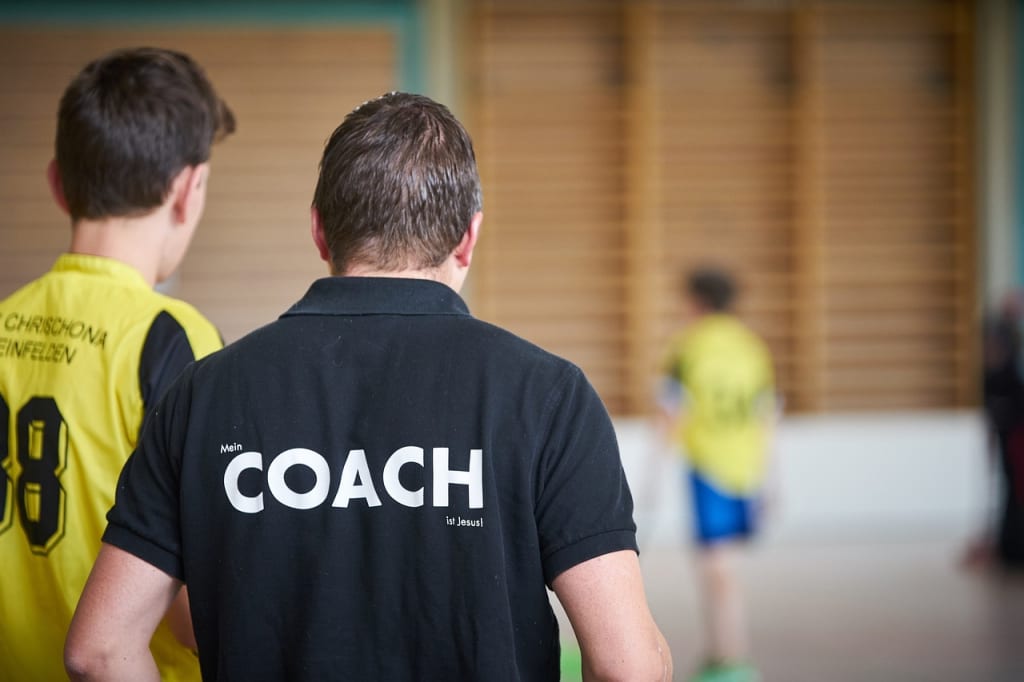
As a coach, you're often the first person your clients turn to when they need help. You have the opportunity to guide them through some of their most difficult experiences, and you need to be there for them—but how do you know if you're doing it right?
One way to gauge your effectiveness as a coach is by looking at the skills and qualities of an outstanding coach. By knowing what makes a great coach, you can better assess how well you're doing in your own practice—and then work on improving any areas where you may be lacking. It's also important to remember that there is no one right way to be a coach. You don't need to have all of these qualities, but if you notice that some are missing in your coaching practice, it could mean there's room for improvement.
Below, we've listed some of the most common key skills and qualities of an outstanding coach. If you're a coach and notice that these are missing from your practice, it may be time to step back and evaluate what you can do differently.
Examples of key coaching skills include:
Active listening
This involves fully paying attention to the client and really hearing what they are saying, rather than just waiting for a chance to respond. Active listening involves using nonverbal cues such as eye contact and nodding to show that you are engaged, and reflecting back on what the client has said to ensure understanding.
Ability to ask powerful questions
Great coaches ask questions that help the client think more deeply about their goals, challenges, and potential solutions. These questions may be open-ended, provocative, or thought-provoking, and they can help the client arrive at their own insights and conclusions.
Empathy and understanding
An outstanding coach should be able to understand and relate to the client's perspective, even if they don't fully agree with it. This involves showing compassion and understanding and being able to put oneself in the client's shoes.
Clear and effective communication
Great coaches are able to communicate effectively with their clients, using clear language and being direct when necessary. They are also able to adapt their communication style to meet the needs and preferences of their clients.
Adaptability and flexibility
An outstanding coach should be able to adapt to changing circumstances and be flexible in their approach. This may involve adjusting the coaching plan as needed to better meet the needs of the client, or being open to trying new strategies if something isn't working.
Examples of key coaching qualities include:
Genuine care for the well-being and success of their clients
An outstanding coach should genuinely care about the well-being and success of their clients and should be committed to helping them achieve their goals.
Ability to create a safe and supportive environment for growth
A great coach should create a safe and supportive environment in which the client feels comfortable exploring their thoughts, feelings, and goals. This may involve creating boundaries, maintaining confidentiality, and being nonjudgmental.
Confidence and credibility
Outstanding coaches should be confident in their abilities and have credibility in their field. This may involve having relevant education and experience and being able to demonstrate success in helping clients achieve their goals.
Ability to challenge clients in a constructive way
Great coaches are able to challenge their clients in a way that is supportive and helps them grow. This may involve pushing them out of their comfort zone or helping them see things from a different perspective.
Patience and persistence
An outstanding coach should be patient and persistent and should be able to stick with the client even when progress is slow or there are setbacks. This involves being able to maintain a positive attitude and helping the client stay motivated and focused on their goals.
In Conclusion,
It's important to remember that coaching is not just a job, it is a profession. Achieving success as a coach requires more than just personal qualities. A degree in coaching or a related field can provide the necessary knowledge and skills to become an outstanding coach. If you want to become an outstanding coach, it is important that you not only have these qualities but also be able to demonstrate them when working with clients. It is also important that you are passionate about helping others and want to make a difference in the world.
About the Creator
Bryan Smith
Bryan Smith is a content writer who helps companies tell their unique stories. An experienced writer who delivers content that solves problems for audiences.
Keep reading
More stories from Bryan Smith and writers in Education and other communities.
The Benefits of Pursuing a Master's in Coaching
As more people search for ways to improve their lives, coaching has become one of the most popular options. However, to become a professional coach, you’ll need more than just experience—you’ll also need to earn an accredited degree or certification. While there are a number of different options available, a master's in coaching can help prepare you for this rewarding career path by giving you the knowledge and skills necessary to become an effective coach and giving you many benefits that can help you advance your career.
By Bryan Smith3 years ago in Education
Leading Beyond Limits: The Role of Executive Leadership in Achieving Organizational Excellence
In today’s dynamic and competitive business landscape, organizations are constantly pursuing not just growth but excellence. While growth reflects success in the marketplace, true organizational excellence is measured by sustainability, innovation, culture, and impact. At the core of this transformation is executive leadership—a force that guides businesses beyond short-term wins toward long-term significance.
By Yeasha Sobhan6 days ago in Education
Silver Screen Magic with Mae West
American actress and singer Mae West became a popular film actress during the Great Depression. She started entertaining in vaudeville, then performed on Broadway, and finally went to Hollywood. She signed up with Paramount Pictures and made her debut in the 1932 film “Night After Night.” She also starred in musicals, comedies, and crime dramas. The American Film Institute named her one of the best classic Hollywood actresses.
By Rasma Raisters6 days ago in Geeks




Comments
There are no comments for this story
Be the first to respond and start the conversation.