
Trump’s Parcel Policy Sparks Global Disruption: Countries Halt Shipments to US After De Minimis Rule Ends
Trump’s Parcel Policy Sparks Global Disruption

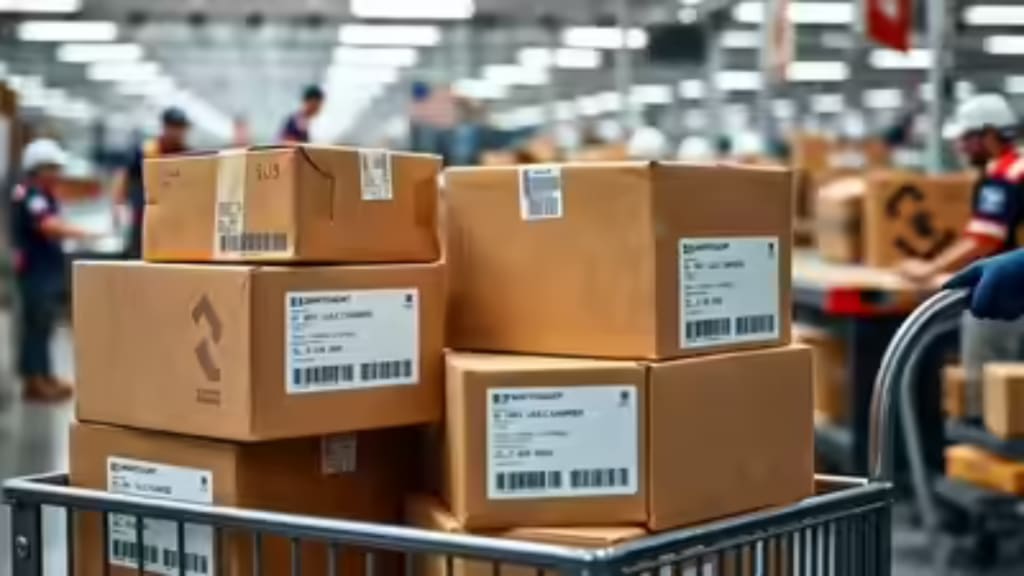
Trump’s Parcel Policy Sparks Global Disruption: Countries Halt Shipments to US After De Minimis Rule Ends
The worldwide parcel delivery system has been thrown into turmoil after the Trump administration scrapped the “de minimis” tariff exemption on August 26, 2025. This exemption earlier allowed imported goods worth up to $800 to enter the United States without paying customs duties.
With the new rule in place, every parcel entering the US, no matter how small its value, will now be taxed. Duties could range between $80 and $200 per package, depending on tariff rates.
The policy change, introduced to encourage domestic manufacturing and limit cheap foreign imports, has caused confusion across global postal networks. Many countries have temporarily stopped sending small parcels to the US. Small online sellers and businesses that depended on affordable shipping to America are now struggling to cope.
Below is a breakdown of the countries and regions that have paused or restricted shipments.
Australia
Australia Post announced on August 26 that it was suspending some of its postal services to the US and Puerto Rico. The postal operator said the decision was forced by sudden changes in US customs rules and the end of the de minimis exemption.
“We regret this step, but the rapidly changing situation has left us no choice. A temporary suspension is needed so we can develop a workable solution for our customers,” the company explained.
Australian e-commerce retailers also reported delivery delays and higher costs. The move, according to Australia Post, was in line with measures already taken by several postal operators worldwide.
Japan
Japan Post followed suit, announcing that from August 27, it would stop sending small parcels valued above $100 to the US.
Japan’s Economy Minister Ryosei Akazawa confirmed that alternative shipping options through private carriers remain available. Still, the suspension is expected to hit e-commerce businesses that rely on inexpensive deliveries.
Taiwan
Chunghwa Post, Taiwan’s postal authority, declared on August 26 that it would stop sending small packages to the US.
The agency said the global postal system currently has no mechanism to prepay customs duties, which has made compliance with the new American rules difficult. Furthermore, its partner carriers have also suspended merchandise mail to the US, worsening the disruption.
India
India’s postal service has also paused certain outbound shipments to the US. Officials pointed to uncertainties over the new tariffs and operational challenges in ensuring smooth customs clearance. This decision could particularly hurt Indian small businesses and artisans who rely heavily on US buyers through platforms like Etsy, Amazon, and eBay.
Thailand
Thailand Post joined the growing list by halting the delivery of certain parcels to the US, particularly low-value shipments. The agency blamed the removal of the de minimis exemption, which has made sending cheaper goods to America far more complicated and expensive.
South Korea
Korea Post has suspended some parcel services to the US. However, customers still have the option to send goods via private logistics companies like UPS and other global couriers.
New Zealand
New Zealand Post temporarily suspended some outbound mail services to the US. The postal authority cited uncertainty around customs procedures and the complexities of complying with the newly introduced tariff structure.
Hong Kong
Hongkong Post has gone further by stopping all surface mail services to the US immediately, and airmail deliveries from April 27. The postal authority described Washington’s policy shift as “bullying” tariff action. Businesses in Hong Kong, which already face challenges due to geopolitical tensions, are expected to feel additional strain.
Europe and DHL
Several European postal services have also joined the suspension wave. Logistics giant DHL announced it would no longer accept certain shipments to the US starting August 25.
The suspension mainly targets low-value parcels usually sent by small businesses and individuals. Large commercial exporters, however, may still rely on DHL’s alternative premium shipping options, albeit at higher costs.
Impact on Businesses and Consumers
The cancellation of the de minimis exemption is sending shockwaves across the global e-commerce industry.
Small businesses and artisans hit hardest – Many entrepreneurs in Asia, Europe, and Australia sell affordable products to American buyers. The new tariffs make their goods less competitive, as customers may now face higher delivery charges and import duties.
Postal networks under pressure – National postal operators are struggling to adapt, as the global system was never designed for senders to prepay customs duties for low-value goods. Until a new mechanism is established, disruptions are likely to continue.
Consumers in the US face higher costs – American buyers who regularly shop on international platforms will now see an increase in total costs. What was once a $20 item shipped duty-free might now cost nearly double after duties and handling fees.
Shift to private couriers – While many public postal operators have suspended services, private logistics firms such as UPS and FedEx continue to operate. However, their services are significantly more expensive, which may push sellers to raise prices or stop offering shipping to the US altogether.
Why Did the US Scrap De Minimis?
The Trump administration defended the policy by arguing it would help:
Protect US manufacturers from being undercut by cheap imports.
Reduce the flood of low-value goods entering the country without customs oversight.
Generate more revenue from imports.
However, critics argue that the policy was implemented too abruptly, without setting up an international system for handling duties in advance. The result has been a wave of confusion and suspension of services, disrupting millions of parcels that move across borders daily.
The Road Ahead
Experts believe the disruption may continue for weeks or even months. Postal operators worldwide are now scrambling to create systems that allow prepayment of customs duties before parcels leave the country. Until then, cross-border e-commerce will remain uncertain.
For businesses, the key challenge will be adapting to higher costs and finding ways to keep American customers engaged despite rising shipping fees. For consumers, the era of cheap online shopping from abroad may be over.
In short, the end of the de minimis exemption has created global postal chaos. From India to Australia, Japan to Europe, several nations have either halted or restricted parcel deliveries to the US. Unless a workable solution emerges soon, small businesses, online shoppers, and postal operators will continue to face a bumpy road ahead.
credit to : https://timesofindia.indiatimes.com/business/international-business/donald-trump-parcel-policy-chaos-from-india-to-australia-several-countries-pause-postal-shipments-to-us-after-de-minimis-rule-scrapped-check-full-list/articleshow/123539803.cms
About the Creator
Sunil Christian
find here all type of news
Keep reading
More stories from Sunil Christian and writers in Education and other communities.
Kilmar Abrego Garcia Detained by ICE After Release From Criminal Custody
Kilmar Abrego Garcia Detained by ICE After Release From Criminal Custody Kilmar Abrego Garcia, who was mistakenly deported earlier this year and later brought back to the United States, has once again been taken into immigration custody. His lawyer confirmed that he was detained on Monday morning after reporting for a scheduled check-in with Immigration and Customs Enforcement (ICE) at its Baltimore office.
By Sunil Christian5 months ago in Education
Turning a History Lesson Into an Escape Room Game
History is often taught through lectures, textbooks, and timelines — methods that can feel dry and distant. But what if students could experience history instead of just reading about it? One of the most engaging ways to do this is by transforming a history lesson into an escape room game. This interactive approach combines problem-solving, teamwork, and storytelling to make history memorable and exciting.
By Games Mode Onabout 5 hours ago in Education
What to Eat (And Avoid) During Colon Cancer Treatment: A Nutritionist-Approved Guide
When undergoing colon cancer treatment, your diet is more important than ever. The right nutrition can support your immune system, reduce side effects, and even enhance the effectiveness of treatments like chemotherapy and radiation. But knowing what to eat and what to avoid can be overwhelming.
By Erika Phillips 7 days ago in Education



Comments
There are no comments for this story
Be the first to respond and start the conversation.