
Top Risks in Digital Asset Investing and How to Hedge Against Them?
Navigating the Risks: Strategies to Safeguard Your Digital Asset Investments
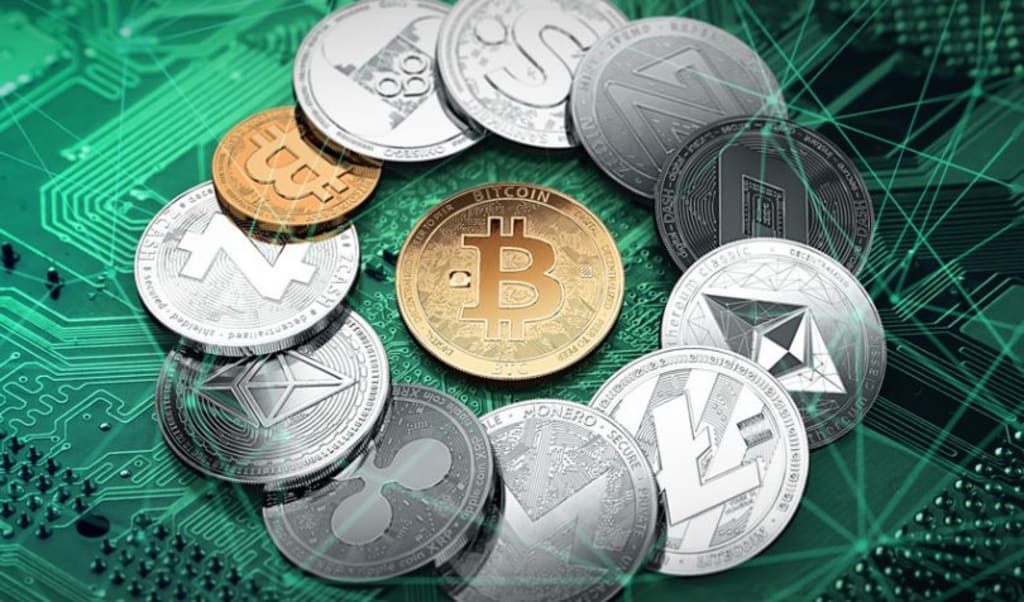
Digital asset investing has surged in popularity over the last few years. Cryptocurrencies, NFTs, and tokenized assets have become key components of modern portfolios. However, with these new opportunities come new risks. Unlike traditional investments, digital assets come with unique challenges that investors must be aware of to protect their investments and maximize returns. Understanding these risks and how to hedge against them is essential for anyone entering the world of digital asset investing.
The attraction to digital assets lies in their potential for high returns. Cryptocurrencies like Bitcoin and Ethereum have generated significant interest from both retail and institutional investors. On top of this, the growth of decentralized finance (DeFi), non-fungible tokens (NFTs), and even new crypto presale platforms has opened up new avenues for investment. But just as with any investment, understanding the risks involved is key to managing them effectively.
Market Volatility
One of the most significant risks in digital asset investing is market volatility. Cryptocurrencies, in particular, are known for their extreme price fluctuations. It’s not uncommon to see the price of Bitcoin drop by thousands of dollars in a single day, or an altcoin surge dramatically in value. This level of unpredictability can be nerve-wracking for investors, especially those accustomed to more stable markets like stocks or bonds.
To hedge against market volatility, investors can use several strategies. Diversification is one of the most effective ways to reduce risk. By spreading investments across different digital assets—such as Bitcoin, Ethereum, and some stablecoins—investors can offset the risk of a sudden crash in any one particular asset. Additionally, stablecoins, like USDT (Tether) or USDC, are pegged to the value of traditional currencies and are less likely to experience extreme price swings. Keeping a portion of your portfolio in stablecoins can help mitigate the overall risk while maintaining exposure to the digital asset market.
Another risk management tactic is dollar-cost averaging (DCA). This strategy involves investing a fixed amount of money into a particular asset at regular intervals, regardless of its price. By consistently buying over time, you can avoid the stress of timing the market and reduce the impact of short-term volatility.
Security Threats and Hacking
Security risks are another significant concern when it comes to digital asset investing. The decentralized nature of cryptocurrencies means there is no central authority to protect investors. Crypto exchanges and wallets can be vulnerable to hacking, and many investors have lost their funds due to security breaches. High-profile hacking incidents, like the Mt. Gox exchange collapse or the recent string of DeFi hacks, have highlighted the importance of securing digital assets.
To protect against security risks, investors must take steps to secure their assets. One of the most effective ways is to use cold storage wallets. Unlike hot wallets, which are connected to the internet, cold wallets are offline and therefore much less vulnerable to hacking. Hardware wallets like Ledger and Trezor are popular options for safely storing cryptocurrencies.
Additionally, enabling two-factor authentication (2FA) on exchanges and wallets provides an extra layer of protection. By requiring a second verification step, even if someone obtains your login credentials, they won’t be able to access your funds without the second factor.
It's also essential to stay cautious when choosing exchanges and platforms. Always do thorough research before using a new service, and ensure it has a strong reputation for security. Some newer platforms, like a crypto presale platform, may offer exciting investment opportunities but could be less secure or less established than larger exchanges. Make sure to evaluate the platform’s security measures and user reviews before committing your funds.
Regulatory Risk
The regulatory environment for digital assets is still developing. Governments around the world are grappling with how to regulate cryptocurrencies, NFTs, and other blockchain-based assets. The uncertainty surrounding digital asset regulations can pose a significant risk for investors. New regulations could affect the value of digital assets, restrict trading, or even ban certain types of investments altogether.
To hedge against regulatory risk, investors should stay informed about the legal landscape in their region. Understanding the regulations regarding taxes, trading, and digital asset ownership is crucial for long-term success. Some investors may choose to consult with financial advisors who specialize in digital assets to ensure they remain compliant with any changes in the law.
Another strategy is geographic diversification. Some countries are more favorable toward digital asset investments than others. By spreading investments across different jurisdictions, investors can reduce the risk of being negatively impacted by regulatory changes in any one country.
Market Manipulation
Market manipulation is another risk unique to digital asset investing. Because the market is still relatively young and decentralized, it can be vulnerable to manipulation by large investors or groups. “Whale” investors—those who control large amounts of a particular asset—can move the market by making large buy or sell orders, leading to price swings that don’t necessarily reflect the true value of the asset.
To protect against market manipulation, it’s important to research assets before investing. This includes understanding the liquidity and market cap of the asset, as well as how widely it’s distributed. Investing in well-established cryptocurrencies like Bitcoin and Ethereum can help reduce the risk of manipulation since they have larger and more distributed markets.
Investors can also be cautious about hype-driven assets that are heavily promoted in social media or on crypto presale platforms. While these assets may seem like an exciting investment opportunity, they can also be prone to pump-and-dump schemes, where the price is artificially inflated before a sharp decline. Avoiding assets with low liquidity and understanding the broader market dynamics can help safeguard against manipulation.
Technological Risk
The technology behind digital assets is still evolving. Blockchain, while revolutionary, is not immune to bugs, vulnerabilities, or unforeseen issues. New protocols and updates may not always work as expected, leading to potential losses. For example, the Ethereum network has undergone multiple upgrades, and while many of these upgrades have been successful, they come with their own risks.
To hedge against technological risk, investors should focus on well-established digital assets that have a proven track record. Bitcoin and Ethereum, for example, have been operating successfully for over a decade and have undergone rigorous testing and updates. Additionally, staying informed about any upcoming network upgrades or changes can help investors prepare for any potential risks.
It’s also important to consider the development teams behind the assets. A strong, transparent, and active development team is often a good sign that the asset will continue to evolve and improve over time. Always look for projects with clear roadmaps, open-source code, and active community engagement.
Hedging Against Digital Asset Investment Risks
While digital asset investing carries significant risks, there are many strategies that can help mitigate those risks. By diversifying your portfolio, using secure storage options, staying informed about regulations, and carefully researching assets, you can reduce the likelihood of major losses. Remember that digital asset markets are still in their infancy and will continue to evolve. A careful and informed approach will help you navigate these risks and build a more secure investment strategy for the future.
Final Thoughts on Risk Management in Digital Asset Investing
Digital asset investing offers unique opportunities for wealth creation, but it is not without its risks. By understanding the key risks—such as market volatility, security threats, regulatory changes, market manipulation, and technological challenges—investors can take steps to protect their investments. Through diversification, secure storage, regular research, and careful selection of platforms and assets, you can hedge against these risks and maximize your chances of success in the world of digital asset investing.
About the Creator
Keep reading
More stories from Princess Xiaou and writers in Education and other communities.
Turning Privacy into Participation: A Human-Centered Vision for AI Infrastructure
Imagine being part of something big—not by sharing your entire digital life, but by contributing in small, secure ways that still matter. Picture a system that blends cryptographic certainty with real-time impact, all while keeping your identity protected. That’s the story unfolding behind an ecosystem built to power decentralized intelligence—where every participant plays a real role, safely and meaningfully.
By Princess Xiaou4 months ago in Proof
Why Great Customer Service Is Non-Negotiable for Modern Businesses
Excellent customer service is no longer something businesses can choose to offer later. It is a basic requirement in today’s fast-moving market. Customers expect respect, clear communication, and fast solutions. When they do not get these things, they leave. This is why excellent customer service is non-negotiable for businesses that want to survive and grow.
By Apex Service Partners5 days ago in Education


Comments