
Top Jobs You Can Get After Completing Your Phlebotomy Training
Explore top career path after completing phlebotomy training in Birmingham
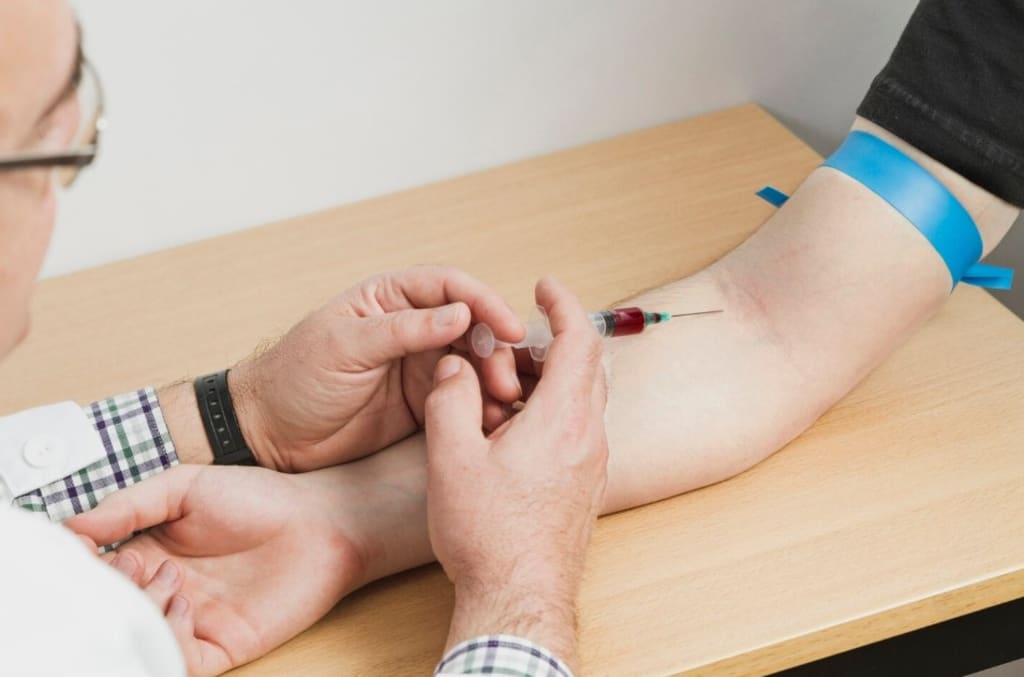
Completing phlebotomy training opens doors to a variety of career paths within the growing healthcare sector. As frontline healthcare professionals, phlebotomists are trained to draw blood safely and accurately for diagnostic testing—a vital component in nearly every branch of medicine. If you're considering a career in healthcare that’s practical, patient-facing, and in high demand, phlebotomy is an excellent starting point.
In this article, we’ll explore the top jobs available after completing phlebotomy training and explain why this field offers so many rewarding opportunities.
1. Phlebotomy Technician
The most direct and common career path is becoming a Phlebotomy Technician. These healthcare professionals are trained to draw blood from patients for laboratory testing, transfusions, or research purposes. They are often employed in hospitals, GP surgeries, private clinics, and diagnostic labs.
A good phlebotomist must possess excellent communication skills, attention to detail, and a steady hand. As diagnostic testing increases across the UK, the demand for qualified phlebotomy technicians continues to rise.
If you're based in the West Midlands, completing your phlebotomy training in Birmingham offers access to major healthcare employers, including NHS Trusts and private labs.
2. Mobile Phlebotomist
If you prefer variety in your daily routine, working as a mobile phlebotomist could be ideal. These professionals travel to patients’ homes, care homes, or workplaces to collect blood samples—often serving individuals who cannot travel easily to clinics or hospitals.
Mobile phlebotomists are employed by private healthcare agencies, life insurance companies, or diagnostic service providers. The flexibility of this role makes it popular for those seeking part-time work or a more independent working style.
3. Blood Bank Technician
Blood bank technicians play a critical role in the safe collection, storage, and processing of donated blood. After phlebotomy training, you can work in blood donation centres, hospitals, or with national organisations such as NHS Blood and Transplant.
This career is highly fulfilling—knowing that your skills directly contribute to saving lives. Blood bank technicians must follow strict hygiene protocols and documentation processes to ensure each donation is handled safely and ethically.
4. Healthcare Assistant (HCA) with Phlebotomy Skills
Healthcare Assistants support nurses and doctors in delivering care to patients, including tasks like checking vital signs, assisting with mobility, and offering emotional support. Adding phlebotomy to your skillset increases your value in this role.
HCAs with phlebotomy training are often preferred in GP practices and community health settings, where efficient blood collection is a key part of the patient pathway. This dual-skill approach enhances your career progression and employability in both public and private sectors.
5. Laboratory Assistant
Phlebotomy training can also lead to work in a laboratory setting. As a lab assistant, you'll help with the processing, labeling, and storage of samples, as well as basic equipment maintenance. This behind-the-scenes role is essential for accurate diagnoses and research outcomes.
Working in a lab often suits individuals who are detail-oriented, organised, and interested in the scientific side of medicine. Many people use this role as a stepping stone toward more advanced lab-based careers or scientific qualifications.
6. Phlebotomy Trainer
If you gain experience and enjoy mentoring others, becoming a phlebotomy trainer is a natural progression. Trainers work for healthcare providers, colleges, or private training organisations to deliver courses and practical workshops.
As a phlebotomy trainer, you'll teach proper blood collection techniques, hygiene standards, and safety protocols. It’s a fulfilling role that allows you to contribute to the future of healthcare while enjoying job stability and professional respect.
Why Start Your Journey in Phlebotomy?
Phlebotomy is more than just drawing blood—it requires precision, professionalism, and empathy. Phlebotomists are often the first point of contact in a clinical setting, which makes interpersonal skills equally as important as technical ability. For those aspiring to get started, join phlebotomy training Birmingham and equip yourself with the expertise needed to thrive in this field.
This career suits people who:
Enjoy hands-on medical work
Want to enter healthcare quickly
Prefer a role with both structure and interaction
Seek steady, in-demand employment
For those seeking entry-level access to the healthcare field, phlebotomy training offers a direct path to employment with options to progress into other roles over time. Whether you plan to stay in phlebotomy or move into nursing, laboratory science, or health education, the skills you gain are universally respected.
Many learners choose to complete a basic level 1 maths online course alongside phlebotomy training, as numerical skills are important for dosage measurements, documentation, and quality control in medical settings.
Final Thoughts
Phlebotomy training does more than prepare you for a job—it opens the door to a broad and meaningful career in healthcare. From working in hospitals and labs to becoming a trainer or specialist technician, the opportunities are diverse and in constant demand.
By completing phlebotomy training in Birmingham or another UK hub, you set yourself up for success in a career that combines technical skill with human connection. Whether you're looking to enter the workforce quickly or build a foundation for further medical study, phlebotomy offers a smart and secure first step.
About the Creator
How to Identify Rare 2021 American Silver Eagles: A Collector's Guide
What Changed Type 1: The classic design by John Mercanti features a heraldic eagle with arrows and an olive branch beneath 13 stars. Type 2: Introduced mid-year, Emily Damstra’s new reverse shows a bald eagle landing on an oak branch—symbolizing renewal and strength. Obverse update: Adolph A. Weinman’s original “Walking Liberty” design was refined, with sharper details and the artist’s initials (“AW”) added beneath In God We Trust.
By Laura Bennett7 days ago in Education
How Early Hustle Jobs Build Lifelong Skills and Confidence
Early hustle jobs often begin as simple ways to earn extra money, but their long-term impact is far greater than most people recognize. Whether someone starts by babysitting, mowing lawns, working retail, or serving tables, these early experiences develop foundational skills that shape personal and professional success for decades.
By David Lipan3 days ago in Education



Comments
There are no comments for this story
Be the first to respond and start the conversation.